
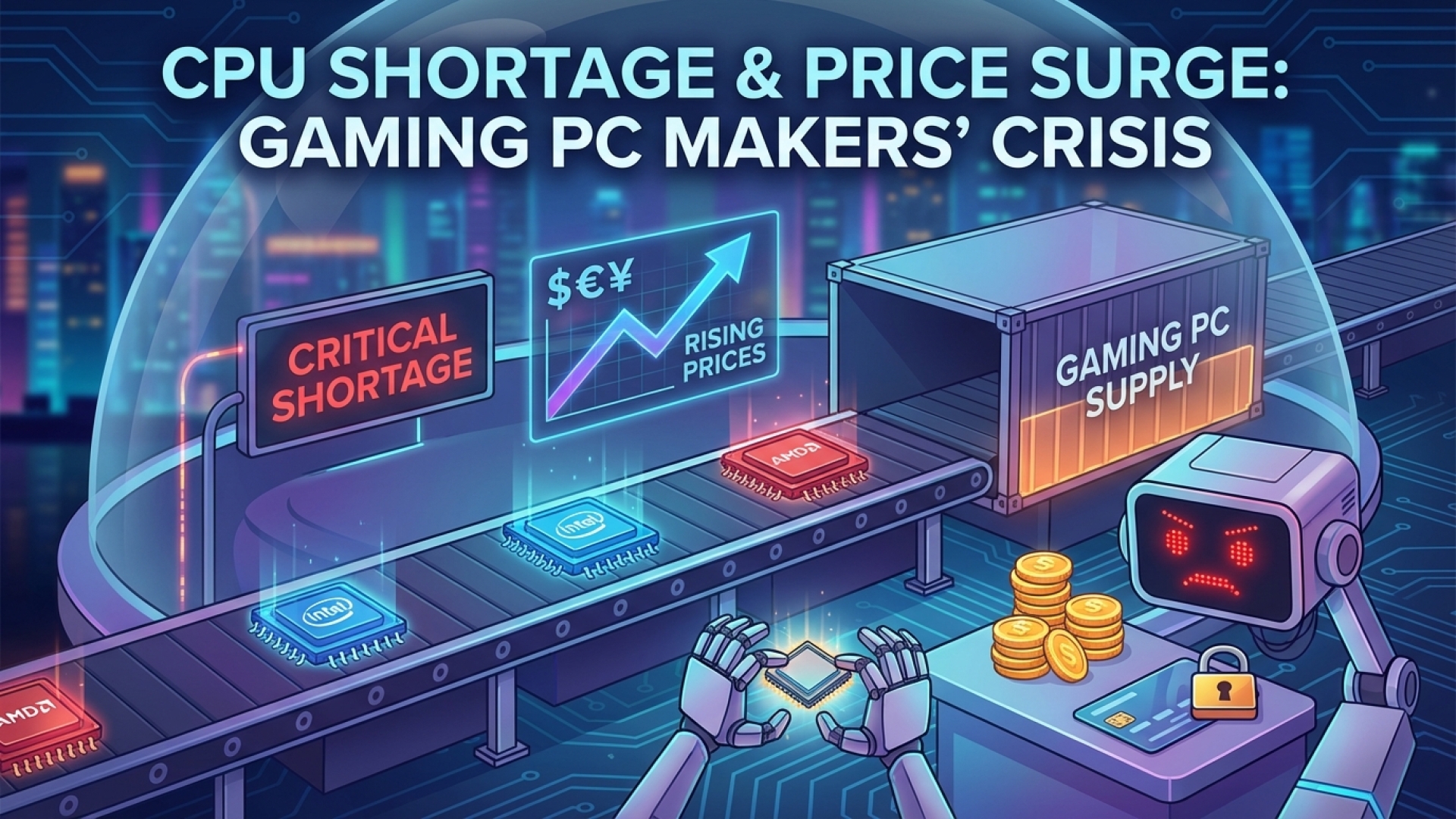
At Digital Tech Explorer, we’ve been tracking the volatile pulse of the hardware market closely. A new narrative is unfolding that confirms our previous concerns: CPUs are rapidly becoming the next bottleneck in the global supply chain. This isn’t just speculation; at least two major gaming PC manufacturers have raised the red flag, signaling a supply crisis that could reshape the landscape for builders and developers alike.
The Growing Supply Crunch: By the Numbers
According to recent industry data from Nikkei Asia, a substantial supply crunch is gripping both the consumer PC and enterprise server CPU markets. For those of us looking to upgrade our rigs or deploy new hardware, the financial impact is already visible. We are seeing average price hikes of 10% to 15% across various models, with some specialized chips seeing even steeper climbs.
The manufacturing giants, Intel and AMD, have reportedly notified their partners of widespread price adjustments scheduled to take effect throughout the spring. To help you visualize the severity of this shift, our team has broken down the current lead-time escalations below:
| Market Metric | Standard Lead Time | Current Projected Lead Time |
|---|---|---|
| Standard CPU Orders | 1 – 2 Weeks | 8 – 12 Weeks |
| High-Demand/Specialized Chips | 2 – 4 Weeks | Up to 6 Months |
| Average Pricing | Baseline MSRP | +10% to +15% Increase |
Industry Leaders Sound the Alarm
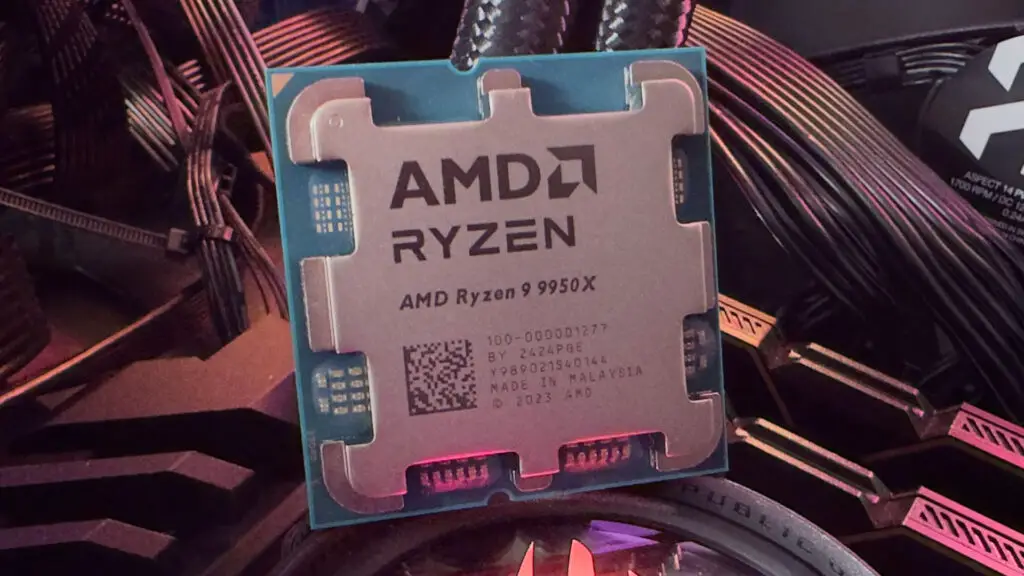
As a storyteller in the tech space, I find the perspective of industry insiders often reveals the “why” behind the numbers. An executive from a prominent gaming PC firm expressed deep concern regarding the April-June quarter. The trend is clear: Intel and AMD are shifting their limited production capacity toward high-margin server CPUs, leaving the consumer PC segment in the lurch.
Jose Liao, General Manager at Asus, corroborated this sentiment. His insights suggest that mid-range x86 chips—the “sweet spot” for most of our readers—will bear the brunt of this shortage. As Intel focuses on high-end silicon to maximize yields, the mid-range gap is widening, creating a scarcity that even a higher budget might not be able to solve.
The AI Factor: Why Scarcity is Accelerating
The primary catalyst for this scarcity is the “surging” demand for AI acceleration. The explosion of machine learning and large language models requires massive computing power, diverting manufacturing focus away from traditional consumer markets.
This is further complicated by physical manufacturing constraints. Intel is currently navigating yield challenges at its proprietary fabs, while AMD’s output remains capped by the available capacity of its manufacturing partner, TSMC. When global demand for AI-capable hardware meets these manufacturing ceilings, the enthusiast market is usually the first to feel the squeeze.
New Product Launches vs. Market Reality
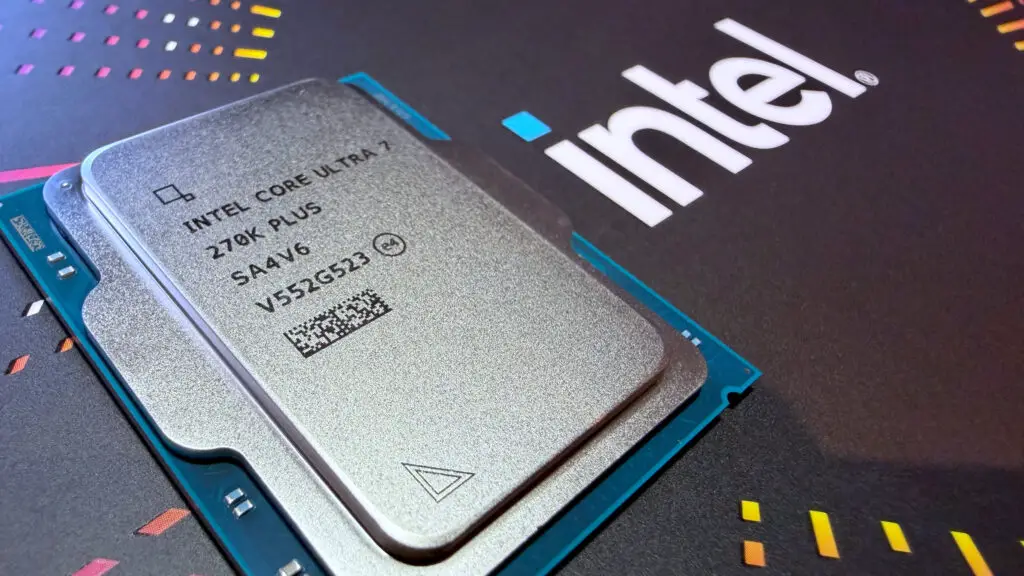
In a move that feels somewhat paradoxical, this supply news arrives just as Intel launched its latest desktop offerings: the Intel Core Ultra 7 270K Plus and the Intel Core Ultra 5 250K Plus. With launch prices positioned at $299 and $199 respectively, these chips represent excellent value—at least on paper.
As we move deeper into the year, the big question for the Digital Tech Explorer community is whether these MSRPs can withstand market pressure. If lead times continue to stretch into months rather than weeks, we expect retail prices to detach from manufacturer suggestions quickly. For developers and tech enthusiasts planning their next build, the window for “standard” pricing may be closing faster than expected.
Stay tuned to Digital Tech Explorer as we continue to monitor these trends and provide you with the data you need to stay ahead of the curve.