
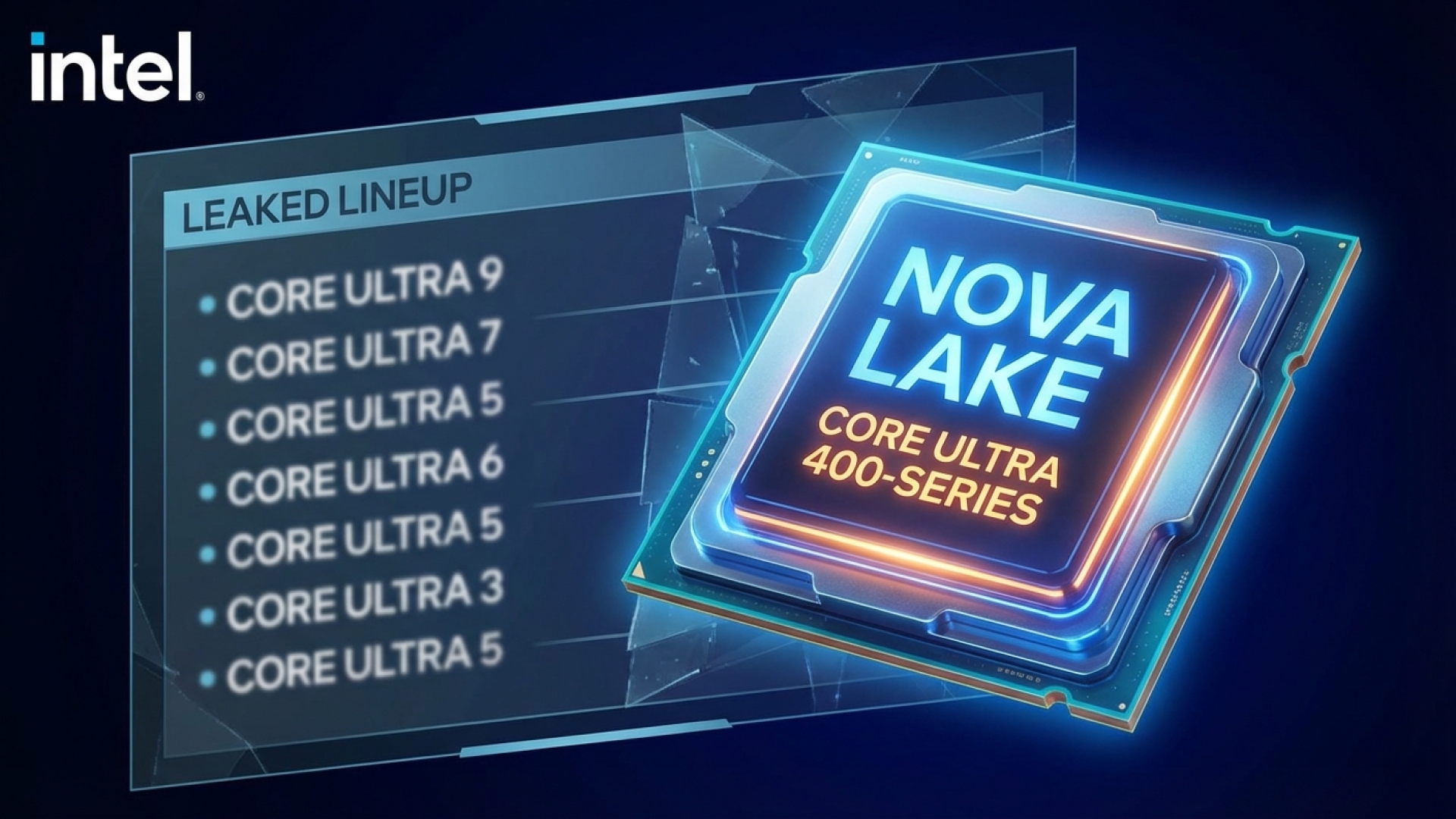
You can always tell when a seismic shift in the hardware landscape is approaching. As the launch window draws near, the trickle of leaks transforms into a flood of detailed roadmaps. This is exactly what we’re seeing with Intel’s Nova Lake chips. The latest intel gives us a comprehensive look at the upcoming Core Ultra 400-series processors, and for those of us tracking 2024 releases and beyond, the specs are nothing short of intriguing.
According to reports from Videocardz, a new roadmap for NVL-S (the next generation of desktop silicon) identifies these as the Core Ultra 400S. While rumors have been swirling for months, seeing the full range of SKUs tied together offers a clearer picture of how Intel intends to reclaim its dominance in both productivity and gaming.
Breaking Down the Core Ultra 400S Lineup
Following the blueprint of the current Arrow Lake (ARL-S) architecture, the Nova Lake family will be segmented to meet various thermal and performance needs. We can expect the standard 125W “K” series for enthusiasts, alongside 65W and 35W models designed for mainstream office builds and embedded systems. For the power users and developers who frequent Digital Tech Explorer, the focus remains on the Core Ultra 9, 7, and 5 tiers.
| Processor Tier | P-Cores (Coyote Cove) | E-Cores (Arctic Wolf) | Low Power E-Cores (LPE) |
|---|---|---|---|
| Core Ultra 9 | 9 | 16 | 4 |
| Core Ultra 7 | 9 | 12 | 4 |
| Core Ultra 5 | 7 | 12 | 4 |
At the top of the stack, the 9-class models feature a unique 9-core configuration for the P-cores, paired with 16 Arctic Wolf E-cores. Stepping down to the 7-class results in a reduction of four E-cores, while the 5-class further trims the P-core count to seven.

Intel’s “bLLC” vs. AMD’s X3D: The Cache Wars
The most compelling part of this leak involves the bLLC variants. These chips are widely viewed as Intel’s direct response to AMD’s highly successful X3D processors. The “bLLC” (Big Last Level Cache) is rumored to be a massive slab of memory, potentially reaching up to 144 MB.
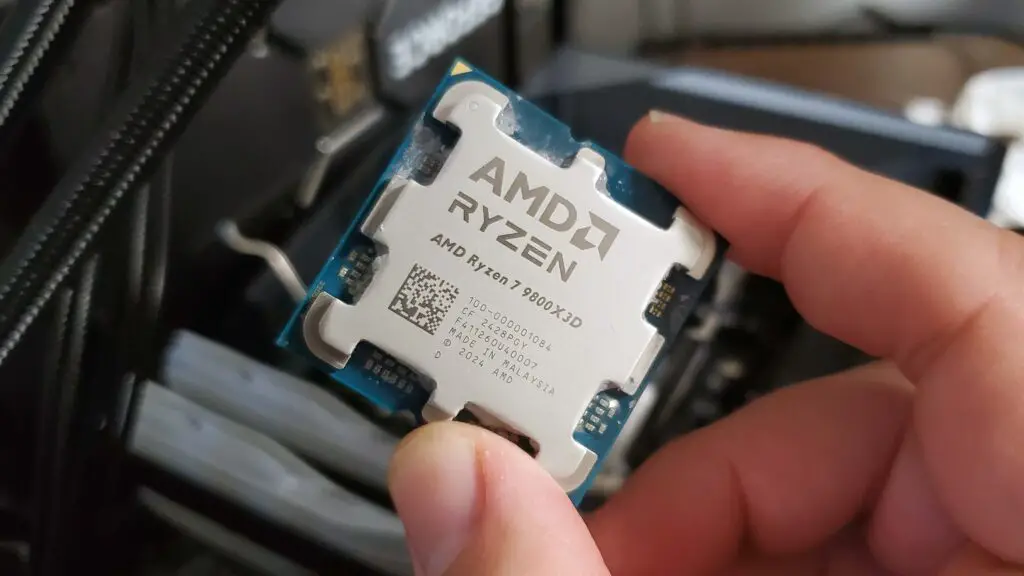
To put that into perspective, the 3D V-Cache on the Ryzen 7 9800X3D sits at 64 MB. If Intel can successfully integrate such a massive cache without sacrificing clock speeds, they may finally bridge the gap in gaming performance where AMD has recently held the crown.
The Return of the X-Series?
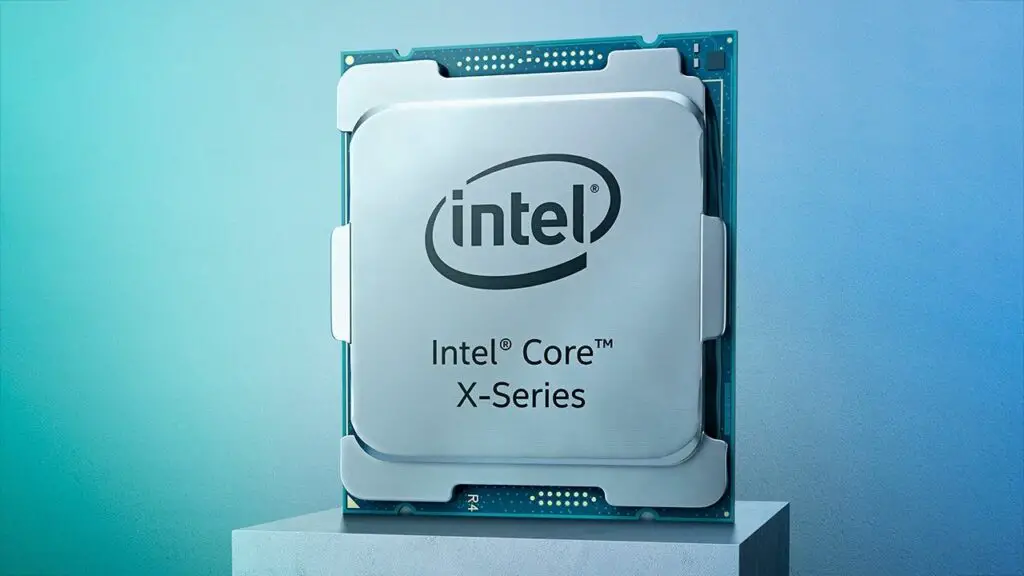
There is also chatter regarding “dual compute tile” models. Interestingly, the leaked roadmap doesn’t assign a traditional “Core Ultra” brand name to the 44-core and 52-core variants. This has led to speculation that Intel might revive its X-series branding—a nameplate last seen in the HEDT (High-End Desktop) market with legends like the Core i9-10980XE.
These massive chips would likely target workstations and professional developers who need more threads than a standard consumer CPU but aren’t ready to jump to a full-scale Xeon server rack. While PC games don’t typically utilize 52 cores, the multitasking potential for compiling code or rendering 3D gaming assets would be immense.
Next-Gen Connectivity
Connectivity also gets a significant bump. While the Core Ultra 400-series will maintain 24 PCIe lanes (similar to Arrow Lake), it is expected to debut with Thunderbolt 5 support. This move brings 120 Gbps transfer speeds and up to 240W of charging capability, making it a dream for users with high-speed external storage or external GPU setups.
As always in the world of tech storytelling, until Intel officially takes the stage, these details remain in the realm of high-probability rumors. We’re still waiting for official word on clock speeds and pricing, but Nova Lake is already shaping up to be a pivotal chapter in Intel’s history. Stay tuned to Digital Tech Explorer as we continue to track these developments.
Affiliate Disclaimer: Some of the links on Digital Tech Explorer are affiliate links. This means we may earn a commission if you click through and make a purchase, at no additional cost to you. Our recommendations are based on thorough research and personal experience. All content is for informational and entertainment purposes only.