
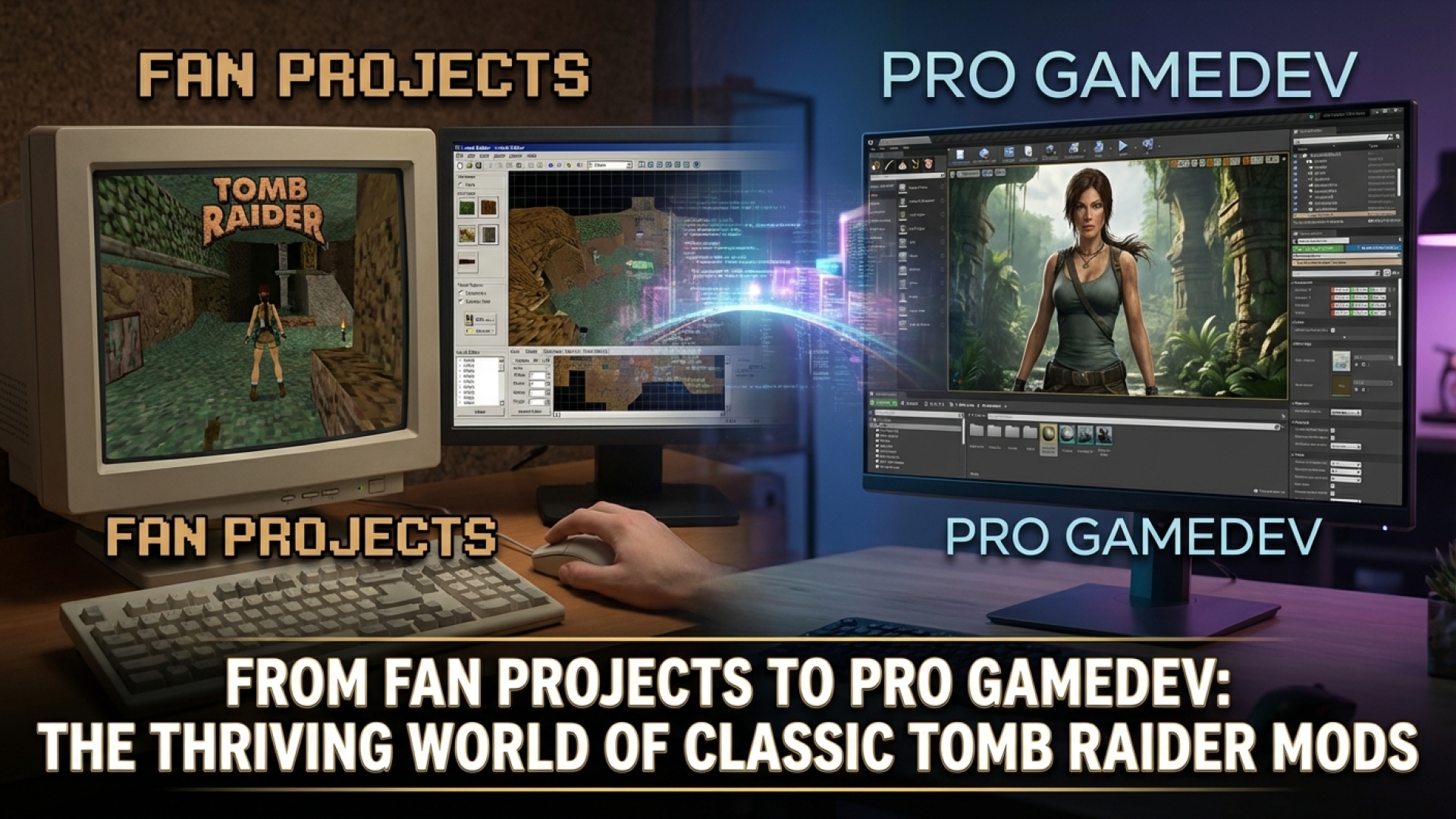
In 2013, while the gaming world was focused on the modern reboot of Lara Croft, Axel Hatté was looking backward to move forward. He embarked on a journey to build custom levels for a PC game over a decade old. Inspired by the level editor bundled with 2000’s Tomb Raider: Chronicles, Hatté’s deep dive into 3D design led him to the vibrant Tomb Raider mapping community. This dedicated group of fans has spent decades crafting new adventures for the classic Core Design engine, proving that legacy software still holds immense creative potential.
At Digital Tech Explorer, we often see how community-driven innovation bridges the gap between hobbyist coding and professional software engineering. For Hatté, this discovery was a pivotal moment that eventually paved his way into the games industry. “I cannot imagine I would have built anything concrete without this community,” he shares, highlighting the collaborative power of digital enthusiasts.
The Evolution of Tomb Raider Level Editors
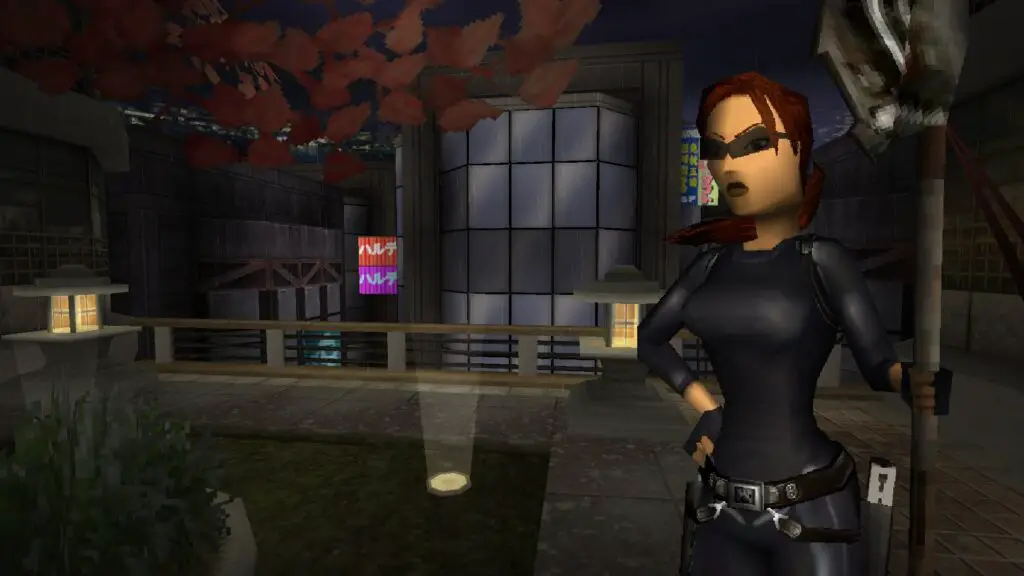
The original Tomb Raider titles from the ’90s are often remembered for their rigid grid-based movement and challenging mechanics. However, this structure actually provided a perfect foundation for a robust modding scene. Much like the communities surrounding Quake or Half-Life, Tomb Raider fans sought to expand upon original concepts by enhancing outdated creation tools to enable builds that were technically impossible in the 1990s.
The technical history of this scene is a testament to the evolution of fan-made software. Early levels emerged via a user-created toolkit by modder Turbo Pascal before the official Tomb Raider Level Editor (TRLE) was ever released. To help our readers understand the technical progression of these tools, we have summarized the key milestones in the table below:
| Editor/Tool | Release Era | Key Capabilities |
|---|---|---|
| Turbo Pascal Toolkit | Late 90s | First unofficial tool; allowed basic editing for TR1, 2, and 3. |
| Official TRLE | 2000 | Based on the TR4 engine; became the industry standard for fans. |
| Tomb Editor | 2017 – Present | Modern, open-source editor; supports all classic engines with advanced UI. |
The release of Tomb Editor in 2017 was a watershed moment. As an actively developed modern tool, it allowed builders to bypass the limitations of the original TR4 engine, offering a streamlined workflow comparable to contemporary hardware-intensive development suites.
Key Platforms and Notable Fan Projects
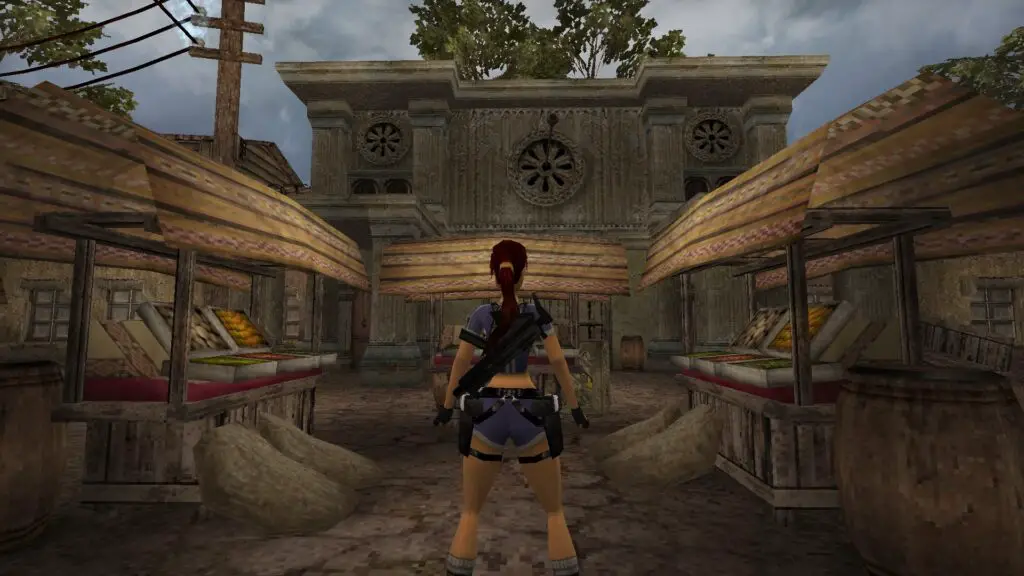
For decades, trle.net served as the primary repository for custom maps. In 2022, a new generation of creators established TRCustoms as a more modern, data-driven alternative. According to Klona, a TRCustoms administrator, the goal was to provide a more intuitive experience for managing the nearly 4,000 custom levels currently available to the public.
These creations push the classic engine to its limits. Notable projects include:
- Himalayan Mysteries: A survival-focused narrative depicting a young Lara Croft in a plane crash scenario.
- Enterprise: A technical marvel that reimagines the iconic Star Trek spaceship within the Tomb Raider engine.
- Curse of Camazots: A recent masterpiece by veteran designer BradTRe, showcasing advanced scripting and environmental flow.
From Modder to Industry Professional
At Digital Tech Explorer, we frequently highlight how personal projects can serve as a portfolio for career advancement. Axel Hatté is the perfect example of this trajectory. In 2023, his deep technical knowledge of the legacy Tomb Raider engines caught the attention of Saber Interactive.
Despite lacking a traditional professional portfolio, his unofficial work on the Tomb Raider: Legend demake proved his expertise. He was hired as an environment artist to work on the Tomb Raider 4-6 Remastered project. “My role was specifically to work on the environments and remaster the textures,” Hatté shares, describing the transition from fan to developer as a “life-changing experience.”
The Future of Lara Croft and Classic Gameplay
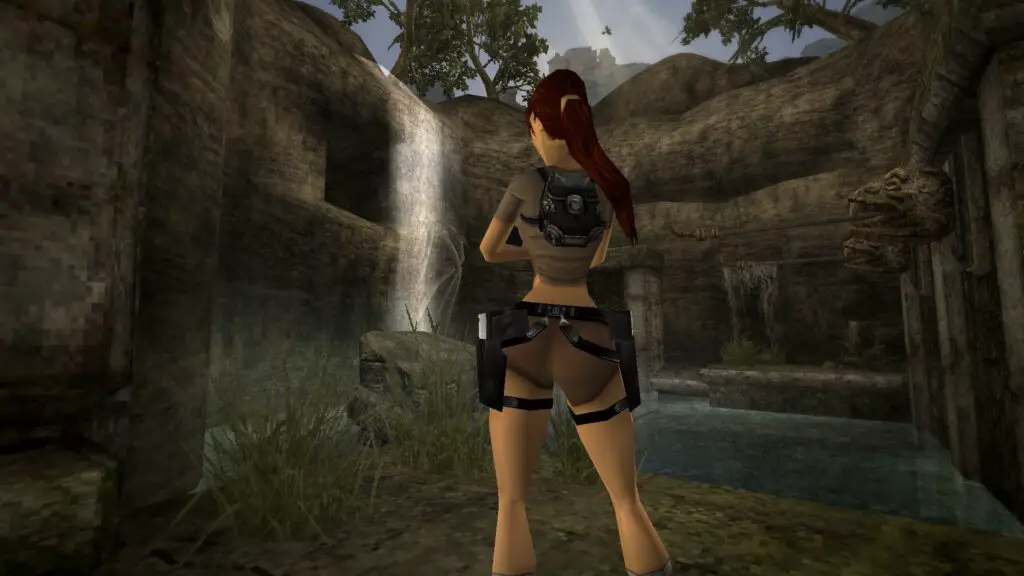
While the franchise saw a hiatus after 2018’s Shadow of the Tomb Raider, the announcement of two new adventures by Crystal Dynamics has revitalized the community. These upcoming projects—a reimagining of the original and a sequel to Tomb Raider: Underworld—suggest a return to the series’ roots.
The mapping community remains hopeful that these new entries will honor the “environmental puzzle” philosophy that made the originals stand out. As TechTalesLeo, I believe the intersection of classic design and modern AI-accelerated development tools will only continue to foster this unique creative space. Whether through official releases or community-built missions, the spirit of adventure in Lara Croft’s world is far from extinct.