
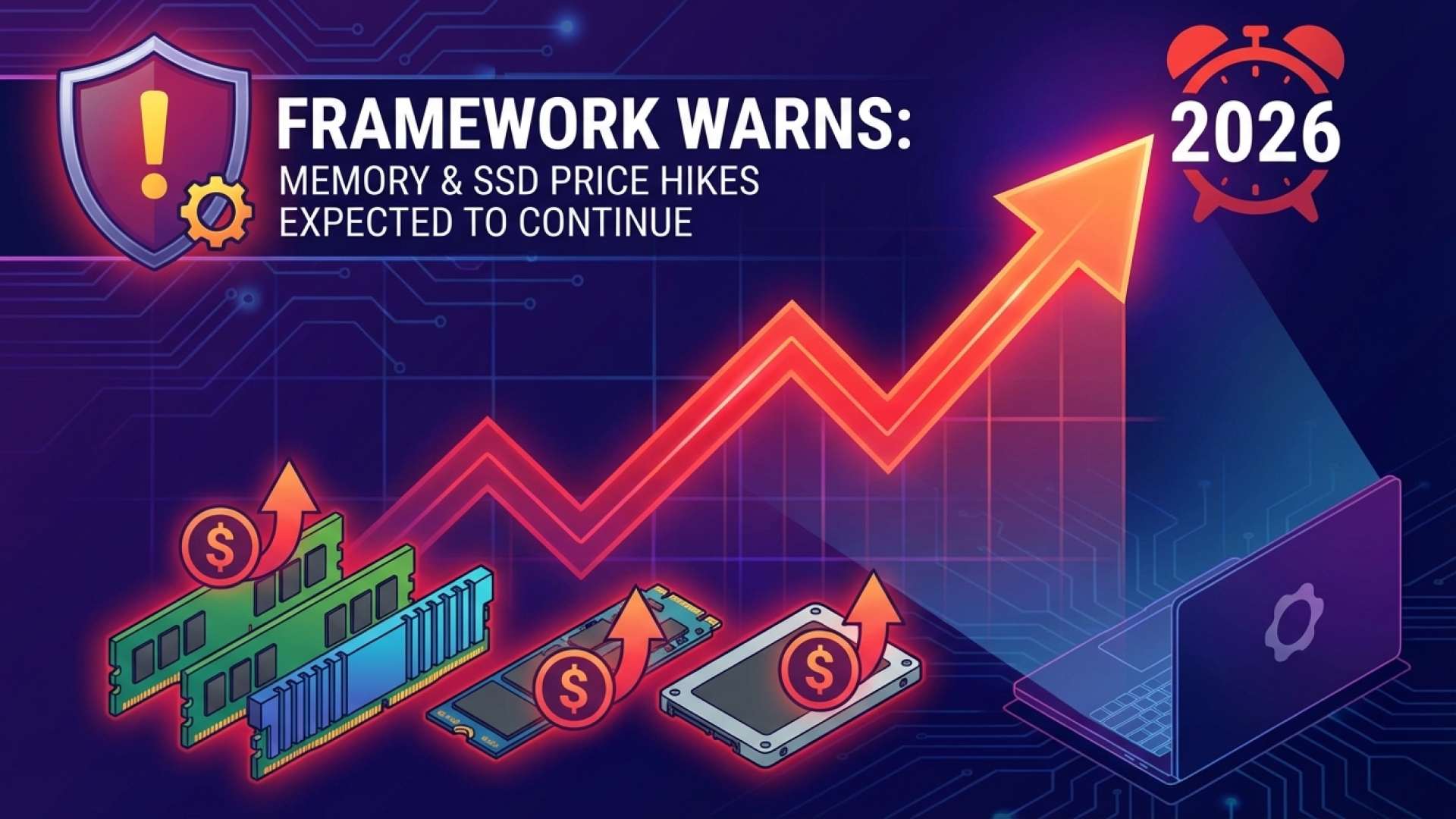
In the ever-evolving landscape of hardware, few names are as synonymous with transparency as Framework. However, the latest update from Framework CEO Nirav Patel serves as a sobering narrative for those planning their next build. While some analysts have suggested that DDR5 RAM prices are stabilizing, Patel views this as a “temporary reprieve,” forecasting a period of intense volatility and rising costs that could stretch through the end of 2026. At Digital Tech Explorer, we believe in staying ahead of these trends to help our community make informed decisions before the market shifts.
The Reality of DDR5 and SSD Market Fluctuations
For the moment, Framework has managed to maintain steady pricing on several key components, but the clock is ticking. Patel noted that while DDR5 prices for the Framework DIY Edition remained unchanged this past month, the stability is built on a dwindling foundation. The company is currently working through inventory purchased at previous, lower rates. As these stocks deplete, new shipments are arriving at “substantially higher costs.”
The first major casualty of this shift is the high-capacity storage sector. The 4 TB WD SN850x NVMe SSD is already slated for a price hike, signaling a broader trend across the 2024 component landscape.
LPDDR5x and the Local AI Revolution
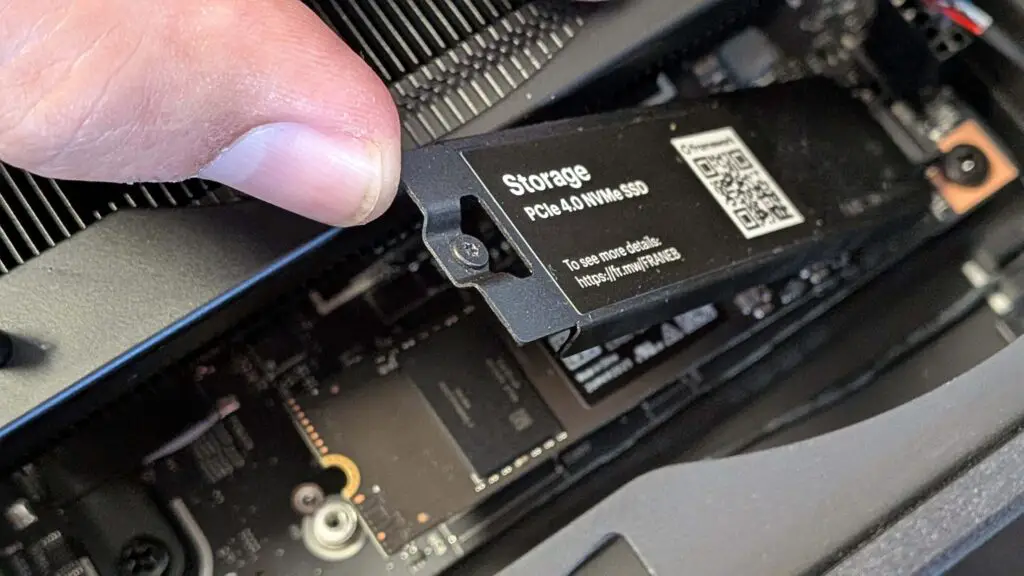
The surge is particularly pronounced for LPDDR5x memory, a critical component for the Framework Desktop. As the demand for AI processing power grows, so does the cost of the silicon required to support it. Framework has absorbed much of these overhead costs to date, but the 128GB LPDDR5x configuration has finally seen a necessary adjustment.
Despite these hikes, the Framework Desktop remains a competitive choice for developers and enthusiasts looking to run machine learning models locally. It provides a unique balance of modularity and high-capacity memory that is increasingly rare in the current market.
Framework Laptop 16: A Silver Lining in Pricing
It isn’t all grim news for the modular community. The Framework Laptop 16 has seen a bit of a price correction in the opposite direction for specific parts. By securing more favorable pricing for CPUs, Framework has been able to revert some configurations to their original, lower price points. However, this “win” is partially offset by the global memory crisis; the prebuilt configuration featuring 64GB of DDR5 has still been forced into a higher price bracket due to the cost of the modules themselves.
Impact Summary: Component Price Trends
| Component Type | Current Status | Price Projection (2024-2026) |
|---|---|---|
| DDR5 RAM (DIY) | Stable (Temporary) | Increasing as old stock depletes |
| LPDDR5x (128GB) | Already Increased | Highly Volatile due to AI demand |
| NVMe SSD (High Capacity) | Increasing | Steady upward trend expected |
| Laptop 16 CPUs | Decreased | Stable for current batch |
The AI Factor and the Long-Term Outlook
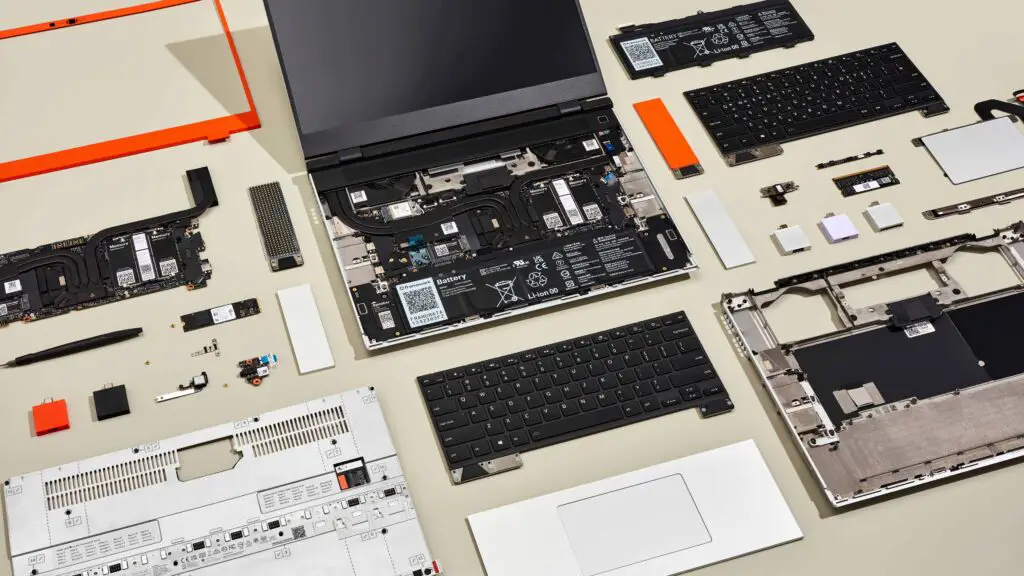
The underlying driver for this market instability is, unsurprisingly, the AI acceleration boom. As enterprise-level demand for high-bandwidth memory consumes the majority of global production capacity, consumer-grade RAM and storage are left in a supply crunch. Until the memory market finds a new equilibrium—or the fervor surrounding AI development cools—the days of “budget” high-capacity kits may be behind us.
At Digital Tech Explorer, we recommend that users looking to upgrade their gaming rigs or development workstations consider securing their memory and storage sooner rather than later. As TechTalesLeo, I’ve seen these cycles before, but the current intersection of AI demand and manufacturing constraints makes this a particularly unique era in tech history. Stay tuned to our latest reviews and deep dives to navigate these changes with confidence.
For more insights into the latest 2024 releases and hardware trends, visit our author page for TechTalesLeo.