

At Digital Tech Explorer, we often look at the cutting edge of AI and hardware, but understanding where the giants of the industry came from is just as vital. There was a time when Bethesda wasn’t the household name it is today, long before its releases became colossal, culture-defining events. While many gaming historians point to the critical success of The Elder Scrolls III: Morrowind or the post-apocalyptic shift in Fallout 3 as the company’s turning point, former Bethesda marketing VP Pete Hines suggests the true “arrival” happened later.
The Moment Bethesda Truly “Arrived”
In a recent Firezide Chat interview, Pete Hines shared that The Elder Scrolls V: Skyrim was the title that finally made the studio feel legitimate on a global scale. “Everybody played Skyrim—that was the thing that made us feel like we’ve arrived, we are legit,” Hines stated. He explained that following the release of this 2011 epic, other industry heavyweights had to view Bethesda as a primary contender for Game of the Year accolades. This wasn’t just a successful launch; it was a shift in the industry’s power dynamics, establishing the studio as a titan of gaming.
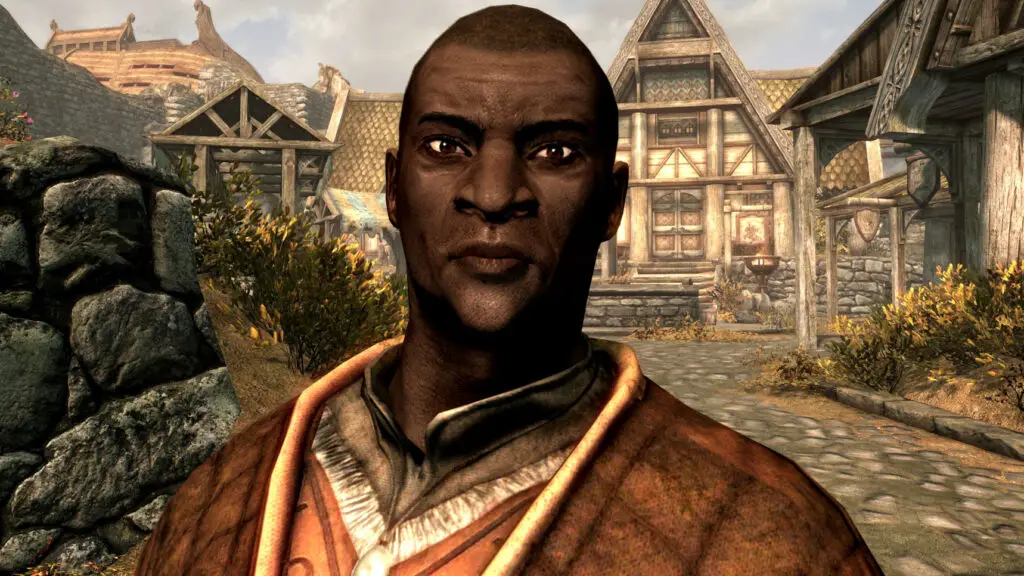
Building the Foundation: From Morrowind to Fallout 3
As TechTalesLeo, I find the narrative of studio growth fascinating. While Skyrim was the breakthrough, it stood on the shoulders of giants. Hines acknowledged that earlier titles laid the essential groundwork for this success. Fallout 3, for instance, significantly bolstered the studio’s reputation and size. However, it still felt like a niche success compared to what was to come. Hines noted that while many loved it, there was still a large segment of the market that had never touched it—a divide that didn’t exist with Skyrim.
Looking back even further, Morrowind was described as the game that literally “allowed us to stay in business.” It was the experimental spark that kept the lights on, though it lacked the universal appeal required to become a global phenomenon. For PC games enthusiasts, Morrowind remains a classic, but its reach was originally limited to a more hardcore audience.
Oblivion: The Proof of Concept
Among the predecessors, The Elder Scrolls IV: Oblivion served as the vital precursor to mass appeal. Hines recalled it as a “consensus Game of the Year” winner, which provided the internal confidence the team needed to aim higher. “Oblivion was like, we’re meant to be here. We are good enough to do this. It doesn’t matter how big we are, how big our competition is. We can do this,” Hines remarked. That internal belief was the engine that drove the development of Skyrim into a mainstream masterpiece.

Redefining the RPG Audience
The genius of Skyrim lay in its accessibility. It managed to transcend the traditional Role-Playing Game (RPG) demographic, introducing the genre to millions who had previously avoided it. By focusing on an engaging, “fun first” philosophy, Bethesda broke out of the niche. As Hines highlighted, people played it simply because it looked like fun, regardless of their history with RPGs. This democratization of complex gaming systems is a hallmark of Bethesda’s legacy and a topic we frequently explore here at Digital Tech Explorer when discussing software design and user experience.

For more deep dives into the history of digital innovation and the stories behind your favorite software, stay tuned to Digital Tech Explorer.