
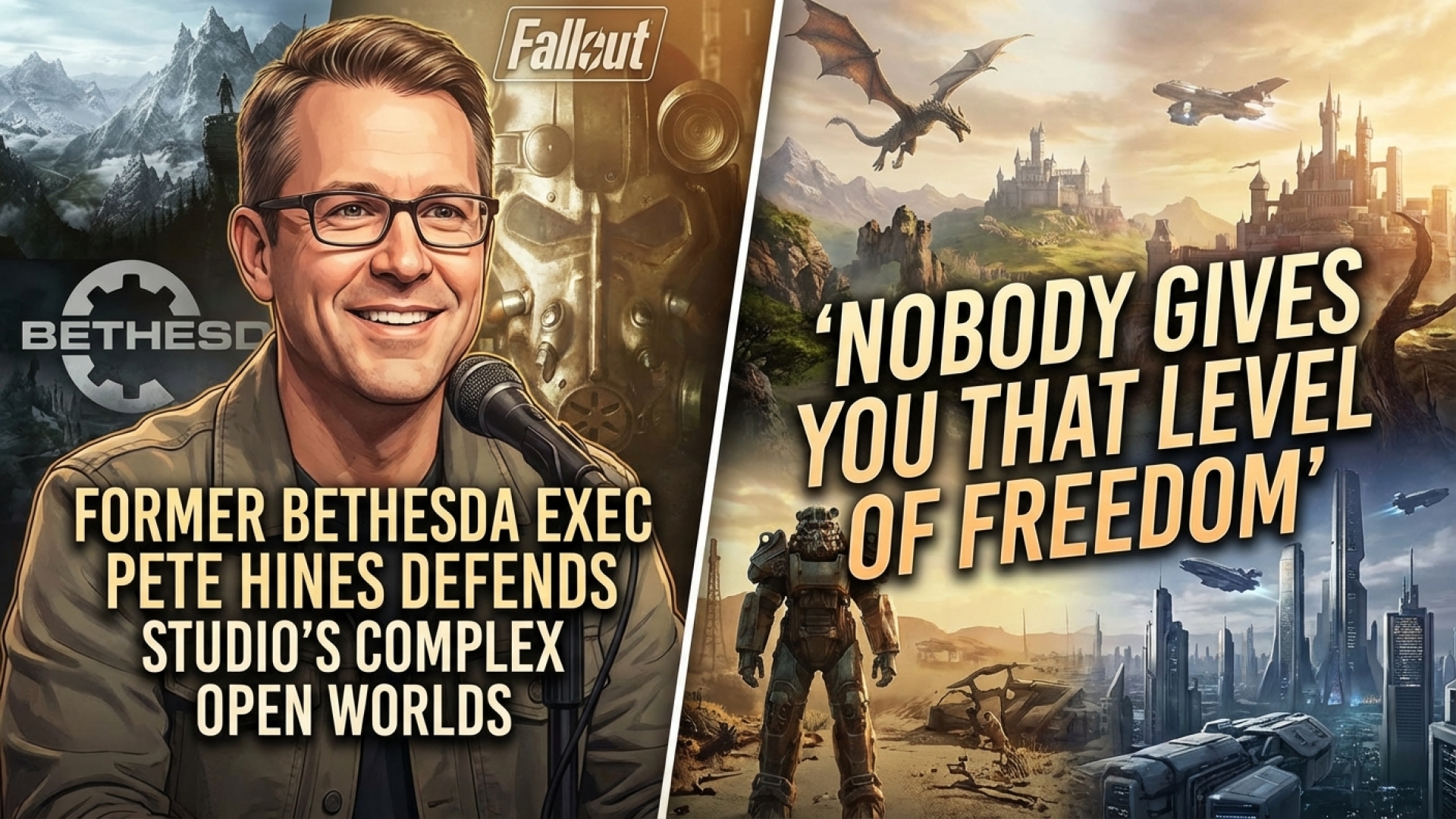
At Digital Tech Explorer, we are constantly dissecting the intersection of complex software engineering and the end-user experience. Few figures in the industry embody this tension better than Pete Hines. After nearly 25 years at Bethesda Softworks, Hines retired in 2023, leaving behind a legacy that shaped the very landscape of modern PC games and gaming culture. From crafting manuals to leading global PR, Hines has seen the evolution of digital innovation firsthand, and he remains a fierce advocate for Bethesda’s ambitious, albeit sometimes “janky,” design philosophy.
The Tech Behind the “Jank”: Bethesda’s Unique Philosophy
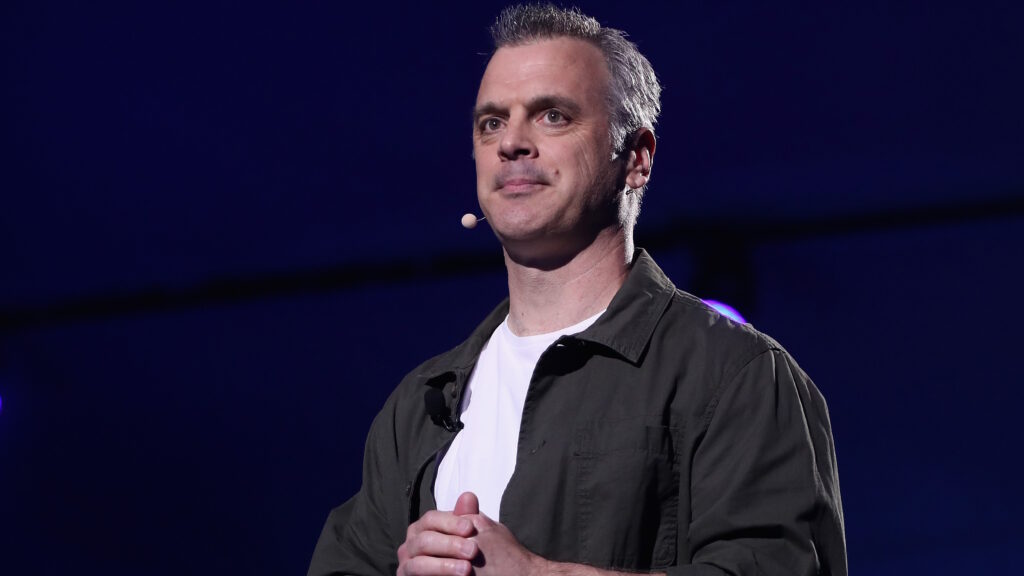
In a recent deep dive with Firezide Chat, Hines addressed a long-standing grievance: the perception that Bethesda is held to a harsher standard regarding bugs than its peers. He argues that critics often fail to account for the sheer systemic depth and scale of their titles. While other studios might offer more “polished” visual experiences, they often do so by limiting player agency—a trade-off Bethesda is unwilling to make.
Systemic Depth vs. Linear Scripting
Hines didn’t hold back when comparing Bethesda’s methodology to other industry titans. “Who else out in the world allows you to just stack up one quest after another on the fly while you’re going wherever you want and doing whatever you want? Go try that in Red Dead Redemption 2,” he challenged. His point highlights a fundamental difference in hardware utilization and software logic: Bethesda games track thousands of persistent variables simultaneously, whereas many competitors rely on rigid, linear quest structures.

According to Hines, Bethesda’s philosophy is built on the idea that the world shouldn’t “care” about the player’s constraints. “Go wherever you want. Try and break the game. We created it for you to do that,” he explained. This commitment to player freedom means allowing objects to have physics and allowing spells to interact with the environment in unpredictable ways—technical risks that most developers avoid to ensure stability. “Nobody says walk into this room full of weapons and cast a spell… and watch all the shit fly around the room. They don’t do that,” Hines noted, emphasizing the unique mechanical freedom found in their 2024 releases and legacy titles alike.
Defending the Legacy of Innovation
While the “wreck the world” approach seen in classics like Morrowind has been refined over the years, the core mission remains: creating truly player-driven experiences. TechTalesLeo views this as a vital part of the tech story; innovation isn’t always about the cleanest code, but about pushing the boundaries of what a virtual world can simulate. Hines concluded his defense with a call for the industry to recognize the bravery of Bethesda’s developers: “Put some respect on the name of not just Todd but this whole team that leans into the shit everybody else runs away from.”
At Digital Tech Explorer, we value this level of transparency and research into the tools that power our digital lives. Whether you are a developer looking at AI acceleration in gaming or a player enjoying the latest RPG, understanding the trade-off between stability and freedom is key to appreciating modern software evolution.
About the Author: TechTalesLeo is a dynamic storyteller at Digital Tech Explorer, dedicated to bridging the gap between complex digital innovation and everyday usability through insightful narratives and product analysis.