
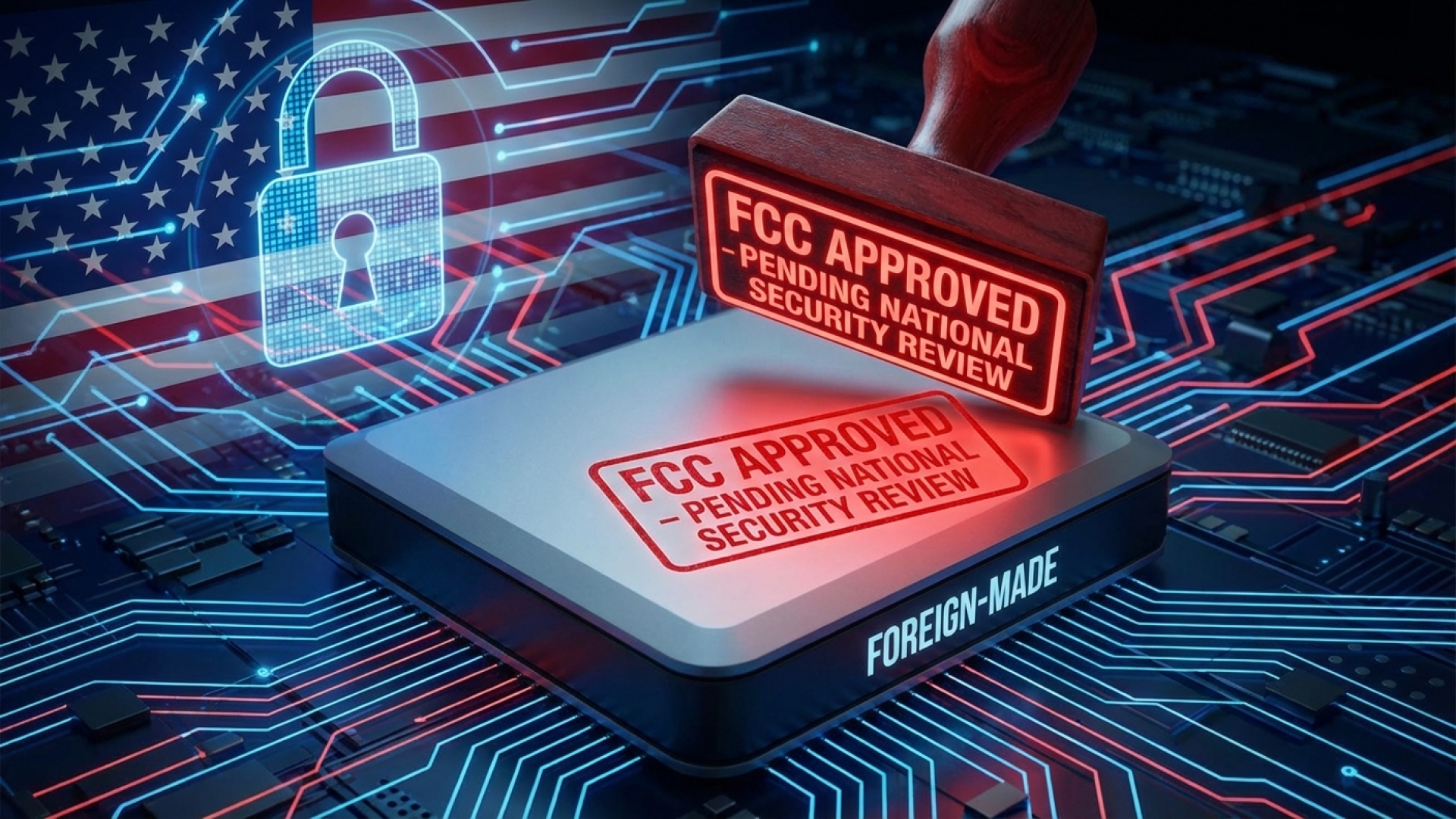
In a significant move to fortify the nation’s digital borders, the US Federal Communications Commission (FCC) has officially added consumer-grade routers manufactured in specific foreign countries to its “Covered List.” This designation marks these devices as posing an unacceptable risk to national security. For tech enthusiasts and professionals following the evolution of hardware security, this policy shift represents a major turning point in how networking equipment is vetted before reaching the American market.
The FCC has clarified that these restrictions target upcoming device models rather than the hardware already sitting in your home office. Currently owned routers, or those previously approved and available on retail shelves, are not immediate targets for removal. However, this strategy highlights a broader shift toward securing independent and reliable access to critical technology, ensuring that the tools we use to connect to the world are not vulnerabilities in disguise.
Why Foreign Networking Hardware is Under Scrutiny
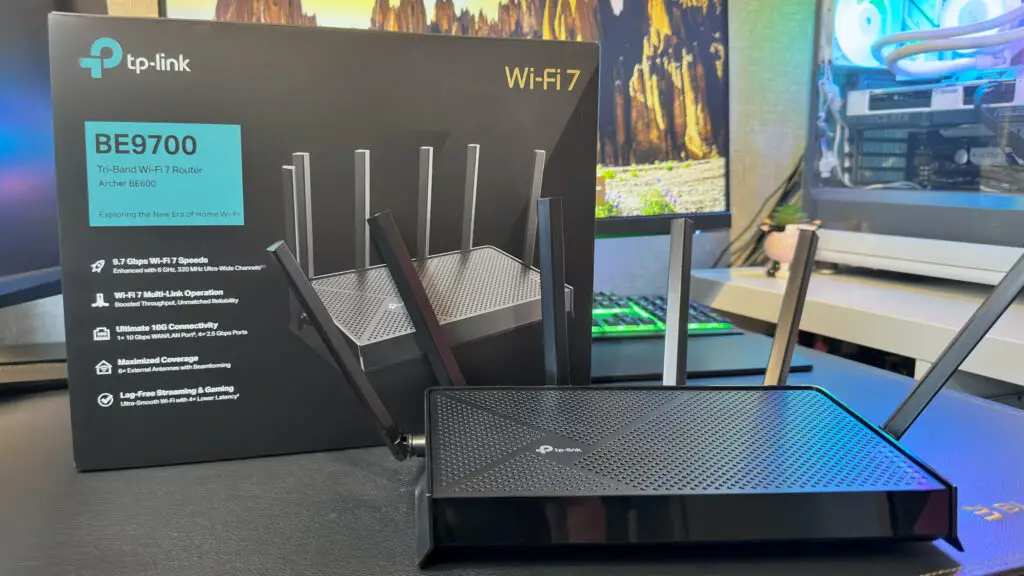
At Digital Tech Explorer, we’ve tracked how routers serve as the primary gateway for data, making them prime targets for sophisticated cyber threats. When these devices originate from regions with adversarial state oversight, the potential for “supply chain” vulnerabilities increases significantly. Documented cases involving TP-Link routers being compromised by state-sponsored actors have already fueled calls for stricter regulations.
An inter-agency assessment supports the FCC’s decision, noting that the modern economy and defense infrastructure are deeply intertwined with these networking hubs. The report warns that compromised hardware can lead to:
- Widespread network surveillance
- Sensitive data exfiltration
- The creation of massive botnets
- Unauthorized access to corporate and government intranets
Furthermore, agencies like CISA, the NSA, and the FBI have raised alarms regarding pre-positioned cyber threats. These actors often aim to embed themselves within IT networks to launch disruptive cyberattacks during geopolitical crises. As we move further into 2024 and beyond, securing the software and hardware supply chain has become a top-tier priority for the tech community.
Regulation Summary: What it Means for Consumers
| Category | Impact of FCC Ruling |
|---|---|
| Existing Routers | No change; legal to own and use. |
| New Foreign Models | Require special FCC approval before sale. |
| Future Availability | Possible delays for brands manufacturing in “Covered” regions. |
| Compliance Path | Manufacturers must seek “Conditional Approvals” by addressing security gaps. |
The Road Ahead for Home Networking

While the news might seem daunting, it is not a blanket ban on all foreign technology. Instead, it is a move toward accountability. Manufacturers can still apply for “Conditional Approvals,” which allow them to continue their operations provided they meet rigorous security standards set by the US government. This ensures that the gaming routers and high-speed hubs we rely on are built with integrity from the ground up.
For the average user, brands like TP-Link aren’t disappearing overnight. However, you should expect a more transparent marketplace. As a storyteller in the tech space, I, TechTalesLeo, see this as a necessary step in the digital age. By fortifying our infrastructure today, we ensure a safer, more resilient playground for the innovators of tomorrow. Stay tuned to Digital Tech Explorer as we continue to monitor these developments and provide in-depth reviews of the latest secure hardware hitting the market.
Disclaimer: All content on Digital Tech Explorer is for informational and entertainment purposes only. We do not provide financial or legal advice. Some of the links on our site are affiliate links, meaning we may earn a commission at no additional cost to you.