
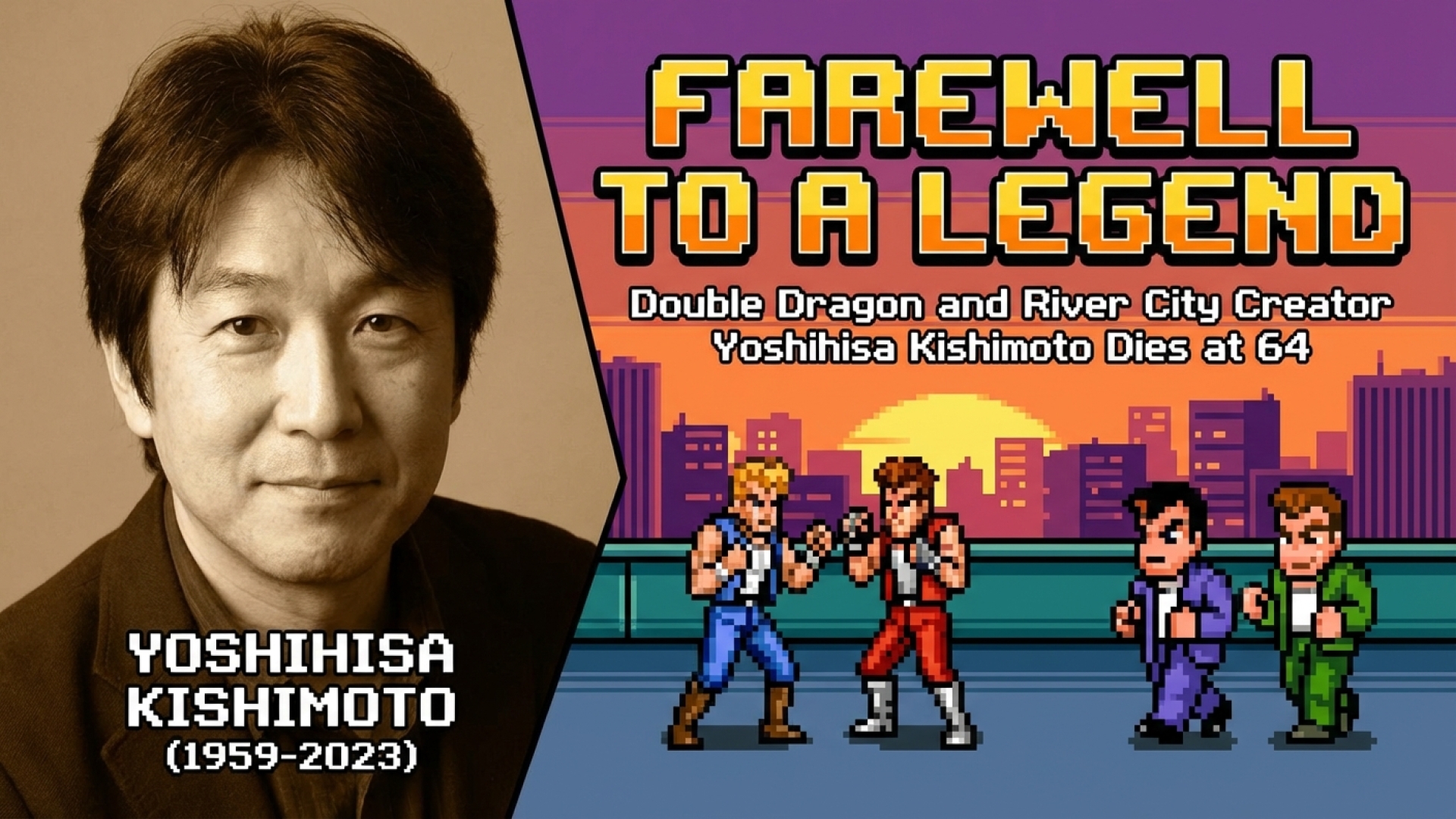
The global gaming community and the team here at Digital Tech Explorer are mourning the loss of a true architectural titan of the industry. Yoshihisa Kishimoto, the visionary creator behind the legendary Double Dragon and Kunio-kun (known to Western fans as River City) franchises, passed away on April 2, 2026, at the age of 64. The news was confirmed by his son, Ryūbō, who expressed deep gratitude for his father’s impact on the world. Kishimoto didn’t just make games; he engineered a genre, leaving an indelible mark on the history of gaming and software development.
The Genesis of the Beat-Em-Up Genre
TechTalesLeo always looks for the “story” behind the software, and Kishimoto’s career is a masterclass in creative pivots. In the early 1980s, while working at Data East, he contributed to LaserDisc titles like Cobra Command and Road Blaster. When he joined Technos Japan, the expectation was more of the same. However, Kishimoto chose to look inward rather than at expensive hardware trends. He proposed a narrative-driven experience inspired by his own turbulent youth—a story of a rebellious student navigating the gritty streets of his hometown.
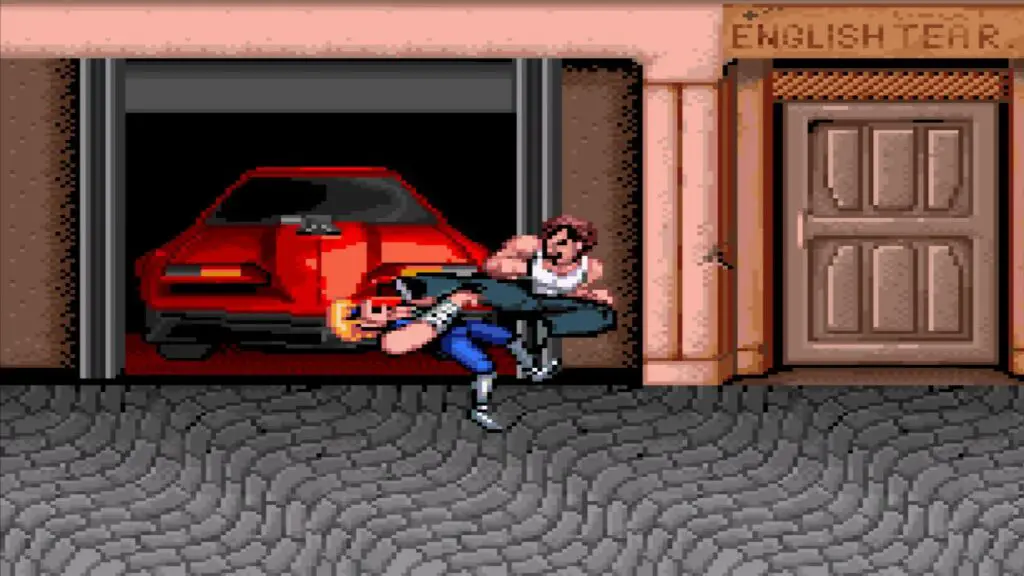
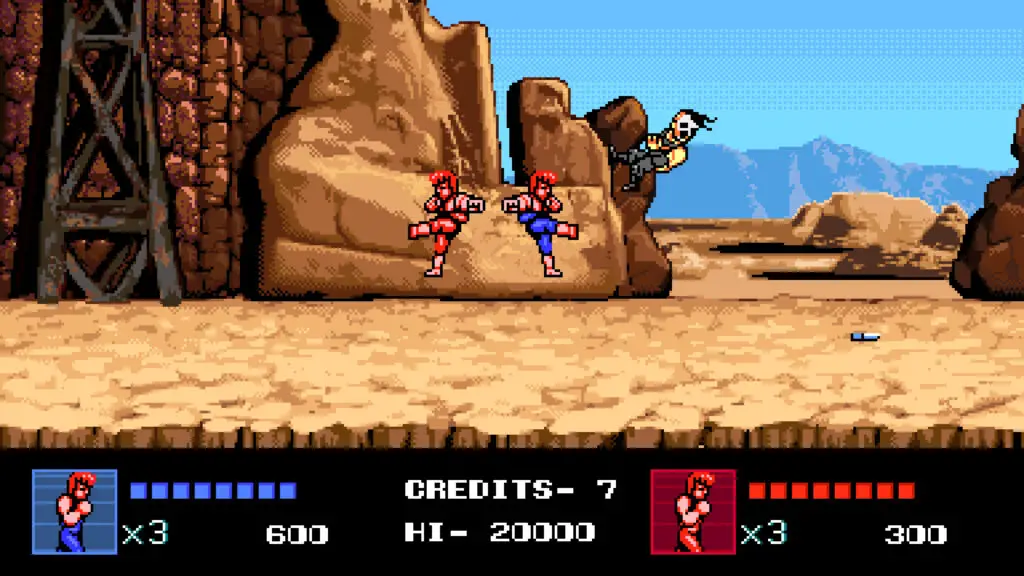
This vision materialized in 1986 as Nekketsu Kōha Kunio-kun, released internationally as Renegade. It was a departure from the arcade norm, blending brawler mechanics with a distinct sense of place. This success paved the way for the Kunio-kun series, which would eventually evolve to include RPG-lite elements and sports spinoffs. But it was the call for a co-operative experience in 1987 that led to the birth of Double Dragon. By allowing two players to fight side-by-side, Kishimoto defined the fundamental mechanics that would govern side-scrolling brawlers for decades.
| Release Year | Title | Significance |
|---|---|---|
| 1986 | Nekketsu Kōha Kunio-kun (Renegade) | Introduced the urban brawler concept. |
| 1987 | Double Dragon | Defined the co-op side-scrolling beat-em-up. |
| 1989 | River City Ransom | Pioneered RPG elements within the action genre. |
| 2017 | Double Dragon 4 | Kishimoto’s directorial return to the series. |
Post-Technos: Innovation and Consultancy
While the 1980s were defined by his role at Technos, Kishimoto’s later career showcased his versatility as a consultant and freelance designer. He worked on a diverse array of projects, including Super Dodge Ball and WWF Wrestlefest, proving that his understanding of competitive mechanics translated across various PC games and arcade hits. He eventually transitioned into the mobile space, continuing to experiment with gameplay loops on modern hardware.
In his final years, Kishimoto returned to his roots. He served as a consultant for the 2014 revival River City Ransom: Underground and directed 2017’s Double Dragon IV. These projects weren’t just “retro” throwbacks; they were a bridge between the classic era of arcade releases and the modern indie scene that still draws heavily from his original design documents.
A Legacy Written in Code
At Digital Tech Explorer, we believe that understanding the history of technology is vital for predicting its future. Yoshihisa Kishimoto’s impact is undeniable. He transformed personal experiences into digital narratives that resonated with millions. His son, Ryūbō, noted on social media that he was moved by the global outpouring of grief, stating, “I am so happy to know that there are people all over the world who have played the Kunio-kun series… please continue to enjoy my father’s works.”
As we look toward new frontiers in AI and gaming graphics, we must never forget the pioneers who built the foundation with nothing more than 8-bit sprites and raw creativity. Kishimoto’s spirit lives on in every “Go!” prompt and every street brawl in gaming history.
Disclaimer: All content on Digital Tech Explorer is for informational and entertainment purposes only. We do not provide financial or legal advice. Some of the links on Digital Tech Explorer are affiliate links. This means we may earn a commission if you click through and make a purchase, at no additional cost to you. Our recommendations are based on thorough research and personal experience.
For more stories on digital innovation and tech analysis, visit TechTalesLeo’s author page.