
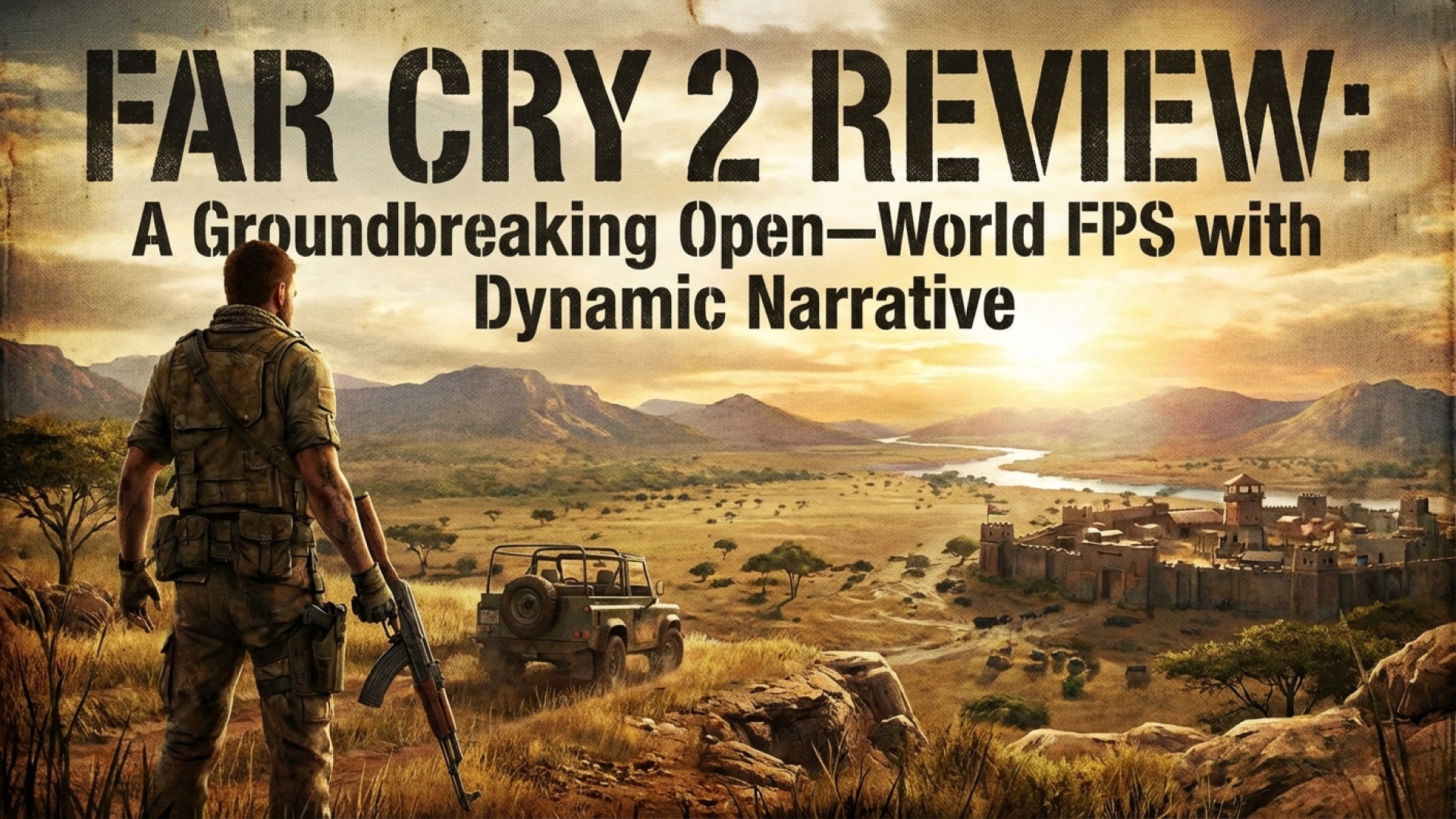
At Digital Tech Explorer, we often look back at the milestones that shaped the current landscape of gaming. Few titles have left as significant a mark on the open-world genre as Far Cry 2. Released in October 2008 and developed by Ubisoft, this title wasn’t just another first-person shooter; it was a bold experiment in procedural storytelling and technical immersion. As TechTalesLeo, I’ve always been fascinated by how this game’s “Dunia Engine” pushed hardware to its limits to create a world that feels genuinely indifferent to the player’s existence.
| Need to Know | |
|---|---|
| What is it? | A beautiful, free-roaming, and technically ambitious FPS. |
| Release date: | October 24, 2008 |
| Developer/Publisher: | Ubisoft |
| PC Gamer Verdict: | 94/100 |
A Narrative Driven by Choice and Chance
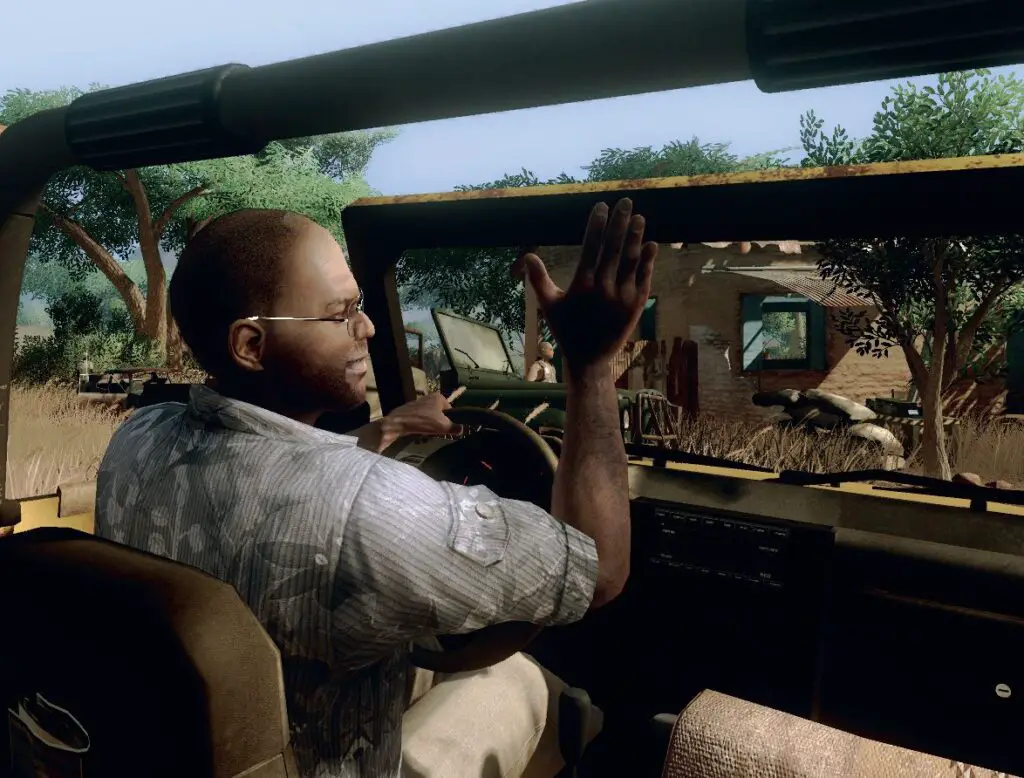
The premise is deceptively straightforward: you are a mercenary in a war-torn African nation, tasked with neutralizing an elusive arms dealer known as The Jackal. However, the narrative journey is where TechTalesLeo finds the most intrigue. Far Cry 2 utilizes a procedural system where your story is shaped by “buddies”—fellow mercenaries who offer alternative mission objectives and can even rescue you from the brink of death.
This creates a dynamic experience that feels uniquely personal. When a companion like Nasreen or Andre drags you from a burning wreckage, the connection is forged through gameplay rather than a scripted sequence. Conversely, when those same allies are mortally wounded and you’ve run out of healing syrettes, the decision to perform a mercy kill carries a weight that modern PC games often struggle to replicate.
Pushing the Boundaries of Immersion
From a software design perspective, Ubisoft’s commitment to a diegetic interface is masterful. In Far Cry 2, there are no traditional menu screens to break the immersion. To check your coordinates, you physically hold a paper map and a GPS device. To heal, you witness grisly animations of your character extracting bullets or resetting bones. This design philosophy ensures that the player remains tethered to the world, maintaining a level of tension that is rare in the genre.
Technological Innovation: The Power of Fire
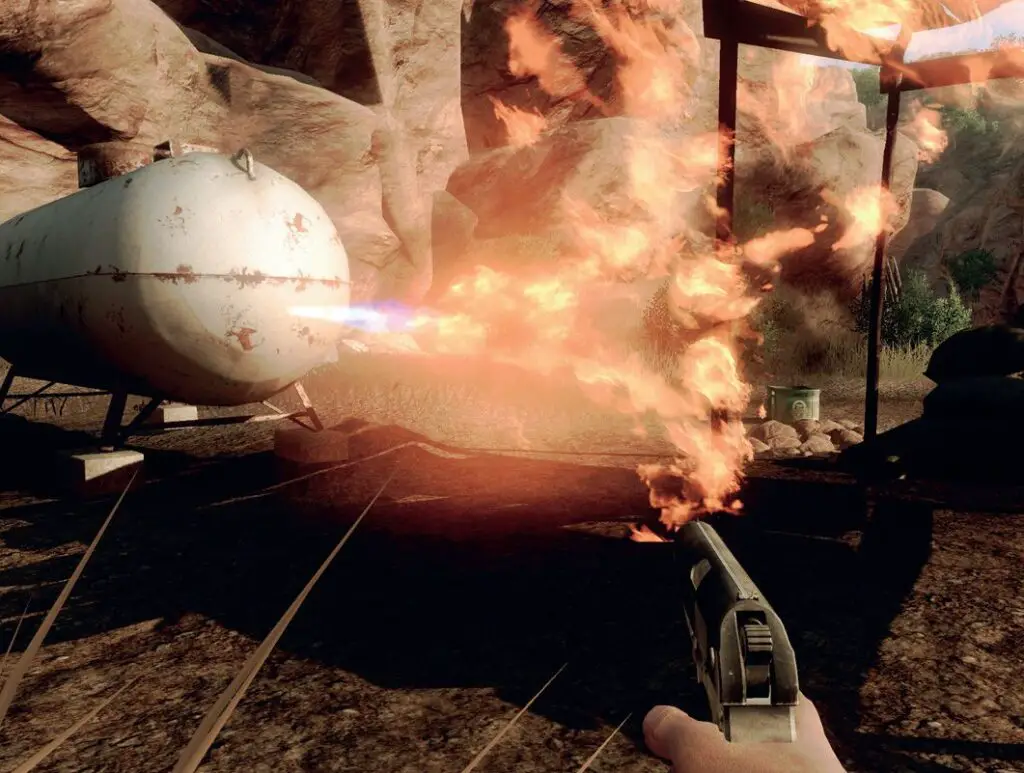
Technologically, the game was years ahead of its time, showcasing what AI-driven environmental interaction could look like. While the 4K resolution standards of today weren’t around in 2008, the lighting and weather systems still hold up beautifully. However, the true star is the fire propagation system.

Igniting a patch of dry grass isn’t just a visual effect; the fire spreads realistically based on wind direction and vegetation density. This adds a layer of tactical depth, allowing players to use the environment itself as a weapon to flush out enemies or create a chaotic screen for an escape.

Navigating the Friction
No exploration of Far Cry 2 would be complete without acknowledging its deliberate friction. The aggressive respawning of enemies at guard posts can turn a simple cross-country drive into a series of exhausting skirmishes. Additionally, the inability to fire from the driver’s seat makes vehicle combat feel somewhat clunky. Yet, for many tech enthusiasts, these “flaws” contribute to the game’s identity as a brutal survival simulator rather than a power fantasy.

The Final Verdict
Far Cry 2 remains a landmark achievement in digital innovation. It is a smart, visceral, and consistently surprising experience that challenged the industry to think differently about player agency. While it has its rough edges, its focus on immersion and emergent gameplay makes it a must-play for anyone interested in the evolution of game design. Once you have navigated the savannahs and witnessed the spreading wildfires of this African frontier, traditional, hand-holding shooters feel remarkably hollow.
Final Score: 94% — A masterpiece of open-world design that remains a benchmark for atmospheric storytelling.
Disclaimer: All content on Digital Tech Explorer is for informational and entertainment purposes only. We do not provide financial or legal advice.
Affiliate Disclaimer: Some of the links on Digital Tech Explorer are affiliate links. This means we may earn a commission if you click through and make a purchase, at no additional cost to you. Our recommendations are based on thorough research and personal experience.
For more deep dives into tech history and reviews, visit the TechTalesLeo author page or explore our latest 2024 tech releases.