
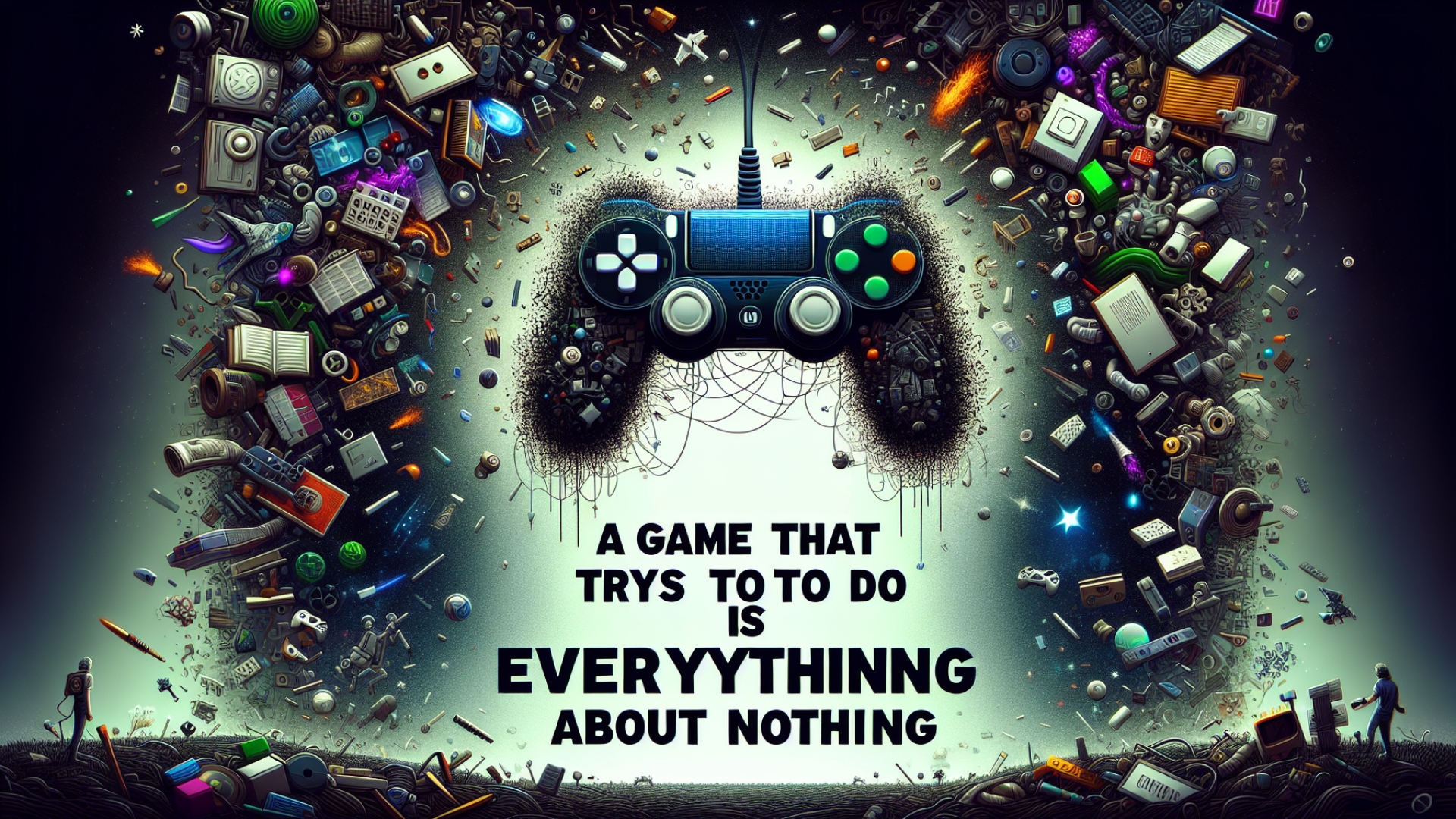
Welcome back to Digital Tech Explorer. I’m TechTalesLeo, and today we’re diving into the mind of a legendary architect of digital worlds. Veteran RPG designer and Fallout co-creator Tim Cain recently shared a compelling YouTube video dissecting the common game design pitfalls that can derail even the most promising development projects. Cain, who recently returned to Obsidian Entertainment, delivers a masterclass in creative restraint: a game that tries to be everything often ends up being about nothing at all.

The Design Pothole of Overambition

Cain identifies recurring development hurdles as “design potholes.” These are issues that experienced developers can navigate, but they can shatter a project if the team moves too quickly without a clear map. The most dangerous pothole is overambition in narrative and lore. At Digital Tech Explorer, we often see this in PC games where developers attempt to blend too many genres—combining hard sci-fi aliens, supernatural psionics, complex magic systems, and noir murder mysteries into a single title. While each element might be “cool,” mixing them without a strong central theme causes the game to lose its core identity and direction, ultimately diluting the player’s immersion.
Mechanical Feature Creep
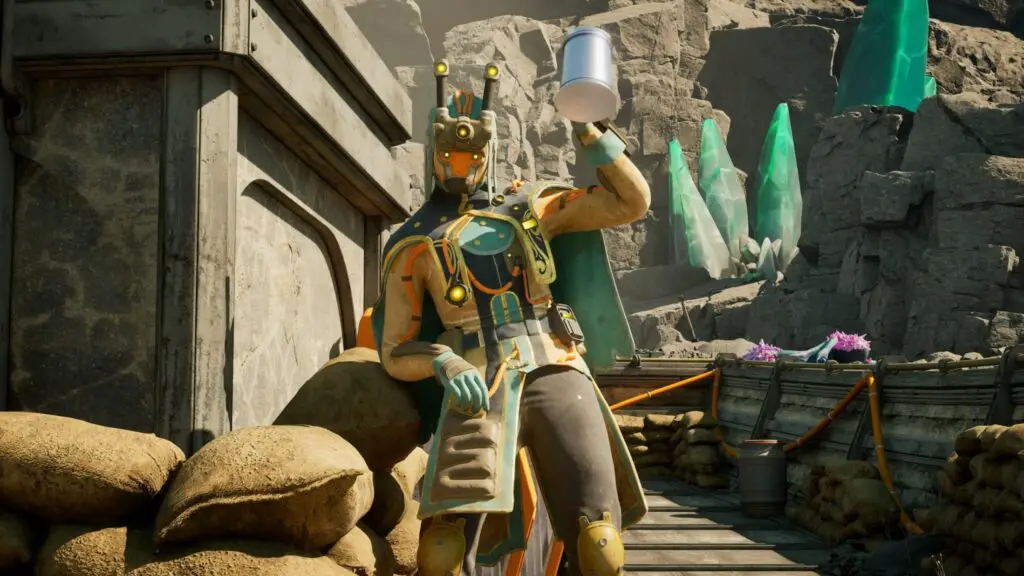
Overambition isn’t exclusive to storytelling; it thrives in game mechanics. Cain highlights mechanical feature creep, where developers add systems like detailed crafting, base building, or item degradation simply because they are currently trending in the industry. For a gaming experience to feel cohesive, every mechanic must serve a design pillar. Adding features because “everyone else is doing it” leads to a bloated interface and a fragmented user experience.
| Design Pitfall | The Symptom | The Consequence |
|---|---|---|
| Lore Bloat | Mixing magic, sci-fi, and noir without a theme. | Loss of narrative identity. |
| Feature Creep | Adding crafting/building just because it’s trendy. | Diluted core gameplay loop. |
| Forced Emotion | Dictating how a player should feel via text. | Reduced player agency and engagement. |
Clarity of Purpose and Player Experience
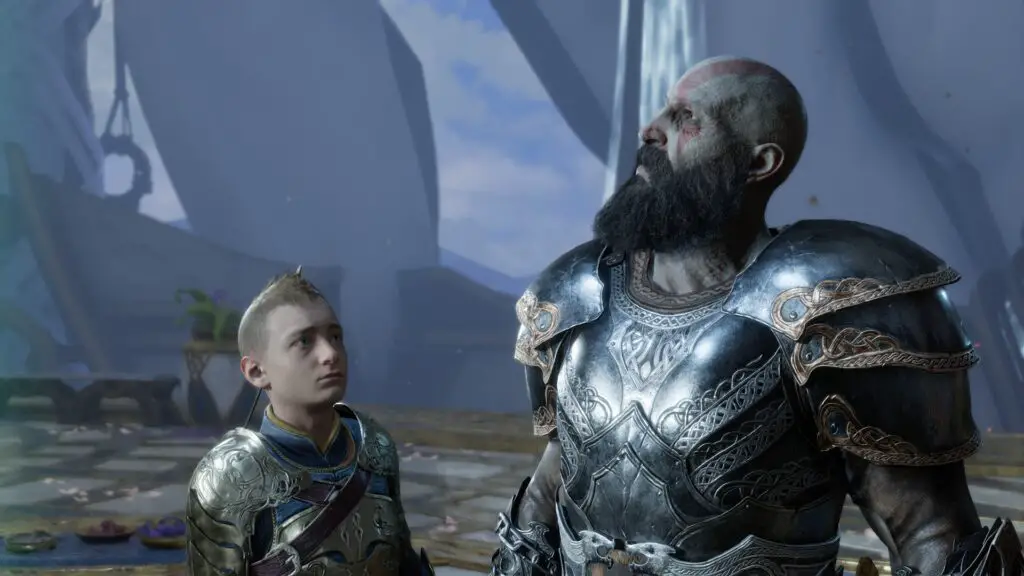
According to Cain, the root of these issues is a lack of focus. Every feature should exist for a reason that transcends “it’s neat.” Modern blockbusters like Assassin’s Creed and God of War have occasionally faced criticism for becoming weighed down by peripheral systems that don’t necessarily enhance the core fantasy. When a design document attempts to “force” emotions rather than creating systems that naturally evoke them, it signals a fundamental misunderstanding of player motivation.
To steer clear of these potholes, Cain suggests establishing rigid design pillars. He points to the development era of the 1980s, where technical limitations acted as a natural filter, forcing developers to be precise with their mechanical and artistic choices. By setting specific boundaries, today’s developers can maintain a clear vision, ensuring their project doesn’t become another “game about nothing.”
For more insights into the intersection of coding and creativity, stay tuned to Digital Tech Explorer. Whether you’re interested in AI acceleration or the latest in hardware, we’re here to help you stay ahead of the curve.

About the Author: TechTalesLeo is a dynamic storyteller and tech enthusiast who brings technology to life through captivating narratives and engaging content. With a background in digital innovation, Leo focuses on bridging the gap between complex tech and everyday usability.
Disclaimer: All content on Digital Tech Explorer is for informational and entertainment purposes only. We do not provide financial or legal advice. Affiliate Disclaimer: Some of the links on Digital Tech Explorer are affiliate links. This means we may earn a commission if you click through and make a purchase, at no additional cost to you. Our recommendations are based on thorough research and personal experience.