
At Digital Tech Explorer, we often dive deep into the architecture of software and game design. Recently, Tim Cain, the legendary co-creator of the original Fallout, shared a masterclass in creative discipline via his YouTube channel. His insights offer a rare look at the delicate art of maintaining a coherent tone—a challenge every software engineer and digital storyteller faces when building immersive worlds. Cain emphasized that as a game director, the hardest but most essential task is often saying “no” to great ideas that simply don’t fit the vision.

The Veto of the “Terminator-Style” Robots
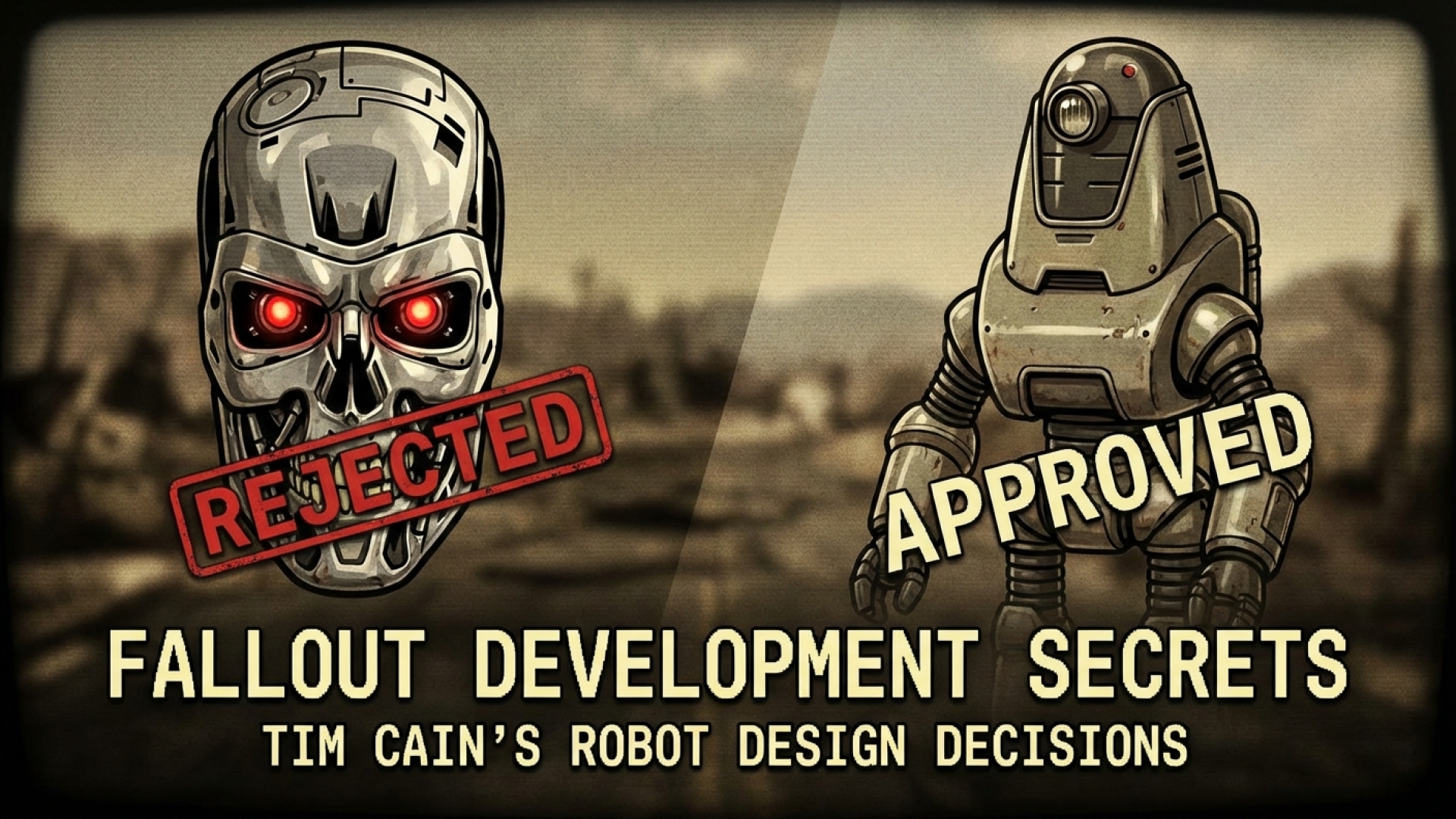
One of the most compelling anecdotes Cain shared involved the high-stakes world of asset design. During the development of the first Fallout, a team member proposed including “Terminator-style robots”—menacing endoskeletons with a heavy, industrial aesthetic. While the concept was cool, Cain immediately recognized it as a threat to the game’s identity.
Cain explained that the Fallout universe is a specific “50s imagining of the future.” He famously compared the rejected concept to the iconic Mr. Handy. In Cain’s view, a sleek, terrifying endoskeleton and a hovering, multi-armed domestic robot couldn’t coexist without shattering the player’s immersion. This commitment to retro-futuristic Americana is what eventually solidified the series as a landmark in gaming history.
A Comparison of Tonal Direction in Fallout
To understand the impact of these creative decisions, we can look at how different elements align with the core “Atom-punk” aesthetic of the series. Maintaining this balance is what separates a generic sci-fi title from a world-class RPG.
| Feature Concept | Original Status | Tonal Alignment |
|---|---|---|
| Mr. Handy Robots | Accepted | High – Perfect ’50s domestic futurism. |
| Terminator Endoskeletons | Rejected | Low – Too modern/industrial sci-fi. |
| Talking Raccoon Race | Rejected | Low – Diverged into “cartoonish” territory. |
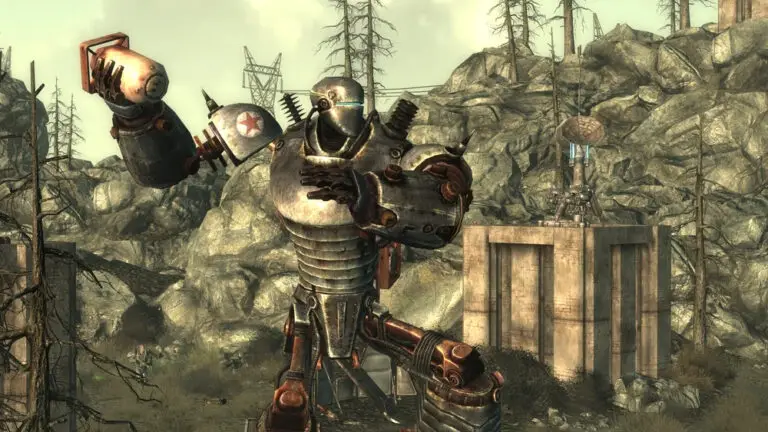
| Power Armor | Accepted | High – Blends military might with bulky retro tech. |
Evolution and the “Fallout 4” Tonal Shift
Cain’s reflections provide an interesting lens through which to view PC games like Fallout 4. While a massive commercial success, Fallout 4 introduced a heavy focus on Synths—androids that grapple with personhood and liberation. This narrative arc leaned heavily into the philosophical territory of Blade Runner, a move that many veteran fans felt was a departure from the gritty, satirical retro-future Cain originally envisioned. While the tech behind the game evolved, the shift highlighted how difficult it is to keep a long-running franchise’s “soul” intact across decades.
The “Talking Raccoon” Experiment
Perhaps the most surprising revelation was the existence of a planned “talking raccoon race.” Cain ultimately cut the idea, not because it was poor, but because it didn’t meet the game’s established gravity. In the world of AI and digital innovation, developers often face “feature creep”—the temptation to add every “cool” idea until the core product becomes unrecognizable. Cain’s “tonal policing” ensured that Fallout remained grounded in its unique brand of post-apocalyptic dark humor.
For us at Digital Tech Explorer, Cain’s stories serve as a vital reminder for developers and tech enthusiasts alike: brilliance isn’t just about what you build; it’s about what you choose to leave out to ensure the final product is cohesive, immersive, and true to its mission.