
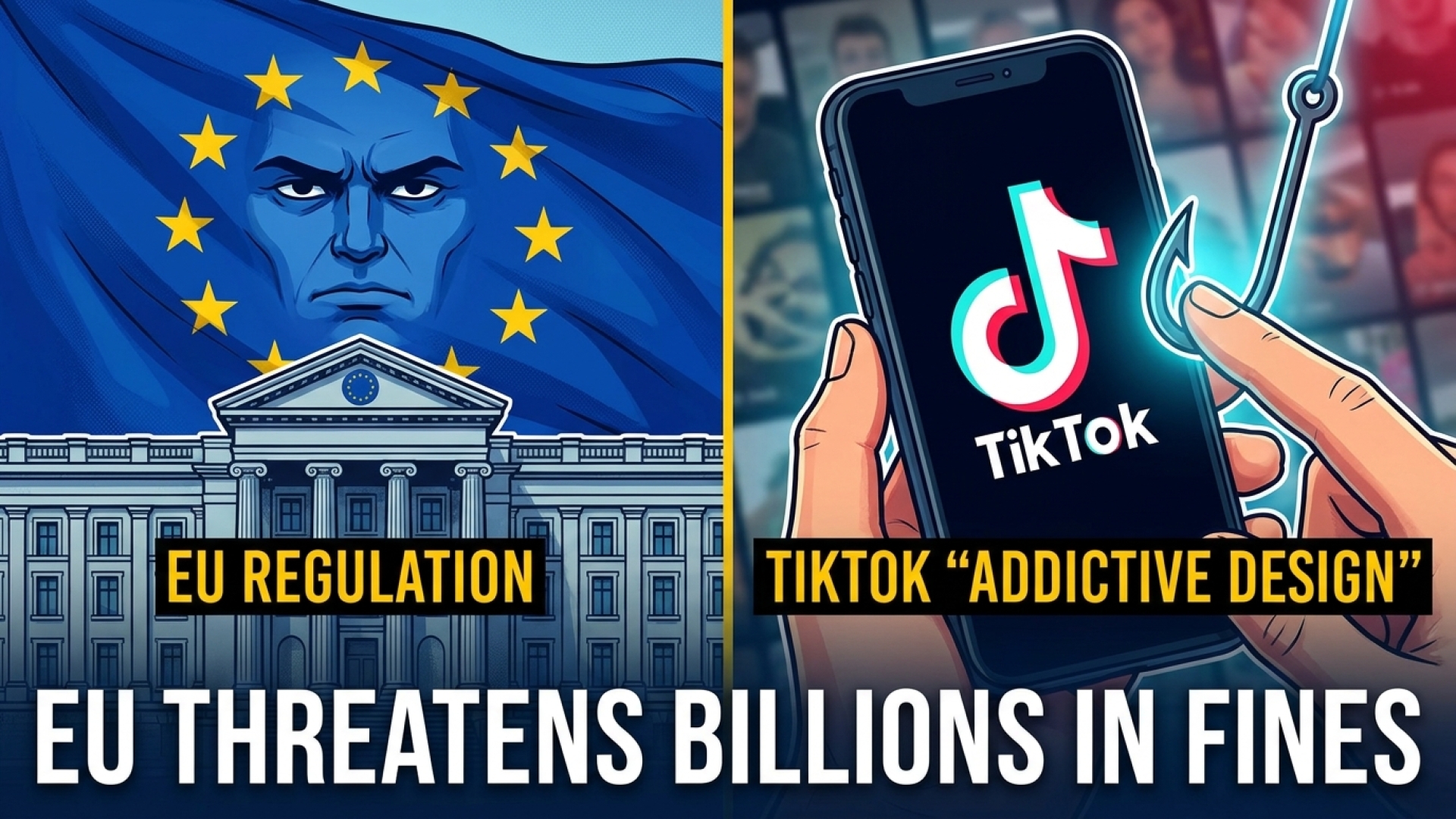
In the rapidly evolving landscape of digital innovation, the line between engagement and obsession is becoming increasingly thin. Here at Digital Tech Explorer, we’ve long tracked how software engineering choices impact user behavior. Now, the European Commission is stepping in with a definitive stance, issuing preliminary findings that could reshape the future of social media architecture. The target? TikTok and what regulators are calling its “addictive design.”
According to a recent press release, the EU regulator found the platform in breach of the Digital Services Act (DSA). The core of the investigation centers on features that many users take for granted but which experts suggest are engineered for compulsion.
The Mechanics of Compulsion
The Commission’s report highlights several key features that contribute to what they describe as a “rabbit hole” effect. This includes the infamous infinite scroll, autoplaying videos, intrusive push notifications, and a highly personalized AI-driven recommender system.
“The Commission’s investigation preliminarily indicates that TikTok did not adequately assess how these addictive features could harm the physical and mental wellbeing of its users,” the report states. By constantly “rewarding” users with fresh, hyper-relevant content, the platform reportedly shifts the brain into an “autopilot mode,” which scientific research suggests can lead to reduced self-control and compulsive behavior.
| Feature Investigated | Regulatory Concern |
|---|---|
| Infinite Scroll | Removes natural “stopping points,” fueling compulsive use. |
| Recommender System | Highly personalized AI acceleration of content delivery. |
| Push Notifications | Frequent interruptions that trigger the urge to check the app. |
| Autoplay | Reduces user friction, making it harder to stop watching. |

Safety Tools: Help or Window Dressing?
While ByteDance, the parent company of the platform, has introduced various screen-time management and safety tools, the European Commission remains unimpressed. From a technical and usability standpoint, these tools are often viewed as “easy to dismiss.”
The regulators argue that these measures introduce “limited friction,” meaning they don’t actually stop the behavior they are designed to mitigate. Furthermore, parental controls were criticized for placing an undue burden on parents, requiring significant time and technical skill to implement effectively on Android and iOS devices.
Demanding a Design Overhaul
The Commission isn’t just asking for better labels; they are demanding structural changes to the software. Proposed adjustments include disabling infinite scroll over time, implementing mandatory “screen time breaks” (especially during night hours), and recalibrating the underlying algorithms.
This investigation was not a surface-level review. It involved a deep dive into internal data, risk assessment reports, and interviews with experts in behavioral addiction. As we navigate these 2024 tech trends, the shift toward “humane design” is becoming a central theme in global regulation.
The High Cost of Non-Compliance
TikTok currently has the opportunity to defend its design choices and provide written responses. However, the stakes are incredibly high. If the preliminary views are confirmed, the Commission could issue a non-compliance decision, leading to massive financial penalties.
Under the DSA, fines can reach up to 6% of the provider’s total worldwide annual turnover. Given the latest financial estimates for ByteDance, this could reach into the billions of dollars. This regulatory pressure mirrors ongoing struggles in other regions, including the United States, where the future of the app remains a subject of intense political and legal debate.
At Digital Tech Explorer, we believe that understanding the code and the “why” behind your favorite apps is essential. As this story develops, it serves as a reminder that the software we use every day is not just a tool, but an environment that can actively shape our habits. Stay tuned to our TechTalesLeo series for more stories on how digital innovation intersects with our daily lives.