
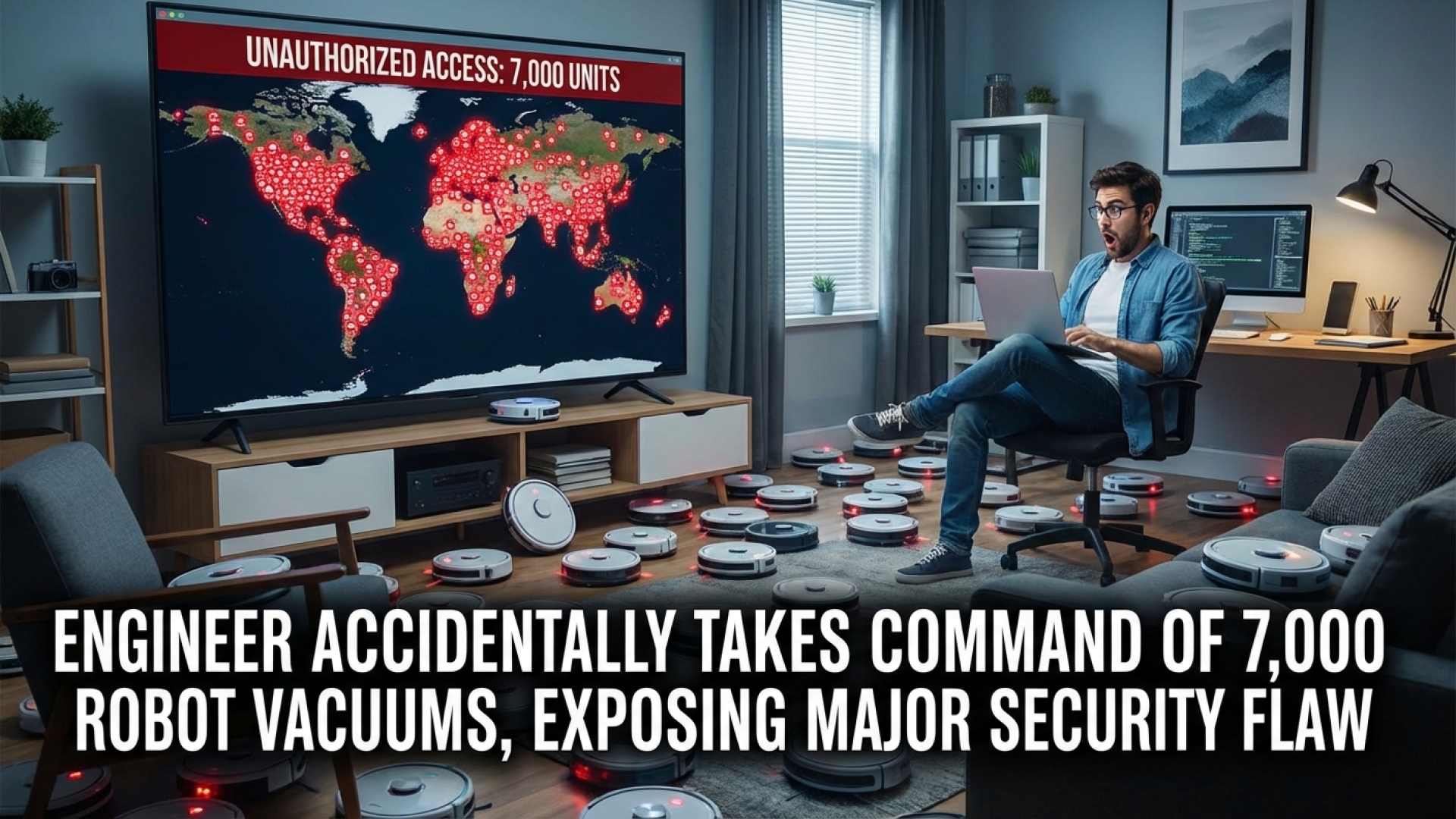
In the world of digital innovation, sometimes the most profound discoveries begin with a simple, playful idea. For software engineer Sammy Azdoufal, that spark was a desire to merge his love for gaming with home automation. His goal was straightforward: navigate his robot vacuum using a PS5 DualSense controller. It was a project perfect for a weekend tinkerer, but it quickly evolved into a high-stakes narrative of digital vulnerability.

The Accidental Commander
Azdoufal’s journey took a turn when he utilized AI tools—specifically Claude Code—to analyze the communication traffic between his DJI Romo and the manufacturer’s cloud servers. At Digital Tech Explorer, we frequently highlight how machine learning can assist developers, but here, the results were chilling. The security token provided by the server didn’t just unlock his device; it granted him access to an entire global fleet. Suddenly, he wasn’t just controlling his own vacuum—he had the digital keys to over 7,000 units across two dozen countries.
| Vulnerability Metric | Details |
|---|---|
| Total Affected Units | Approx. 7,000+ |
| Accessible Data | Live Video, Audio, 2D Floor Plans, IP Addresses |
| Geographic Reach | Over 24 Countries |
| Primary Cause | MQTT-based backend permission validation issue |
Privacy in the Age of Connected Hardware
The capabilities revealed by this exploit were unsettling. Through his Claude-powered interface, Azdoufal could see serial numbers, cleaning routes, and real-time obstacle data. More invasive was the ability to activate onboard cameras and microphones, effectively turning a cleaning tool into a remote surveillance device. By using recorded spatial data, he could even reconstruct the 2D floor plans of strangers’ homes. This incident serves as a stark reminder that as we integrate more hardware into our private lives, the “attack surface” for potential breaches grows exponentially.

DJI’s Response and the Path Forward
To their credit, DJI acted swiftly once notified by Azdoufal and the press, issuing a patch within days. They acknowledged a “backend permission validation issue” affecting the MQTT communication protocols. However, the story isn’t quite over. Azdoufal suggests that additional vulnerabilities discovered during his research remain unpatched. DJI has pledged to resolve these lingering concerns shortly. This situation raises a fundamental question for tech enthusiasts: Why does a vacuum need a microphone to begin with? At Digital Tech Explorer, we believe transparency in product design is vital to maintaining user trust.
The Growing Pattern of IoT Insecurity
This isn’t an isolated incident in the world of smart home tech. In 2024, similar flaws were exploited in Ecovacs cleaners, leading to reports of hackers harassing homeowners. As we race toward a more automated future, the pressure to bring products to market often outweighs the necessity of rigorous security testing. Whether it’s Android-based smart devices or proprietary IoT ecosystems, the lesson remains: convenience should never come at the cost of safety.
Azdoufal did eventually succeed in his original mission—he managed to get his gaming controller to steer his vacuum. But his story serves as a cautionary tale for all of us in the tech community. As we bridge the gap between complex technology and everyday usability, we must remain vigilant about the digital shadows our devices might cast.

Disclaimer: All content on Digital Tech Explorer is for informational and entertainment purposes only. We do not provide financial or legal advice.
Affiliate Disclaimer: Some of the links on Digital Tech Explorer are affiliate links. This means we may earn a commission if you click through and make a purchase, at no additional cost to you. Our recommendations are based on thorough research and personal experience.