
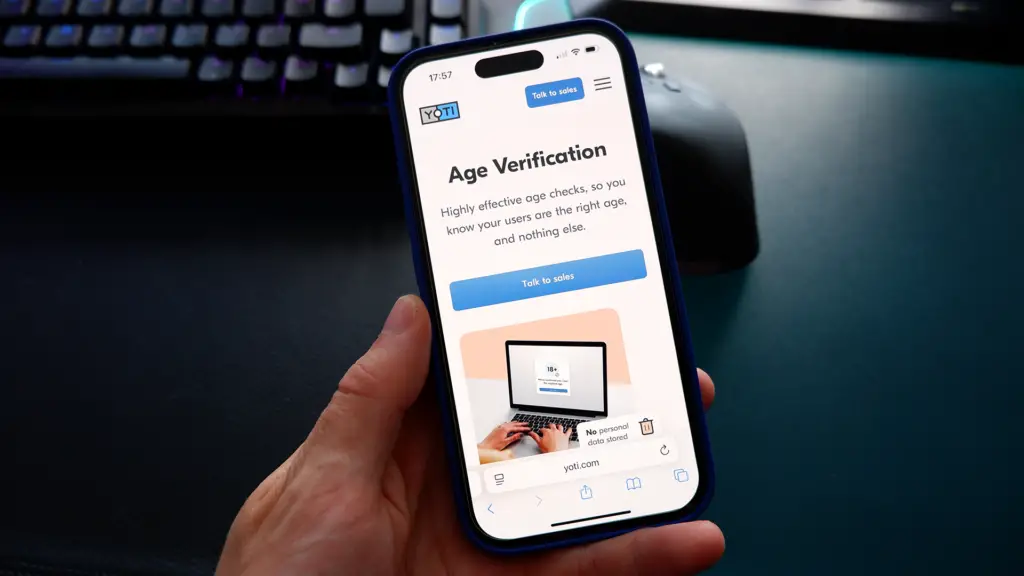
The digital landscape is shifting beneath our feet, and for millions of gamers and tech enthusiasts, the latest tremors are coming directly from Discord. In a move that has sent ripples through the tech community, Discord recently announced plans to default users into a “teen-appropriate experience” unless they undergo a rigorous age verification process—specifically, uploading a government ID or submitting to a facial scan. At Digital Tech Explorer, we believe in transparency and deep-diving into how these shifts impact your digital privacy and autonomy.

This decision isn’t happening in a vacuum. It is a direct response to a global wave of legislation aimed at regulating social media. For instance, the Australian government recently banned minors under 16 from platforms like TikTok and YouTube. Similarly, the UK’s Online Safety Act requires platforms to implement age checks to prevent access to “harmful content.” However, while other companies are fighting these mandates, Discord appears to be “obeying in advance,” a move that has sparked concern from privacy advocates like the Electronic Frontier Foundation (EFF).
The EFF’s Stance: A Case of Preemptive Compliance?
Rindala Alajaji, associate director of state affairs at the EFF, expressed significant concern over Discord’s strategy. Speaking on the matter, she referenced Timothy Snyder’s On Tyranny, specifically the lesson: “do not obey in advance.” By implementing these checks globally, Discord isn’t just following the law where it’s required; it is setting a precedent that could change the fabric of the open internet.
“What’s stopping other platforms from throwing their hands up and being like, ‘it’s just easier to cover our ass?’” Alajaji questioned. The concern is that if a platform with Discord’s resources rolls over, smaller platforms will have no choice but to follow, leading to a “check-point” style internet where anonymity is a thing of the past.
Security Risks: When Age Verification Goes Wrong
The push for age verification brings a massive, often overlooked risk: data security. In October, a Discord partner suffered a breach that compromised the scanned government IDs of approximately 70,000 users. This isn’t just a theoretical threat; it is a real-world consequence of centralizing sensitive biometric and identification data.
| Platform Action | Approach to Age Verification | Status |
|---|---|---|
| Discord | Defaulting all users to restricted mode; requiring ID/Face scan for “adult” access. | Implementing Globally |
| Filed lawsuits to overturn intrusive verification laws. | Actively Fighting | |
| Bluesky | Complying with specific state laws (e.g., Mississippi) without global enforcement. | Targeted Compliance |
| TikTok/YouTube | Subject to government bans for minors in specific regions (Australia). | Regulatory Compliance |
Unlike Discord, other platforms are choosing to fight. Reddit recently sued to overturn certain verification laws, arguing that they push “insecure verification processes” on adults and minors alike. By opting for global compliance, Discord may be inadvertently increasing the surface area for hackers to target sensitive user information.
Impact on Marginalized Communities and Free Speech
As a storyteller focused on the human side of tech, I, TechTalesLeo, find the impact on marginalized communities particularly troubling. When platforms gate content under the guise of “safety,” the definitions of “harmful” or “adult” are often skewed. Critics argue that these filters frequently disproportionately affect LGBTQ+ creators and minority communities, who may find their safe spaces or educational resources flagged and hidden behind ID walls.
The EFF maintains that these mandates infringe upon First Amendment rights. In the US, the Supreme Court decision in Free Speech Coalition v. Paxton was viewed by many as a blow to online anonymity. By requiring IDs, the state effectively discourages users from seeking information privately, which is vital for journalists, whistleblowers, and vulnerable youth.
Discord’s Clarification and the Path Forward
Following a massive user outcry, Discord attempted to walk back the severity of its announcement. The company clarified that for the “majority of adult users,” they would attempt to confirm age using existing data. While this might sound like a relief, it serves as a stark reminder of the massive amounts of metadata these companies already track. We are moving toward a future where AI-acceleration and machine learning are used to profile our ages and identities behind the scenes.
Is it too late to turn back? The EFF suggests that widespread digital protests—reminiscent of the SOPA and PIPA era—could slow this momentum. “The Discord news has gotten people to realize it’s hitting close to home now,” Alajaji noted. “It’s not just the big porn platforms; it’s my gaming group chat and my study group.”

At Digital Tech Explorer, we encourage you to stay informed. Your rights to privacy, anonymity, and free expression are the bedrock of the modern web. If you’re concerned about how these hardware and software changes affect you, consider reaching out to your representatives or supporting organizations like the EFF.
Disclaimer: All content on Digital Tech Explorer is for informational and entertainment purposes only. Some of the links on our site are affiliate links, which help support our research at no additional cost to you.