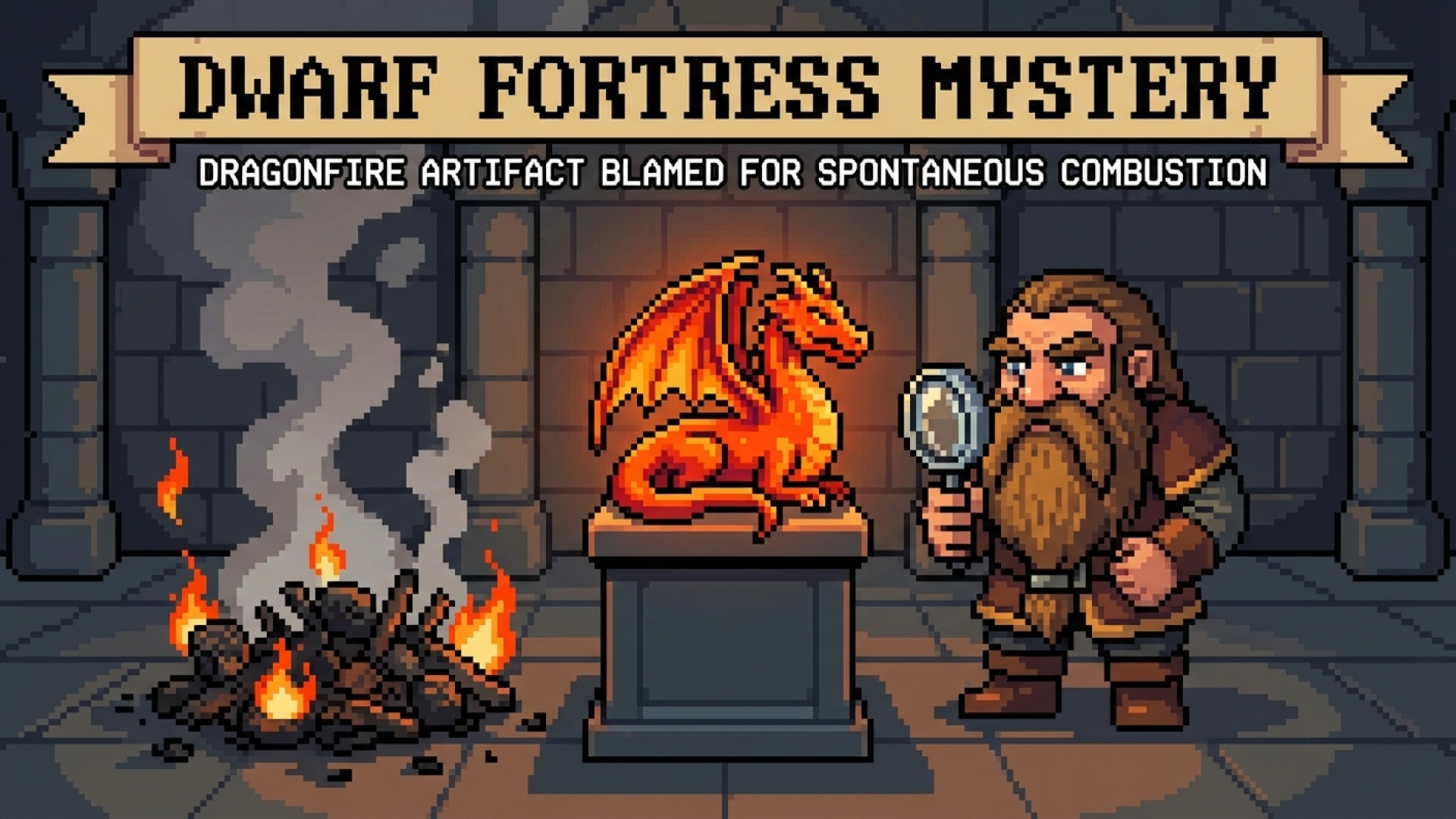
The wonders of Dwarf Fortress, much like the most complex software architectures we analyze here at Digital Tech Explorer, are products of staggering intricacy. The interplay of its fantasy simulation systems creates uniquely rich, often chaotic moments. As a storyteller who loves digging into the “why” behind digital phenomena, I’ve seen everything from traumatic baby hauntings to goblins being thrashed by their individual teeth. However, a recent discovery by one player has set the community ablaze—literally.
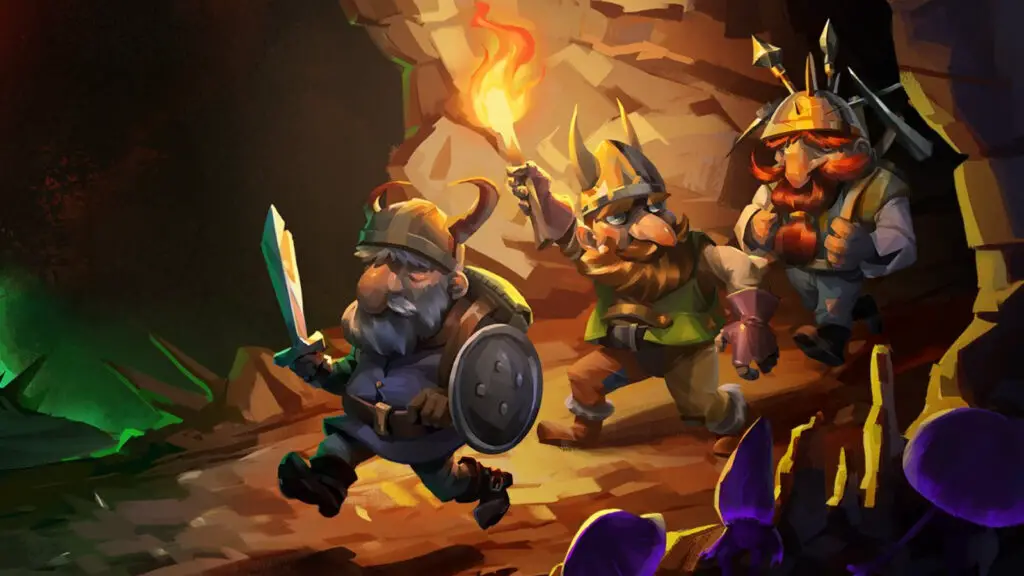
The Case of the Combusting Mercenaries
On the Dwarf Fortress subreddit, user waffle569 recently sought expert input regarding a “catastrophic event” slated to hit their save file. The problem is a classic example of simulation logic gone rogue: every time they load the save, a squad of military mercenaries returns from a mission. As soon as they re-enter the map, they spontaneously and violently burst into flames.
This isn’t just a loss of manpower. The return of the doomed unit coincides with the arrival of an elven trade caravan. The resulting explosion incinerates the elves and, more importantly for the fortress’s morale, their produce. As waffle569 noted, “I need those crops for my beer.” At Digital Tech Explorer, we understand that whether you’re debugging a script or a dwarven outpost, resource management is paramount.
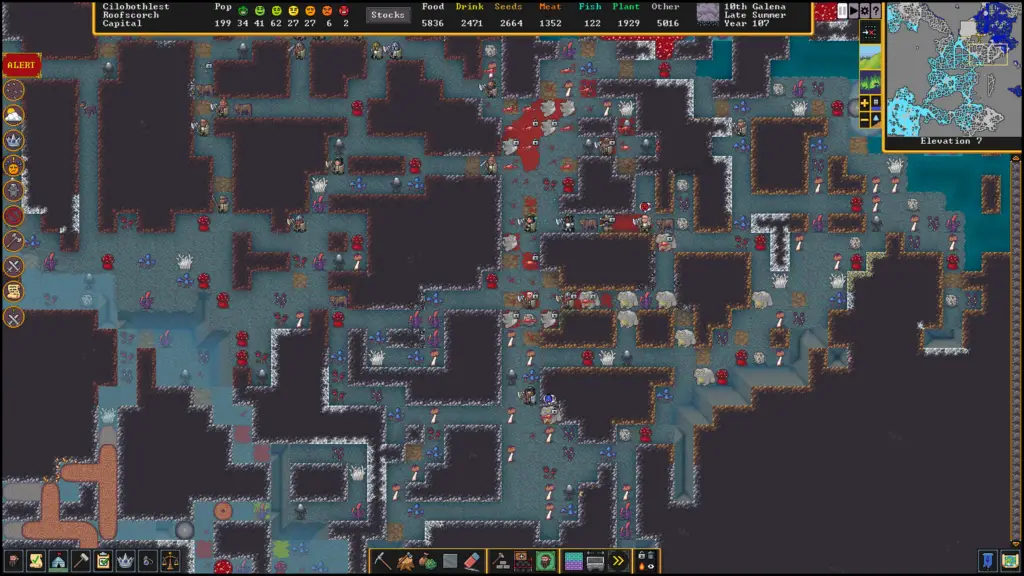
The context provided by the player reveals the depth of the game’s persistence. In this world, player fortresses and PC games history become permanent. When a fortress falls, its ruins remain. Waffle569 had dispatched this squad to salvage valuables from a ruin destroyed by a dragon’s fiery rampage a decade prior.
“My theory is that the items picked up… are still technically on fire from the first save,” waffle569 hypothesized. “And once the item enters a live game, the fire resumes.”
The Forensic Explanation: Dragonfire Artifacts
The community consensus suggests waffle569 is exactly right, but the technical reality is even more intense. The culprit is how the game handles artifacts—named, legendary items that are nearly indestructible. While they cannot be destroyed, they can be set on fire.
When the game stops simulating a region (unloading the “chunk”), item characteristics—including temperature—are cached. The simulation of those physics only resumes when the item re-enters an active play area. An artifact breathed on by a dragon doesn’t just get “hot”; it carries the properties of hardware-straining levels of thermal energy.
| Heat Source | Approximate Temperature (°F) | Impact in Dwarf Fortress |
|---|---|---|
| Surface of the Sun | 10,000°F | Standard Astrophysical Constant |
| Dragonfire | 40,000°F | Instant vaporization of organic matter |
| Magma/Lava | 2,000°F | Standard fortress hazard |
Dragonfire in this simulation burns at roughly 40,000 °F—four times the temperature of the Sun’s surface. A mercenary carrying a “dragon-warmed” artifact is essentially walking back into the base with a portable supernova. The moment they hit a “live” tile, the temperature calculations resume, flash-incinerating everything in the vicinity.
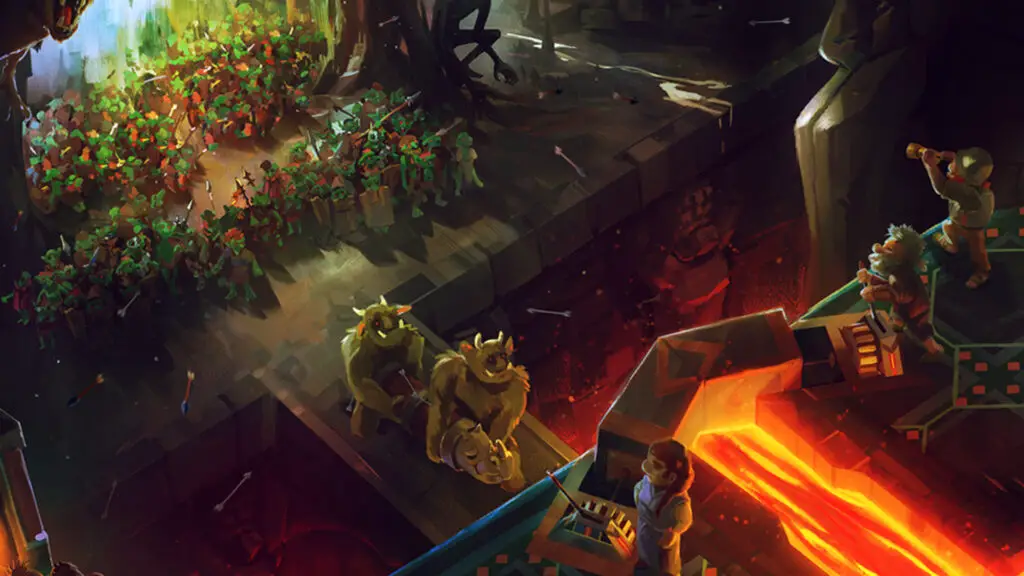
Mitigation Strategies and Lessons for Developers
How does one solve a thermodynamic disaster in 10 in-game days? Some suggest walling off the beer fields and letting the wildfire burn itself out. Others recommend a “water dump” strategy, carving ramps into a lake to quench the mercenaries the second they spawn. However, given the speed of the simulation, the “thermonuclear event” might be unavoidable.
This incident is a fascinating look at how deep-level coding and emergent gameplay intersect. It serves as a stark reminder for both players and developers: persistence in a world-sim means every variable—even heat—can come back to haunt you. If you find a legendary artifact in a dragon’s lair, you might want to check its temperature before bringing it home.
For more deep dives into the mechanics of gaming and software simulation, stay tuned to Digital Tech Explorer. I’m TechTalesLeo, and I’ll keep tracking these digital anomalies so you don’t have to burst into flames to find the answers.