
Discord recently announced significant changes requiring users to submit to a facial scan or provide government-approved ID for age verification. This shift, viewed by many in the tech community as a major privacy overstep, has sparked a renewed interest in communication alternatives. At Digital Tech Explorer, we believe in empowering users through digital sovereignty. For those looking to reclaim their privacy, one of the most robust tools in history is still standing: Internet Relay Chat, or IRC.
As a storyteller who has watched the digital landscape evolve, I can tell you that these challenges to our digital freedom aren’t new. However, the solution might be older than you think. IRC has been a staple of the internet for decades, and as we navigate an era of increasing surveillance, its decentralized nature is more relevant than ever.
Understanding Internet Relay Chat (IRC)
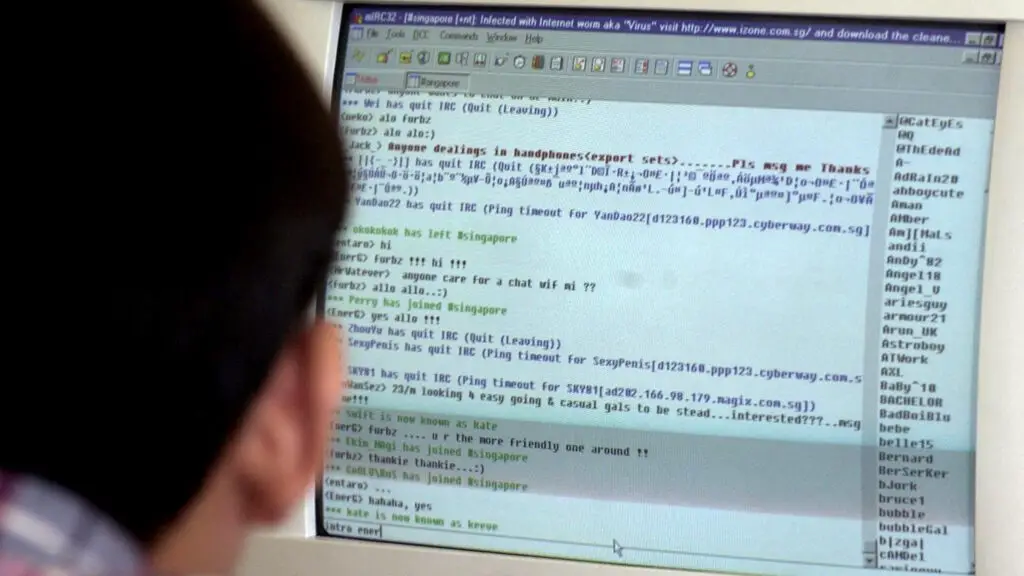
Created in 1988, IRC is a purely text-based communication protocol. It reflects an era of software engineering focused on efficiency and simplicity. You won’t find native video chat or integrated social feeds here. Instead, it offers a clean, command-line interface designed for real-time text conversation and community building.
The primary strength of IRC lies in its decentralized architecture. Unlike Discord, which is a centralized platform owned by a single corporation, IRC is a protocol. This means no single entity dictates global rules for content or behavior across every server. Each network has its own policies; if you don’t like the rules on one, you can move to another or even host your own server. This transparency and user control are core values we champion here at Digital Tech Explorer.
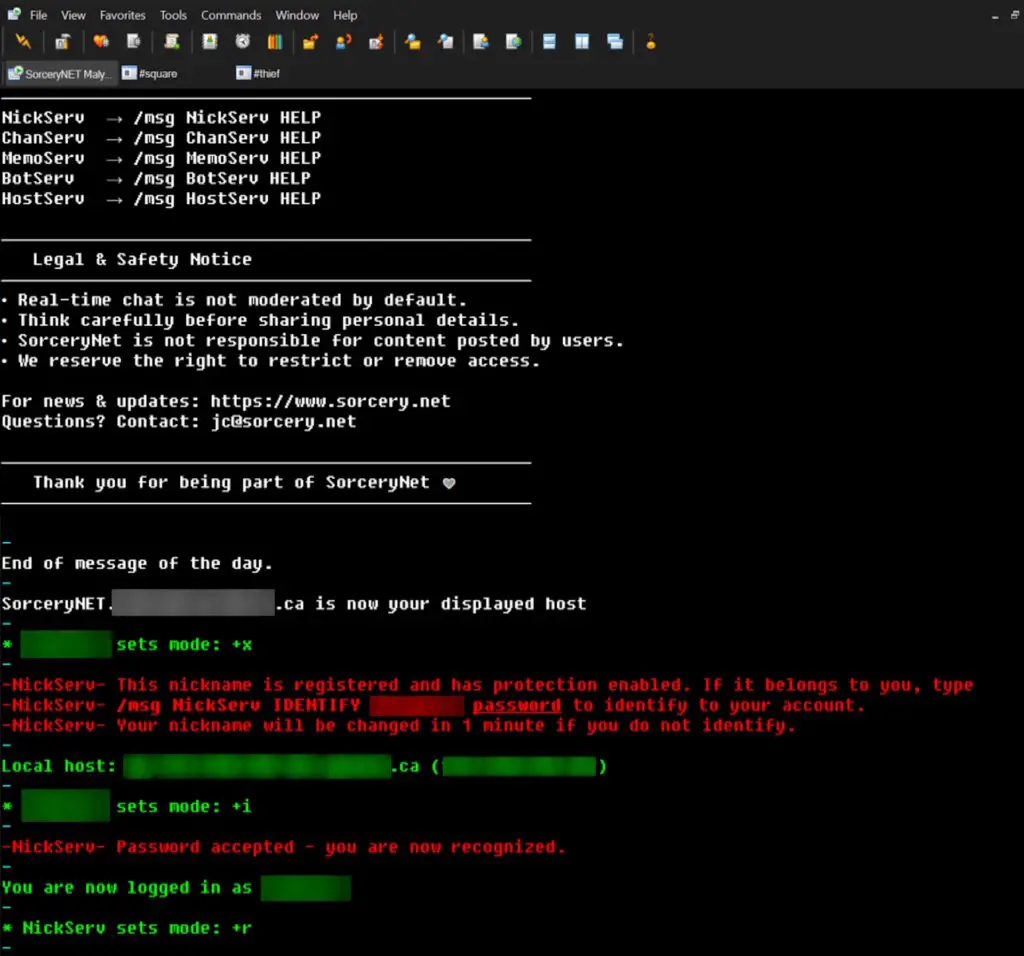
Navigating IRC requires a basic understanding of its command structure. Below is a quick-start guide to the essential commands you’ll need to begin your journey into decentralized chat.
| Command | Function |
|---|---|
/SERVER [hostname] |
Connects you to a specific IRC server. |
/JOIN #[channel] |
Enters a specific chat room (channels always start with #). |
/NICK [name] |
Changes your display handle or username. |
/MSG NICKSERV ID [password] |
Identifies you to the server if you have a registered nickname. |
/PART #[channel] |
Exits the specified channel while staying connected to the server. |
/WHOIS [nickname] |
Displays detailed information about another user. |
/PING [nickname] |
Tests the connection latency between you and another user. |
Streamlining the Experience with mIRC
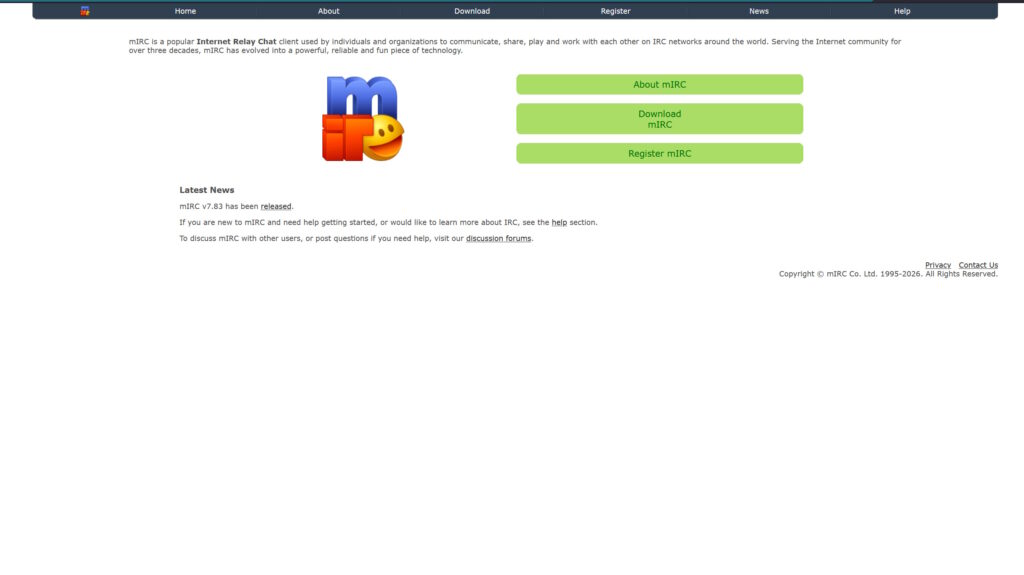
While you can use IRC via a terminal, most users prefer a dedicated client to bridge the gap between complex code and usability. Since its release in 1995, mIRC has been the gold standard for Windows users. Developed and still maintained by Khaled Mardam-Bey, mIRC provides a graphical interface that makes the protocol much more accessible.
With mIRC, most common tasks become clickable buttons rather than typed commands. Furthermore, it features a powerful scripting language, allowing developers and enthusiasts to automate tasks, create bots, and customize their chat environment to a degree that modern platforms simply don’t allow. It is a prime example of software that puts the user in the driver’s seat.
The Importance of Digital Sovereignty
In 2026, is IRC the right choice for everyone? Likely not. Its learning curve and text-only focus can feel anachronistic in a world of high-definition video calls. However, the existence of these alternatives is vital. As we see a rise in heavy-handed “online safety” legislation and corporate data harvesting, tools that prioritize decentralization act as a necessary safety net.
At Digital Tech Explorer, we encourage you to look beyond the mainstream “walled gardens.” Whether it is IRC for chat or TeamSpeak for high-quality voice communication, these tools remind us that the internet was built to be open. Having a backup plan for decentralized communication isn’t just a tech hobby—it’s a prudent step toward maintaining your digital privacy.
If you’re interested in the deep history of how we used to connect, check out “The Serial Port” on YouTube. It serves as a virtual museum for tech enthusiasts, showcasing what real-time communication looked like before the age of data tracking and facial recognition.