Welcome to Disk Cleanup, our regular weekend series here at Digital Tech Explorer, where we delve into the systems and stories of the industry’s most influential creators. Each week, our resident storyteller TechTalesLeo explores the personal PCs of gaming luminaries to uncover their habits, from desktop clutter to the “forever games” they can’t bring themselves to delete.
Narrative Designer Cara Ellison
This week, we sit down with Cara Ellison, a narrative designer whose journey began with a BBC Micro and the 1987 narrative adventure Acheton. After a successful career in games journalism, Ellison transitioned to development, crafting narratives for acclaimed titles such as Dishonored 2, the comedic immersive sim Void Bastards, and more recently, God of War: Ragnarok. Currently, she is lending her expertise to Sleight of Hand—a deckbuilding stealth game—and serving as senior narrative designer at the independent studio Gravity Well Games.
What game are you currently playing?
I have been obsessed with the demo for Titanium Court. The writing is incredible—reminiscent of Douglas Adams in its wit and satirical edge. While it’s set in a fantasy world supposedly inspired by A Midsummer Night’s Dream, it creates a unique identity all its own.
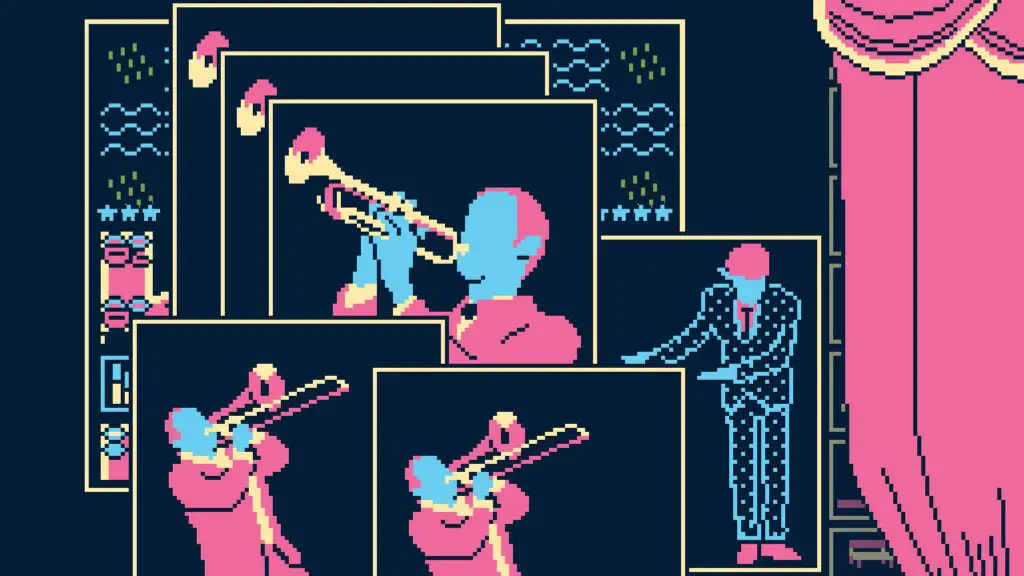
The intricate, conceptual art of Titanium Court.
The presentation starts with a Dwarf Fortress-style aesthetic—minimalist pixels that require your imagination to fill in the gaps. It blends narrative storytelling through a text box with a strategic match-three mechanic centered around a castle. It feels like one of those intricate, handcrafted gems that will eventually be considered an all-time classic.
What was the previous game you played, and is it still installed?
That would be Routine. I’ve been following this project since my journalism days because of its unique approach to environment design. In many modern PC games, environments can feel sterile or “plasticky,” as if they were fresh off a factory line.
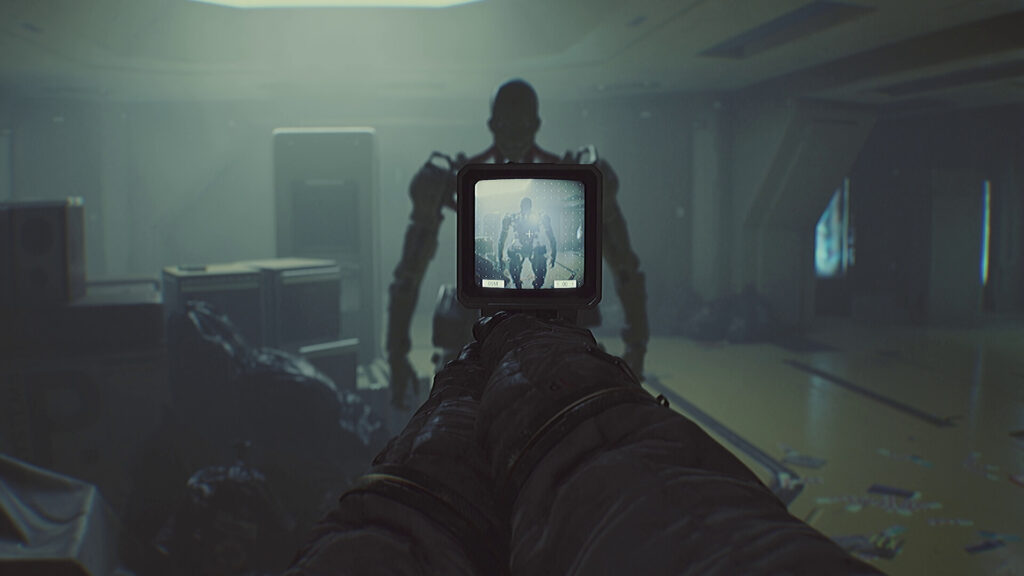
Routine’s lived-in, grimy sci-fi aesthetic is inspired by Blade Runner.
Routine captures that “lived-in” feeling found in Ridley Scott’s Blade Runner—sanding off the clean edges often seen in Unreal Engine projects to create something organic and grimy. However, I hit a wall during an encounter with a robot, similar to the tension in Alien Isolation. I set it aside to look up a strategy and simply got distracted by other projects, but it’s still sitting there, waiting for me to return.
What is the oldest game currently installed on your PC?
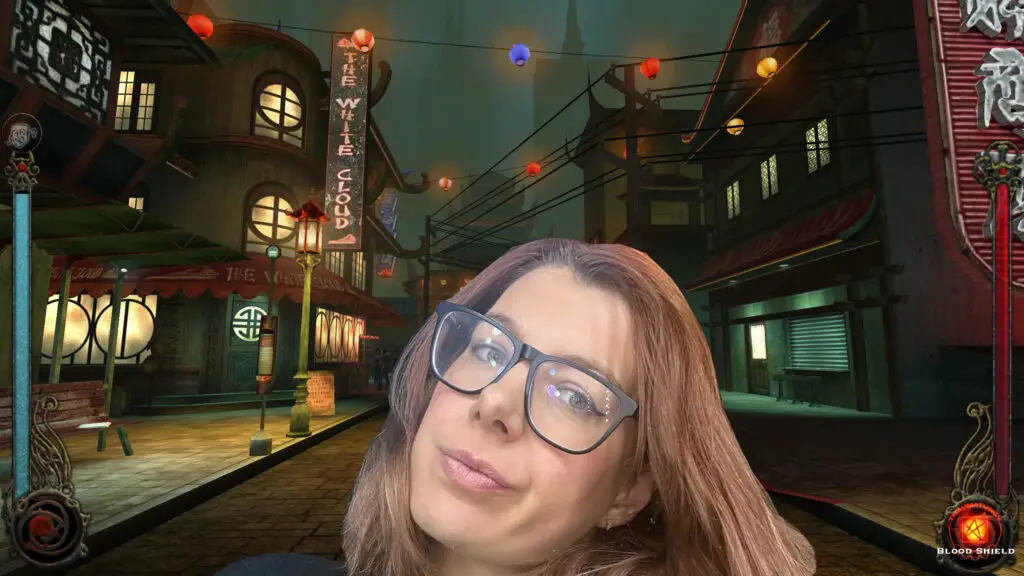
The original Vampire: The Masquerade—Bloodlines. Getting this game to run on modern hardware is a labor of love involving patches and constant fiddling. Once you have it working, you never want to uninstall it because you don’t want to go through that setup process again.
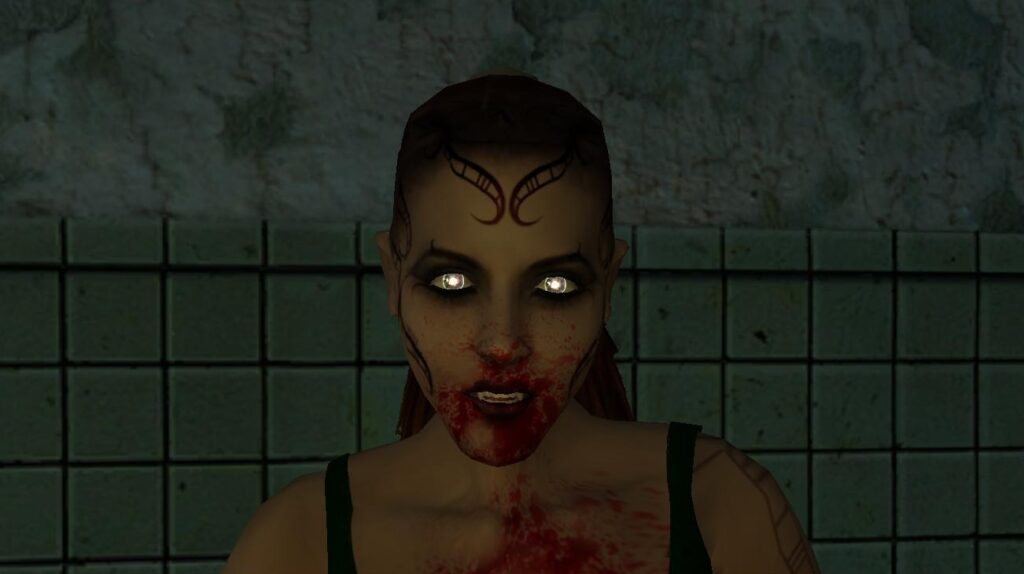
Bloodlines remains a masterclass in gothic atmosphere.
There are three things that make Bloodlines legendary. First, the atmosphere is a perfect “industrial goth” recreation of LA. Second, the voice acting is stellar, featuring talents like Courtenay Taylor and Phil LaMarr. Finally, the conversational animations—while slightly exaggerated—feel incredibly expressive and real, even compared to modern tools like MetaHuman.
What is the highest number of hours you have in a game on Steam?
My stats are a bit skewed due to my time as a journalist. I have 103 hours in Kentucky Route Zero. Much of that time was spent replaying sections for research. I wrote several columns exploring the game’s deep references to architectural literature, philosophy, and theater. It’s a game that demands that level of deep immersion.
What game will you never, ever uninstall?
Sunless Sea. I have it on my work and personal machines, though I’m still trying to find a way to make it work on Steam Deck. I love the “fog of war” and the ship’s economy mechanics. There is a specific Zee-Bat mechanic that helps you find ports, which adds such a great sense of discovery.
From a gaming design perspective, it’s a masterclass in preserving mystery. In AAA development, there’s often pressure to over-explain everything to the player. But Sunless Sea understands that the designer’s real job is to make the player want to find out what’s happening, rather than just delivering information.
What non-gaming software is essential to your workflow?
I write almost all of my scripts in Scrivener. I used it for Void Bastards and Ghost Town because it organizes complex text beautifully and exports to actor-friendly screenwriting formats.
It’s a bit of a tragedy that major game engines like Unreal don’t ship with native narrative tools. While sound designers have standardized tools like Wwise, narrative designers are often left to find their own solutions. Scrivener bridges that gap for me.
How tidy is your desktop screen?
I try to separate business from leisure, but it’s definitely cluttered with project-specific icons. I have everything from the Bloodlines official patch to exported scripts for Sleight of Hand and older projects from my time at Netflix.
A glimpse into the workspace of a narrative designer.
My wallpaper is a screenshot from Hitchcock’s Vertigo. When I’m working on horror or high-tension sequences, I look to Hitchcock or early Spielberg. They are masters of showing you a disaster that is about to happen and making you wait for it. That structural tension is something I’m constantly thinking about in my current work at Gravity Well.
For more deep dives into the technology and stories shaping the industry, stay tuned to Digital Tech Explorer.