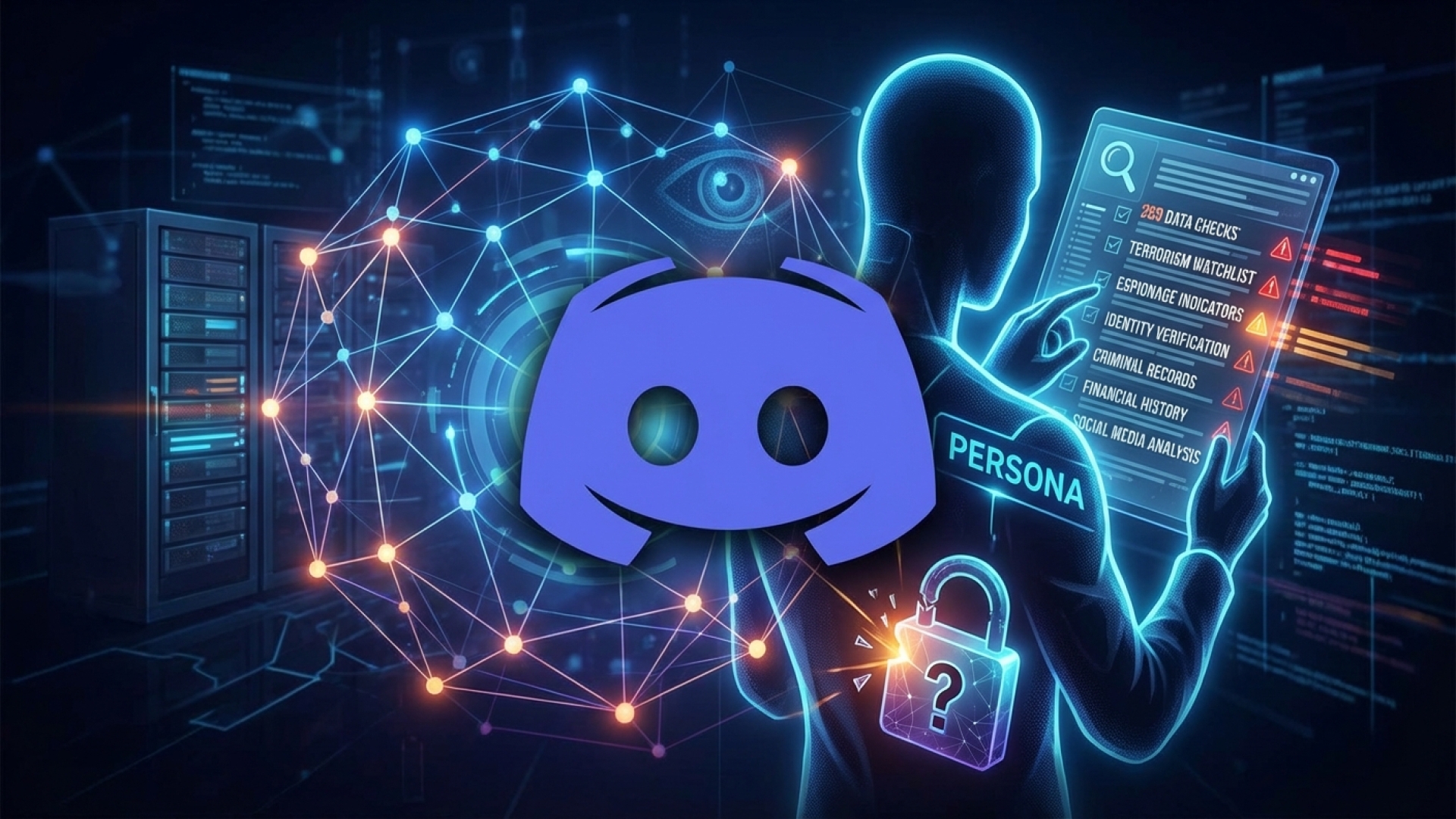
The recent rollout of Discord’s age verification system has ignited a firestorm of criticism within the tech community. As users become increasingly protective of their digital footprints, many are pivoting toward more privacy-focused alternatives. At Digital Tech Explorer, we’ve been tracking this story closely, especially as it evolved from a simple compliance update into a complex narrative involving experimental data handling and third-party surveillance connections.
The Discord logo is displayed on a smartphone screen and on a computer screen in Athens, Greece, on April 17, 2024. (Photo Illustration by Nikolas Kokovlis/NurPhoto via Getty Images)
Persona’s Controversial Infrastructure
The controversy gained momentum when UK users discovered they were part of an unannounced “experiment” conducted via Persona, a third-party identity provider. For those of us following AI trends and data security, the red flags were immediate. Persona’s lead investor is a venture fund co-founded by Peter Thiel, the billionaire behind Palantir—a firm synonymous with government surveillance and mass data processing.
The link between a casual gaming communication platform and a surveillance-adjacent entity caused immediate friction. Following a wave of public pushback, Discord eventually confirmed that its “limited test” with Persona had concluded, but the incident left a lingering question: where exactly is our data going?
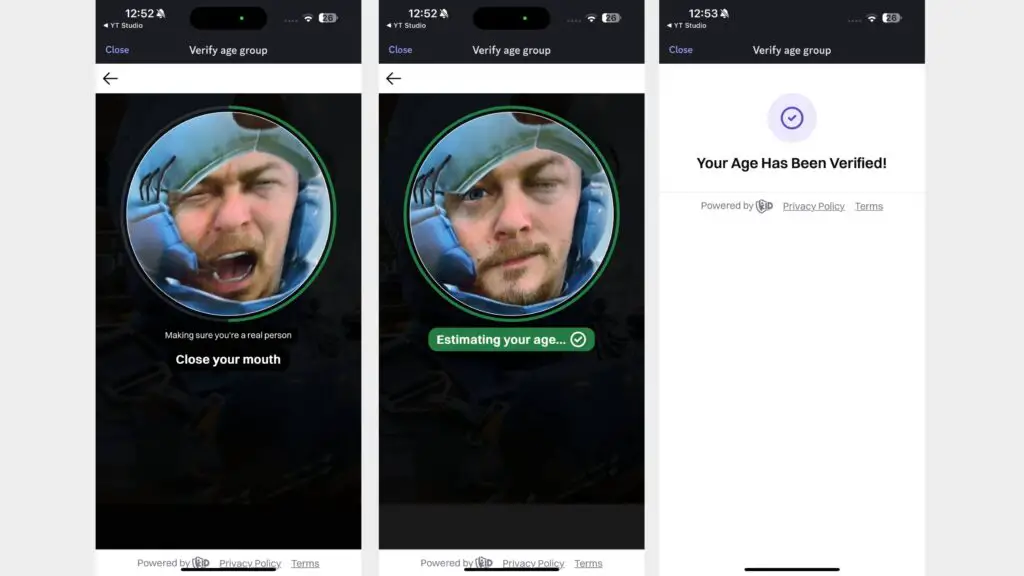
The process for verifying your age on Discord using Death Stranding
A Major Security Breach Unveiled
The situation transitioned from a privacy debate to a security crisis when three independent security researchers discovered an exposed Persona frontend on a US government-authorized server. What started as passive reconnaissance quickly unmasked a deep integration of commercial machine learning models with federal operations.
The researchers found 53 megabytes of unprotected source maps. This leak wasn’t just a surface-level glitch; it contained 2,456 source files that detailed:
API endpoints and unauthenticated permissions.
Compliance rules for filing Suspicious Activity Reports (SARs) with FinCEN.
Screening algorithms for identifying individuals across 14 categories, including espionage and terrorism.
Person typing on a laptop with red and blue lighting
Technical Analysis: The Scope of Verification
The depth of the data collection is staggering. The leaked files revealed that the verification program executes nearly 270 individual checks to validate a single user. To provide a clearer picture of the scrutiny involved, here is a breakdown of the primary verification functions discovered:
Verification Type
Functional Purpose
SelfieSuspiciousEntityDetection
Utilizes facial recognition to cross-reference selfies against global watchlists.
Adverse Media Screening
Scans for user mentions in 14 categories, including terrorism and financial crimes.
API Endpoint Mapping
Direct communication links between commercial frontends and government-authorized servers.
Compliance Algorithm
Automated logic for filing SARs with the Financial Crimes Enforcement Network (FinCEN).
Why This Matters for the Tech Community
While the industry often justifies age verification as a necessary hurdle to protect minors, the “Persona leak” illustrates a far more invasive reality. The potential value of facial recognition data and the opaque nature of “suspicious face” criteria mean that a simple ID check could theoretically place a user into a permanent surveillance database.
As TechTalesLeo, I believe storytelling in tech is often about finding the hidden “why” behind the software we use. This leak serves as a stark reminder that we must remain vigilant. This incident underscores why Digital Tech Explorer advocates for transparency: when you hand over your personal data to an app, you aren’t just trusting that app—you are trusting every third party, investor, and server they are connected to.
In an era where blockchain and decentralized identities offer safer paths forward, the reliance on centralized, surveillance-linked providers like Persona remains a significant risk for the modern digital citizen.