
In the world of PC gaming, the bridge between your hardware and the worlds you explore is built on graphics APIs. For years, Microsoft’s Direct3D has been the standard-bearer for this communication, and the latest release of D3D12 marks a significant evolution. With the introduction of Shader Model 6.9, developers are gaining access to tools that promise to squeeze more efficiency out of every frame, turning complex mathematical calculations into the fluid, lifelike visuals we crave at Digital Tech Explorer.
DirectX Raytracing 1.2: A New Standard for Efficiency
The headline features of Shader Model 6.9 revolve around DXR (DirectX Raytracing) 1.2. Specifically, Microsoft has formalized the inclusion of HLSL (High-Level Shader Language) commands for opacity micromaps and shader execution reordering (SER). While these technologies have been buzzwords in the industry for a short while, their official standardization within the Direct3D framework is a game-changer for hardware longevity and cross-platform development.
| Feature | Primary Function | Impact on Performance |
|---|---|---|
| Opacity Micromaps | Optimizes ray tracing for transparent/translucent textures (like foliage). | Reduces ray shader overhead in complex environments. |
| Shader Execution Reordering | Organizes divergent workloads to execute in parallel. | Maximizes GPU efficiency and data cache access. |
Maximizing the Power of Modern GPUs
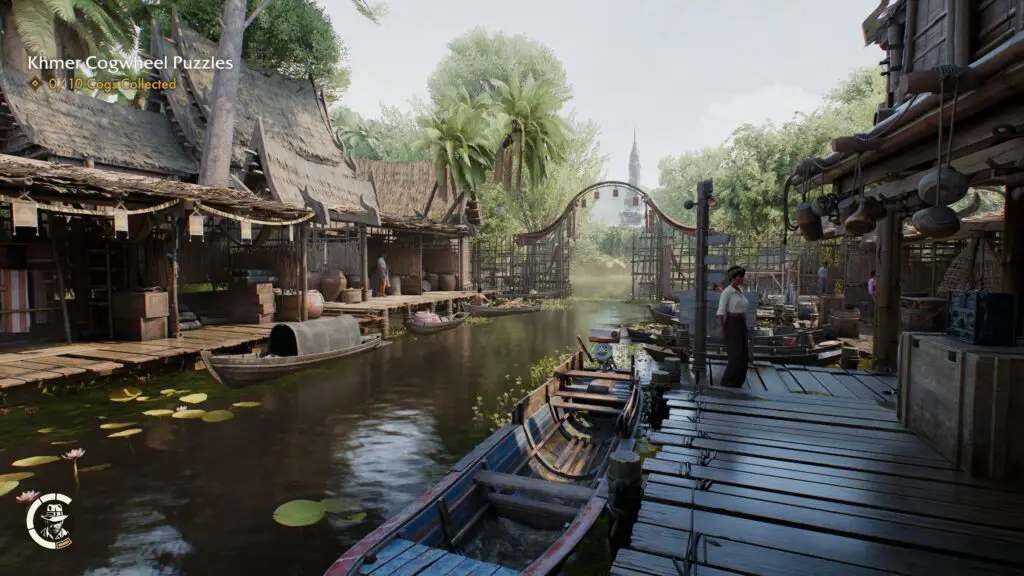
Currently, these advanced features are most prominent in Nvidia’s latest architecture. If you are running an RTX 40 or 50-series GPU, you are already seeing the benefits of these updates in high-fidelity PC games. Titles like Alan Wake 2 and Indiana Jones and the Great Circle utilize these technologies to deliver path-traced environments that were once thought impossible for real-time rendering.

Opacity micromaps are particularly clever; they help the GPU skip unnecessary calculations when dealing with complex, semi-transparent objects like leaves or chain-link fences. Meanwhile, SER acts like a high-speed traffic controller for the graphics processor. By reordering shader tasks to ensure the GPU isn’t “waiting” on mismatched workloads, it ensures the silicon is constantly working at peak efficiency.
Standardization: The Road Ahead for AMD and Intel
While Nvidia has led the charge with custom implementations of these features, the move to include them in the official Direct3D API is excellent news for the entire ecosystem. It provides a unified roadmap for AMD Radeon and Intel Arc. As future hardware generations are designed to support Shader Model 6.9, developers will be able to write a single path of code that works across all vendors, leading to better optimization and fewer “Nvidia-only” or “AMD-only” visual features.
At Digital Tech Explorer, we believe these behind-the-scenes refinements are just as important as flashy new hardware launches. For the average gamer, Shader Model 6.9 means more stable frame rates and more immersive worlds. For the developer, it means a more flexible toolkit to push the boundaries of digital storytelling. As TechTalesLeo, I’ve seen many iterations of DirectX, but this focus on hardware efficiency suggests a future where high-end visuals are more accessible than ever before.
Affiliate Disclaimer: Some of the links on Digital Tech Explorer are affiliate links. This means we may earn a commission if you click through and make a purchase, at no additional cost to you. Our recommendations are based on thorough research and personal experience. All content is for informational and entertainment purposes only.