
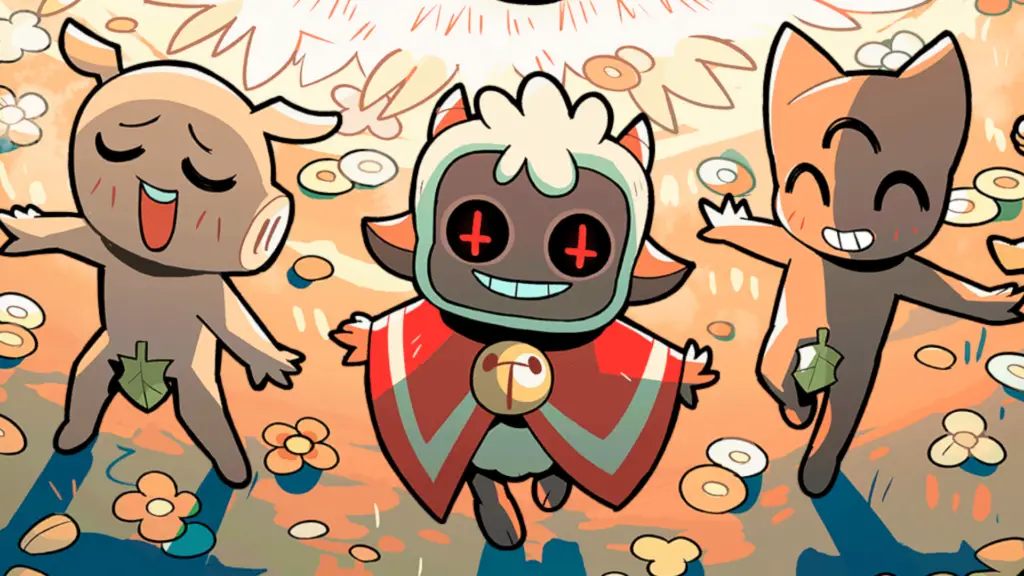
At Digital Tech Explorer, we’ve always believed that the most disruptive innovations don’t always come from the biggest labs or the most funded studios. Over the last decade, the gaming landscape has been fundamentally reshaped by smash hit indie games. These projects serve as the creative heartbeat of the industry, offering players profound narratives and experimental mechanics that AAA gaming giants often hesitate to touch. One standout example is Cult of the Lamb—a title from a small team that exploded into a global phenomenon, earning both critical acclaim and a devoted following.

“I think we definitely had an idea that people were going to like Cult of the Lamb and it was going to be a success, but I think it would have been mad to assume that it would have got the level of success that it did get,” says James Pearmain, Art Director at Massive Monster.
The Evolving Landscape: AAA vs. Indie Innovation
The financial disparity in current game development is staggering. We are seeing PC games with budgets exceeding $200 million, forcing developers to set premium price points just to break even. Pearmain notes that while these blockbuster titles offer high-fidelity experiences, indie titles are often delivering comparable amounts of content—and sometimes even better emotional resonance—at a fraction of the cost.
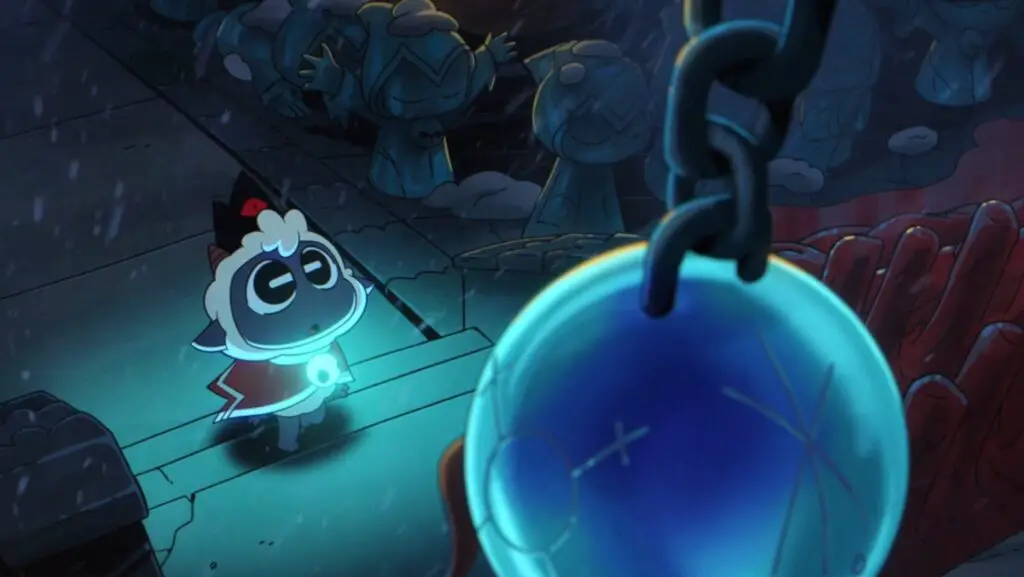
In my own rotation of PC games, the variety is telling. Alongside heavy hitters like Fallout 76 or Deadlock, my Steam library is consistently dominated by indie mainstays. Titles like Stardew Valley, Lethal Company, and SCP: Secret Laboratory have incredible staying power. Even Cult of the Lamb continues to evolve, with the Woolhaven expansion providing fresh reasons for players to return to their cultist roots.
Part of the magic for any tech enthusiast or gamer is the unpredictability. You never truly know when the next viral hit will emerge to disrupt the market. However, in an industry currently facing layoffs and shifting priorities, it’s natural for developers and fans alike to feel some trepidation about the future of creative risk-taking.
The Mystery of Viral Success
“It’s really hard to sort of tell what’s going to happen,” Pearmain explains. “I don’t know if [releasing an indie game] is necessarily harder. Our friends over at Aggro Crab just sold a ridiculous amount of copies with Peak. Even as an established studio, that level of success took them by surprise.”
The sentiment is that certain games simply resonate with the cultural zeitgeist at the perfect moment. For example, Schedule 1 became one of the breakout 2024 releases by offering something that felt genuinely new. Developers of the multiplayer climbing sim Peak have frequently mentioned that they couldn’t have predicted how quickly their community would grow.
Conversely, success isn’t always a straight line. Landfall, a team with a fantastic track record, saw a different trajectory with Content Warning compared to Peak. While Content Warning has a dedicated player base—myself included—it didn’t capture the same lightning-in-a-bottle momentum as its counterparts. This unpredictability proves that even with great design, the player reaction remains the ultimate wild card.
Why the Future of Indie Tech is Bright
Despite the challenges, the outlook for indie development remains optimistic. As big-budget gaming experiences become more iterative and risk-averse due to their high costs, the indie scene remains the primary sandbox for digital innovation. A single developer with a unique vision can still create something that reaches millions because the barrier to entry—while still high—allows for lower-risk experimentation compared to the $200 million behemoths.

As Pearmain concludes, “I think that’s where the really interesting stuff comes from, and I think players really respond to that. I don’t think those days have gone at all. I think there’ll be plenty more indie smash hits, and I can’t wait to play them.” At Digital Tech Explorer, we’ll be here to cover every breakthrough, ensuring you stay ahead of the curve in the world of tech and play.
For more stories on digital innovation and product deep-dives, visit the TechTalesLeo author page.