

As we navigate the ever-evolving landscape of digital innovation, even the most trusted tools in a developer’s or gamer’s arsenal can become vectors for risk. Here at Digital Tech Explorer, we prioritize your system’s integrity through thorough research and real-world testing. Today, we are sharing a critical security narrative that every hardware enthusiast needs to hear.
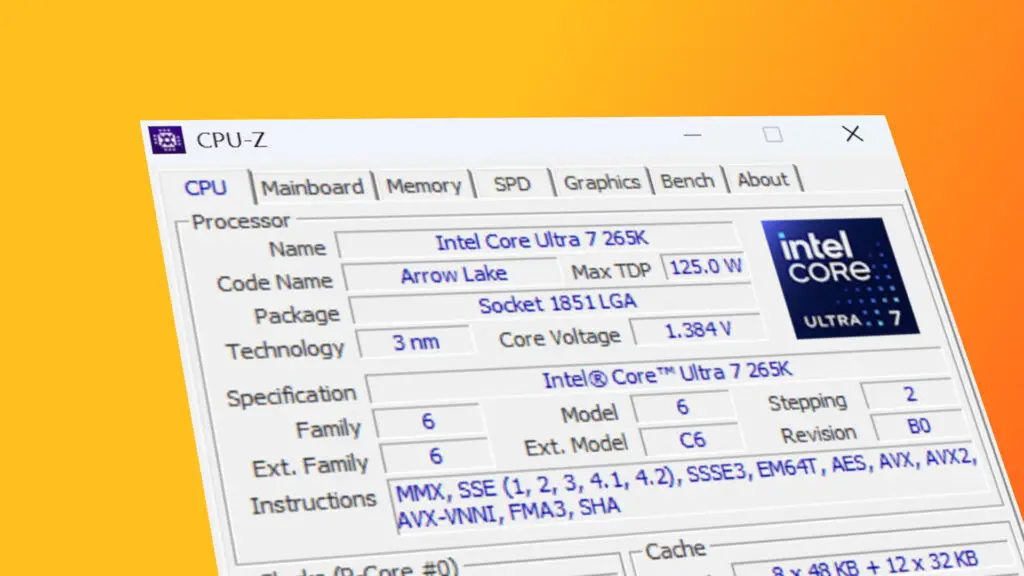
A significant security alert has been issued regarding the official download infrastructure for CPU-Z and HWMonitor. These utilities are staples for anyone monitoring 4K gaming rigs or testing the latest GPU performance. However, vigilant users on Reddit and security researchers at vx-underground have confirmed that the CPUID website has been compromised, redirecting unsuspecting users to sophisticated malware.
The Anatomy of the Compromise
The attack is particularly deceptive because it originates from the legitimate CPUID domain. When users attempt to download hardware monitoring software, they are served corrupted files with suspicious characteristics. The installers often feature Russian language settings and altered naming conventions that should immediately raise red flags.
For example, a request for “hwmonitor_1.63.exe” might return a file named “HWiNFO_Monitor_Setup.exe.” This specific mislabeling has caused undue concern for fans of HWiNFO. To clarify for our readers: HWiNFO is not affected by this incident; the attackers are simply using its name to mask their malicious payload.
A Deeply Trojanized Threat
This isn’t your run-of-the-mill virus. Security experts describe the malware as “deeply trojanized,” employing advanced techniques to bypass modern defenses. At Digital Tech Explorer, we track AI-acceleration and security trends, and this specific threat is a masterclass in evasion.
| Feature | Malware Behavior |
|---|---|
| Distribution | Directly via compromised legitimate domains (CPUID). |
| Execution | Operates primarily in-memory to avoid disk-based detection. |
| Evasion | Proxies NTDLL functionality from a .NET assembly. |
| Target | Users seeking system information and hardware diagnostics. |
By running almost entirely in-memory and proxying core system functions, the malware can slip past many Endpoint Detection and Response (EDR) systems and traditional anti-virus software that tech professionals rely on.
A Persistent Adversary
The group behind this breach has a documented history of targeting essential software. In early March 2026, they utilized similar tactics to compromise FileZilla. Their strategy of hijacking trusted domains suggests a well-funded and organized operation. This pattern indicates that other popular utilities could be next, making it vital for the tech community to remain alert.
Digital Tech Explorer’s Guide to Safe Downloads
To help our community of developers and enthusiasts stay ahead of these trends, we recommend the following safety protocols:
- Multi-Layered Protection: Use high-quality anti-malware solutions that feature heuristic analysis, not just signature-based detection.
- Mandatory Scans: Even if a file comes from a “trusted” site, scan it before execution. Tools like VirusTotal can provide a second opinion from multiple engines.
- Verify Signatures: Check the digital signature of the installer. Legitimate software from CPUID should be signed by a verified publisher. If the signature is missing or belongs to an unknown entity, do not run the file.
- Community Vetting: Follow trusted tech narratives and real-world reports to identify compromises before you click download.
While the team at CPUID works to secure their servers, we urge you to exercise extreme caution. Protecting your gaming assets and personal data is a full-time job in the digital age.
Disclaimer: All content on Digital Tech Explorer is for informational and entertainment purposes only. We do not provide financial or legal advice. Some of the links on Digital Tech Explorer are affiliate links; we may earn a commission if you click through and make a purchase, at no additional cost to you.