

For investors and hardware enthusiasts following Corsair, the latest financial disclosures for the 2025 fiscal year tell a fascinating story of resilience. While much of the PC hardware industry has spent the last year navigating “gloom and doom” headlines, Corsair appears to have found its wind. Through a combination of strategic inventory management and a dominant position in the high-performance memory market, the company has sailed through uncertain economic seas with surprising agility.
In its recent financial statement, Corsair leadership highlighted their ability to navigate a constrained global semiconductor market. By securing a steady supply of DRAM chips amid robust global demand, the brand has reinforced its leadership in the enthusiast memory sector—a move that has kept stakeholders optimistic despite broader market volatility.
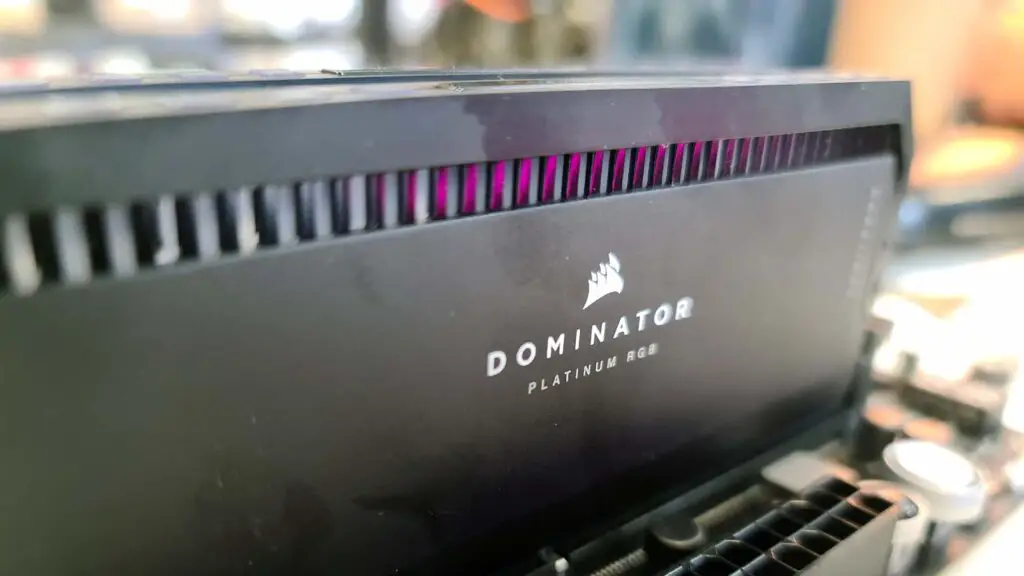
Peeling Back the Numbers: Corsair’s 2025 Financial Overview
At Digital Tech Explorer, we believe in looking beyond the surface-level figures. Corsair reported a substantial net revenue of $1.47 billion for 2025. However, the narrative becomes more complex when looking at the bottom line: once the bills were settled, the company reported an overall net loss of $16 million. To understand how a company can rake in billions yet end up in the red, we need to look at the performance of its individual divisions.
| Division | Net Revenue (2025) | Gross Profit | Growth vs. 2024 |
|---|---|---|---|
| Gamer and Creator Peripherals | $472 Million | $192 Million | +4% Revenue / +6% Profit |
| Gaming Components and Systems | $980 Million | $232 Million | +16% Revenue / +60% Profit |
Division Performance: Peripherals vs. Components
Corsair’s revenue flows from two main streams. The ‘Gamer and Creator Peripherals’ segment includes the tactile gear we use daily—keyboards, headsets, and the popular Elgato Stream Decks. Meanwhile, the ‘Gaming Components and Systems’ division covers the heavy lifting: pre-built PCs, power supplies, cases, cooling solutions, and the high-speed memory that originally put Corsair on the map.
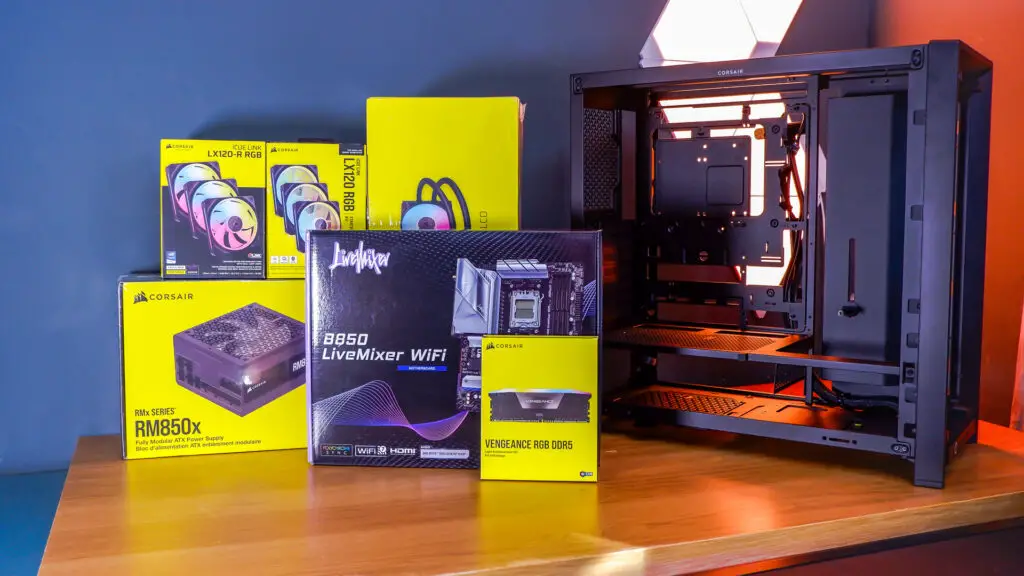
The components sector was the undisputed star of the year. While its $980 million revenue represented a respectable 16% increase over 2024, the gross profit exploded by 60%. This surge was even more pronounced in the final quarter of 2025, where gross profits for components and systems outperformed the previous year by a staggering 86%.
Why Memory Sales Are Fueling the Profit Surge
The data suggests that Corsair found a “sweet spot” in the hardware market during the final three months of the year. The company was able to command high prices for its products while keeping manufacturing and part costs relatively low. The likely culprit? DRAM inventory management.
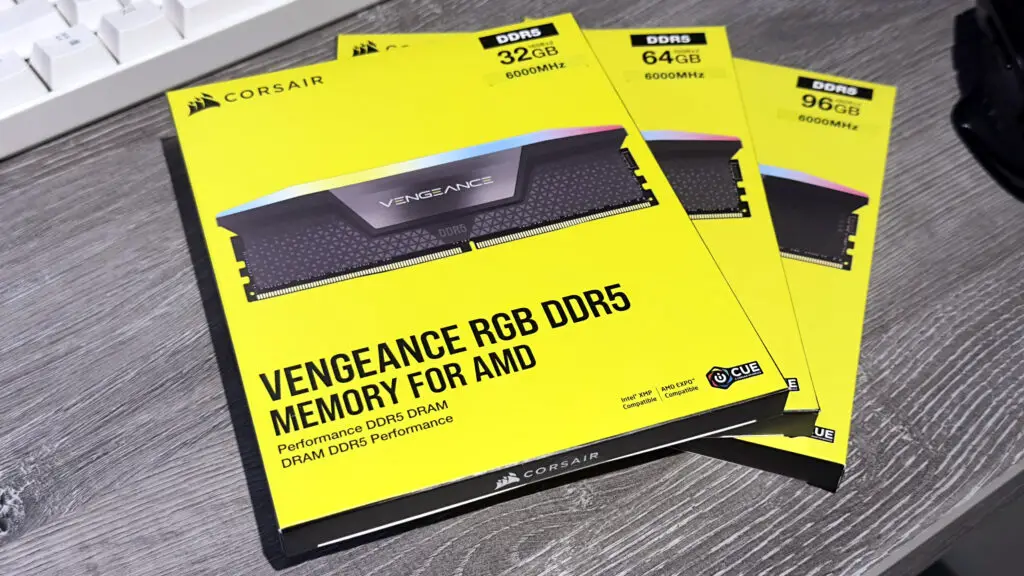
As a leading memory vendor, Corsair likely secured a massive inventory of DRAM chips before the recent market-wide price hikes took effect. Consequently, while the retail price of DDR5 sticks soared, Corsair’s cost of goods remained stable, leading to exceptional margins. For instance, a 32 GB DDR5-6000 Vengeance kit that cost $101 just two quarters ago recently hit a price point of $412—a massive 308% increase.
Understanding the $16 Million Loss
If the memory business is booming, why did Corsair report an overall loss? It comes down to the sheer scale of the company’s overhead. Despite $1.47 billion in revenue, the cost of generating that revenue ($1.05 billion) and high operating expenses ($423 million) squeezed the final results. In the world of digital innovation and global logistics, even high-margin hardware can be weighed down by the costs of research, development, and international shipping.
The Road Ahead: Outlook for 2026
Looking forward, Corsair is projecting a more conservative 2026. Management expects total revenue to dip by approximately 5%. While they anticipate double-digit growth in the Gamer and Creator Peripherals segment, they are bracing for a “cautious” year in Gaming Components and Systems due to ongoing semiconductor shortages.
As TechTalesLeo, I’ve seen many tech giants pivot during these cycles. Corsair has explicitly stated it will focus on “margin expansion, cost discipline, and tighter working capital management.” While this might mean internal restructuring or job losses in the coming years, the company’s ability to capitalize on market trends suggests they will remain a dominant force in the PC gaming landscape. Expect Corsair to continue leaning heavily on its memory products to carry the weight while they wait for the broader component market to stabilize.