
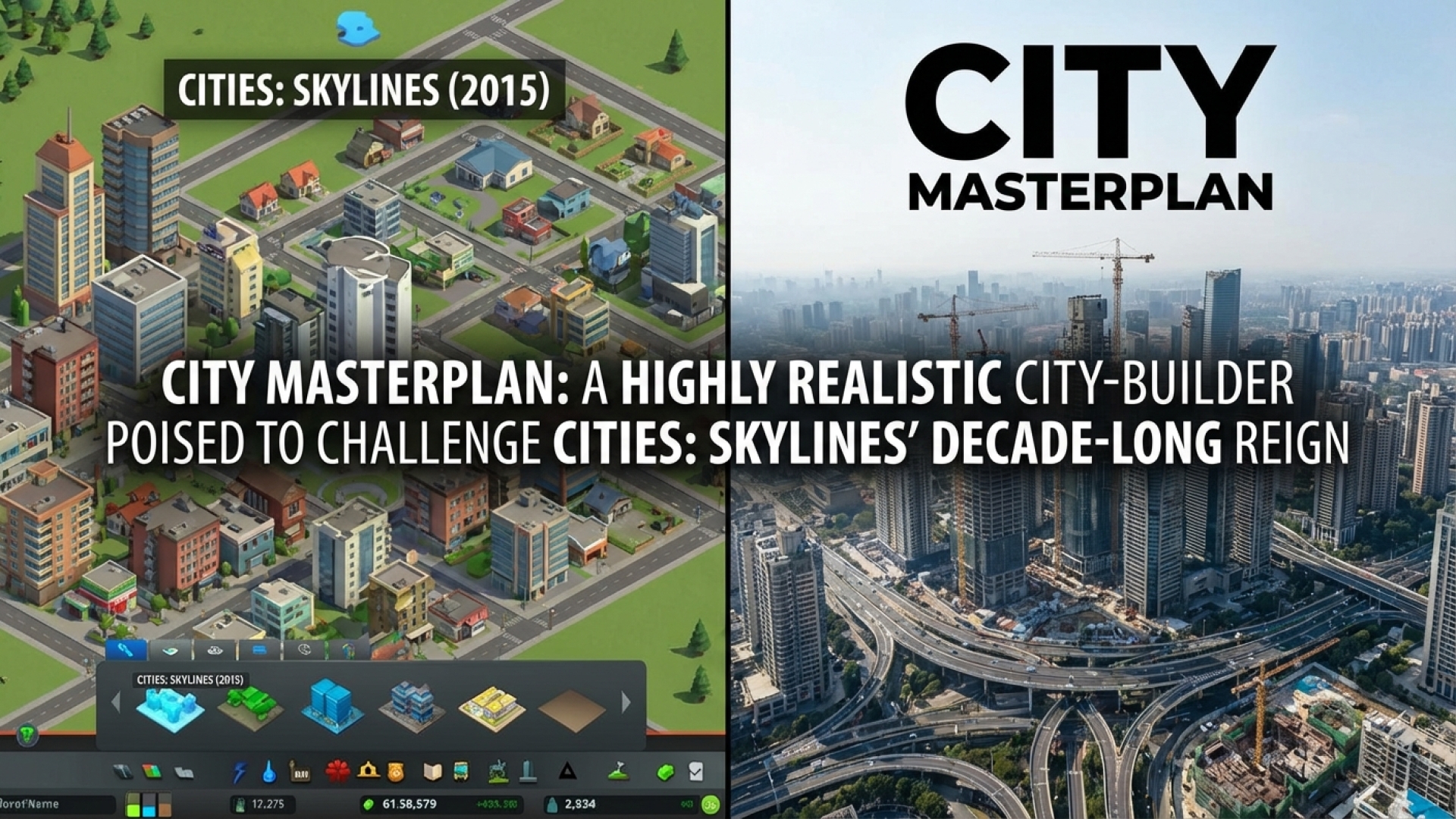
Steam’s digital landscape is currently teeming with weird and wonderful city-builders, ranging from survival-focused outposts to cozy village simulators. Yet, for those of us who grew up on the architectural precision of the classics, few modern titles have truly captured the core essence of the genre. If your goal is to engineer a sprawling, high-tech metropolis complete with intricate traffic simulations and complex zoning laws, the options have remained surprisingly limited—primarily revolving around the aging giant Cities: Skylines or its technically ambitious yet troubled successor, Cities: Skylines 2.
At Digital Tech Explorer, we are always on the lookout for the next leap in software innovation. Now, it appears Paradox Interactive might finally face some serious competition for the mayor’s seat. City Masterplan is a newly announced metropolis simulator that is filing its zoning permits squarely on Skylines’ turf, promising to fix the frustrations long-time fans have endured.
Introducing City Masterplan: A New Architectural Contender
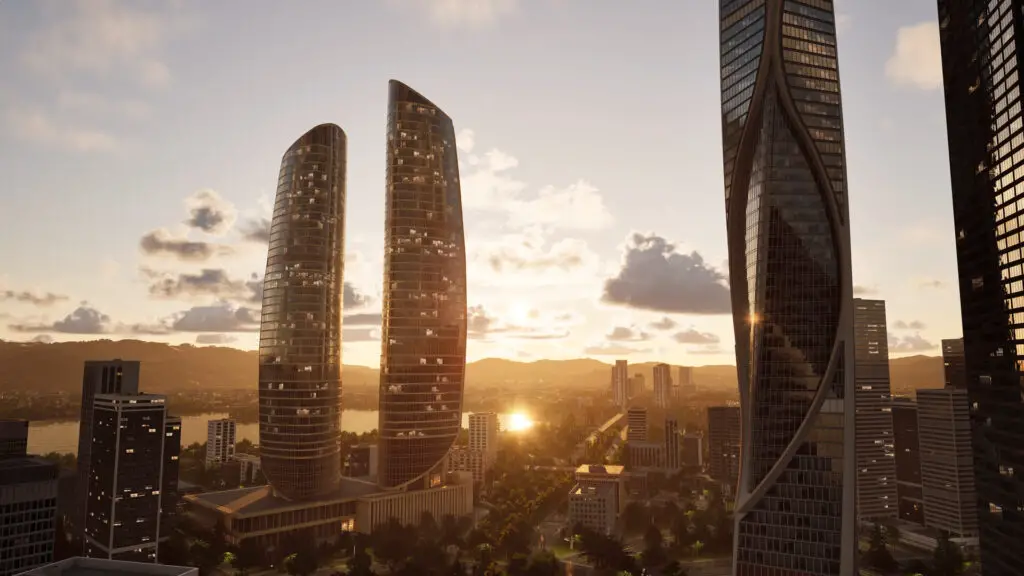
Developed by 1:1 Studio, City Masterplan is positioning itself as a “highly realistic” city-builder designed to find the sweet spot between granular simulation and user-friendly control. According to the developers, the game offers a massive 24x24km environment—a vast digital canvas that allows for everything from dense American-style downtowns to sprawling “Chinese-style” urban centers.
As a storyteller of tech trends, TechTalesLeo notes that the technical specifications here are particularly intriguing for hardware enthusiasts. The game promises road-building tools that are entirely decoupled from rigid grids, allowing for organic urban growth. Furthermore, the game utilizes an extensive architectural library combined with “advanced” procedural generation to ensure that no two neighborhoods look exactly the same.
Visuals, Performance, and the Unreal Engine 5 Factor
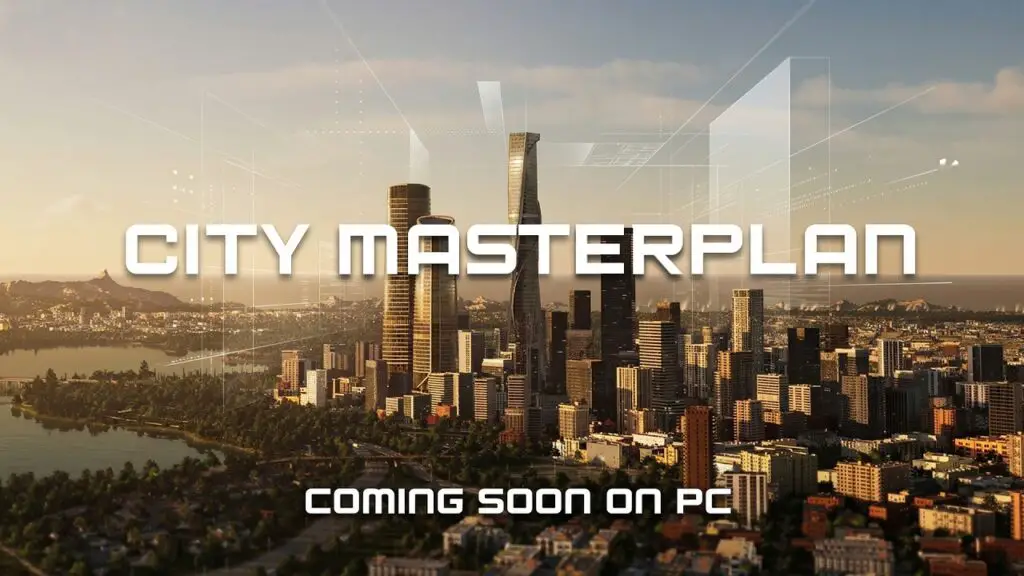
The visual style of City Masterplan draws immediate comparisons to Cities: Skylines 2, with a heavy emphasis on realistic lighting, dynamic weather, and volumetric skies. However, the tech stack under the hood is different. City Masterplan is built on Unreal Engine 5, a choice that brings both excitement and caution. While UE5 is known for its stunning 4K resolution capabilities and Nanite geometry, many PC gamers are wary of the performance stutters that have plagued other high-profile UE5 releases.
| Feature | City Masterplan | Cities: Skylines 2 |
|---|---|---|
| Game Engine | Unreal Engine 5 | Unity (Customized) |
| Map Size | 24km x 24km | ~159 km² (Total Playable) |
| Building Scale | 1:1 True-to-Scale | Stylized Realism |
| Zoning Styles | International (Western & Eastern) | North American & European |
A Strategic Market Opportunity
The timing for City Masterplan couldn’t be better. The original Cities: Skylines is now over a decade old, and while it remains a beloved staple, its engine limitations are showing. Meanwhile, the launch of Skylines 2 left many fans searching for alternatives due to optimization hurdles. While recent updates and the shift in development oversight have begun to steer the ship in a more positive direction, the general sentiment in the gaming community remains cautiously mixed.
Final Thoughts: Will It Redefine the Genre?

Could City Masterplan do to the Skylines franchise what Skylines originally did to SimCity? The early footage and the promise of a 1:1 scale simulation are certainly enticing. However, as we frequently emphasize at Digital Tech Explorer, the true test lies in the execution of the simulation’s logic and the stability of the software. While there is no firm release date yet, we expect this ambitious project to land on our rigs closer to 2027.
Stay tuned to Digital Tech Explorer for more in-depth analyses of emerging tech and hardware performance benchmarks. For more stories from the intersection of innovation and accessibility, follow TechTalesLeo on our official author page.