
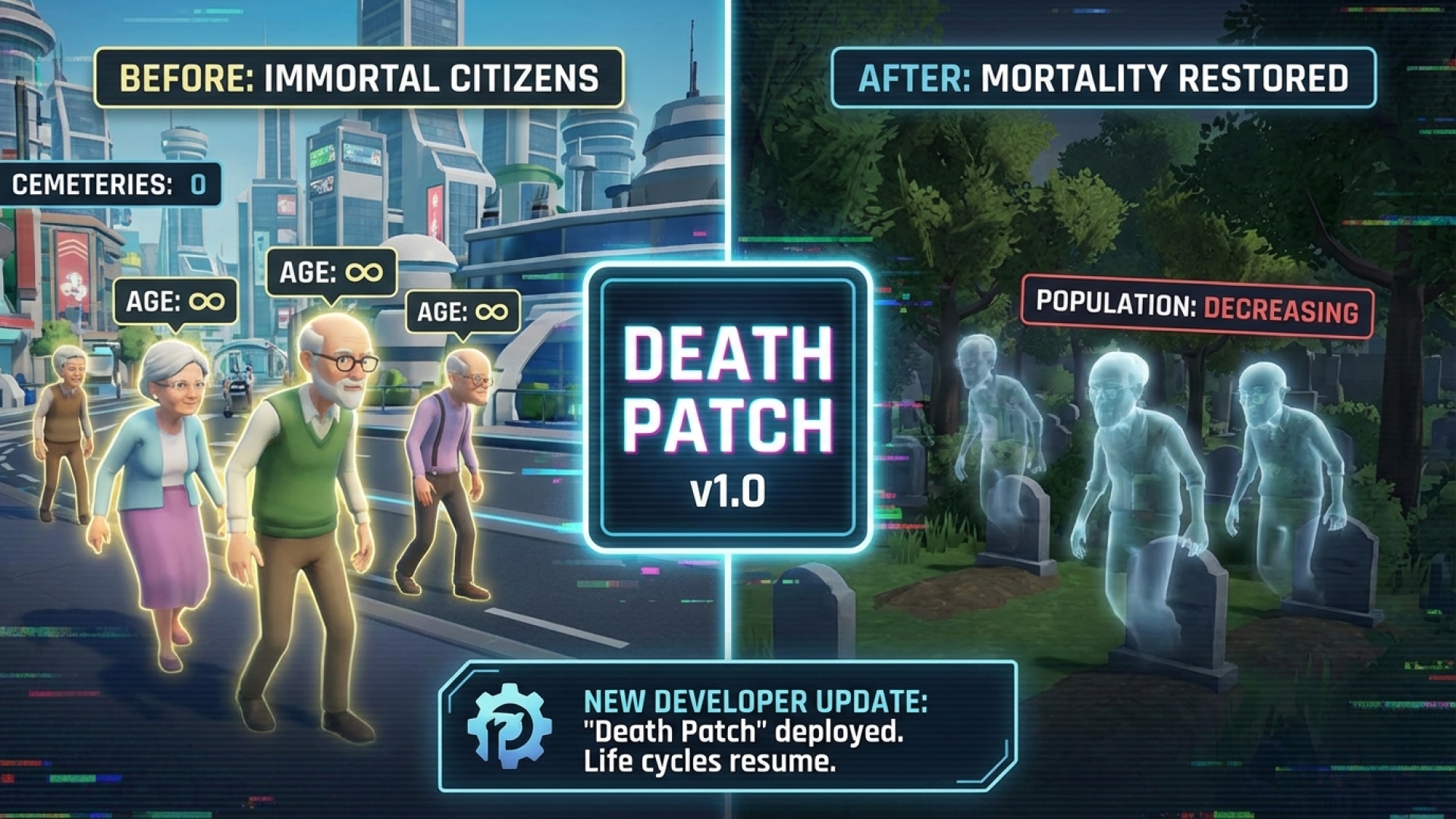
At Digital Tech Explorer, we have been closely monitoring the evolution of the city-building genre, and few titles have had a more turbulent journey recently than Cities: Skylines 2. Following a complex transition where development shifted from Colossal Order to Iceflake Studios, the community has been eagerly awaiting signs of stability. That sign has arrived in the form of the “First Frost” update. As TechTalesLeo, I find the narrative of this patch particularly fascinating—it’s not just about adding features; it’s about fixing the very soul of the simulation: the cycle of life and death.
Addressing the Afterlife: Vital Death Mechanic Fixes
The “First Frost” patch serves as a technical deep-dive into the game’s underlying logic. One of the most glaring issues previously plaguing players was a “death surge” phenomenon. Due to a bug in the code, citizen deaths were restricted to a narrow window between midnight and 6 AM. This created an unrealistic and logistical nightmare for virtual funeral services. Iceflake Studios has recalibrated this, ensuring deaths are distributed naturally throughout the day-night cycle.
To further refine the simulation, the frequency of death calculations has been quadrupled—moving from four to sixteen checks per cycle. This prevents the “mass casualty” events that would occur when the game engine tried to catch up on its backlog of souls. Perhaps most importantly for those playing on easier difficulties, the “immortality bug” has been squashed. Previously, nearly 80% of citizens in easy mode simply never died of old age, leading to stagnant populations and broken progression. With this update, the natural lifecycle has been restored to the gaming experience.
Key Updates in the First Frost Patch
| Feature Category | Change Implemented | Impact on Gameplay |
|---|---|---|
| Simulation Logic | Death surges corrected and immortality bug removed. | More realistic population turnover and graveyard demand. |
| Transportation | 80% reduction in bicycle trips. | Reduced pathfinding overhead and improved traffic flow. |
| User Interface | New icons for roundabouts, depots, and pollution. | Better visual clarity for city management. |
| Quality of Life | Autosave enabled by default. | Prevention of data loss during long PC gaming sessions. |
| Graphics | Improved shadow rendering and dynamic fog. | Enhanced immersion and environmental realism. |
Refining the Urban Landscape
Beyond the macabre, “First Frost” introduces significant quality-of-life improvements. Transportation enthusiasts will notice an 80% reduction in bicycle usage. While cycling was a major focus under previous development, it had become over-represented in the traffic simulation. This adjustment brings the modal split closer to reality. Additionally, the hardware demands of the game are being met with better optimization; graphical enhancements like improved shadow rendering and decal-based snow support make the metropolis feel more alive than ever.
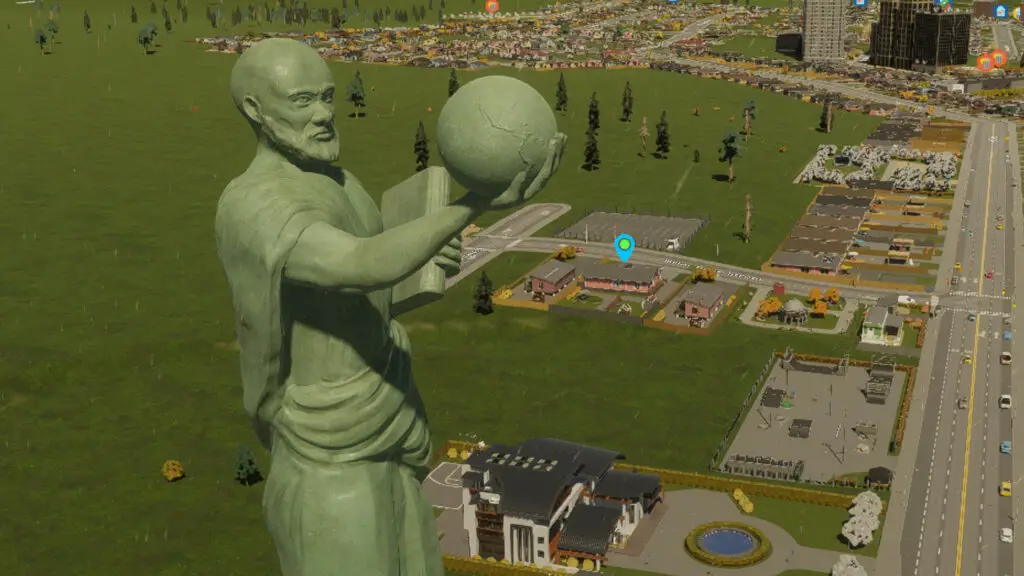
For those who enjoy the creative side of Cities: Skylines 2, the terraforming tools have received a much-needed precision pass. They are now less aggressive, allowing for the subtle landscape adjustments required for professional-grade city planning. We also see the long-overdue arrival of “Autosave” as a default setting—a feature that provides a safety net for developers and players alike, ensuring hours of meticulous zoning aren’t lost to a sudden crash.
A Narrative of Redemption
While this update doesn’t introduce massive new landmasses or skyscrapers, it represents a commitment to transparency and core stability. At Digital Tech Explorer, we value the research and testing that goes into these patches. The community’s response has been cautiously optimistic; Steam reviews have seen a climb from a “Mixed” 54% to a more promising 67% positive rating in recent weeks.
Iceflake Studios is clearly focused on rebuilding the foundation of this sequel. For the seasoned professional or the casual builder, these fixes make the game more accessible and intriguing. It is a reminder that in the world of software engineering and digital innovation, sometimes you have to fix the way things end before you can truly focus on a new beginning.

Stay tuned to Digital Tech Explorer as we continue to track the progress of the most anticipated 2024 releases and the tech that powers them. Whether it’s 3D gaming or the latest in AI acceleration, we are here to bridge the gap between complex tech and your everyday setup.