
The journey of Cities: Skylines 2 has been a turbulent narrative of ambition versus technical reality. As a gaming community, we watched with high hopes as the sequel to the legendary city builder aimed for the stars, only to be grounded by significant performance bottlenecks and missing features. In a surprising turn of events for the industry, developer Colossal Order and publisher Paradox Interactive have parted ways on this project, with development transitioning to Iceflake Studios.
At Digital Tech Explorer, we pride ourselves on dissecting the “why” behind software failures. The initial release was marred by optimization hurdles and a lack of modding support—a staple for the franchise. Most notably, the “Bridges & Ports” expansion faced a year-long delay, leaving enthusiasts questioning the underlying architecture of the title.
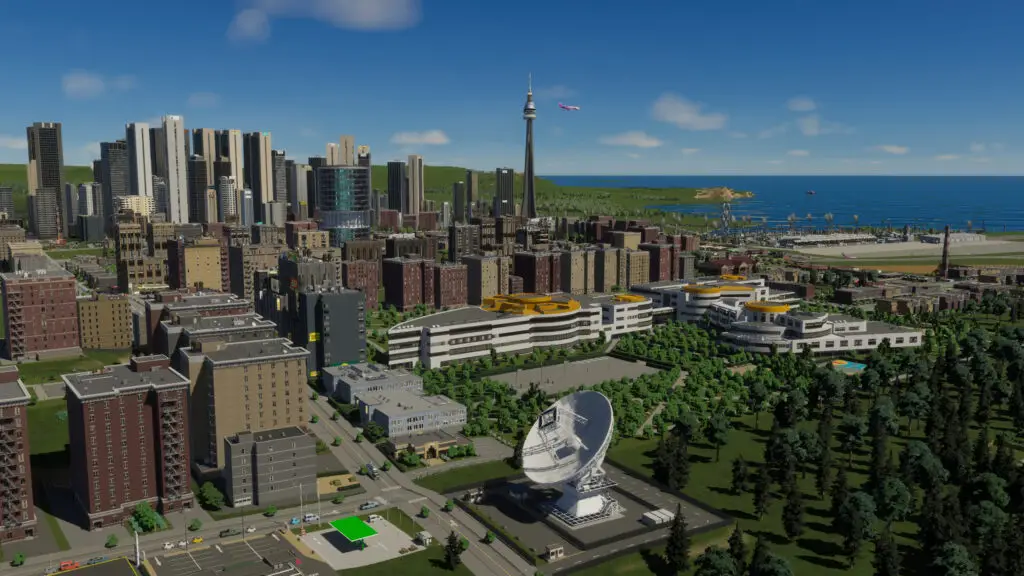
The High Cost of Overestimating Unity
Mariina Hallikainen, CEO of Colossal Order, recently shed light on the core of their hardware and software struggles. The team’s vision for “future-proofing” the game—aiming for a decade of relevance—led them to rely on nascent, unfinalized features within the Unity engine. It is a classic tale in AI and software engineering: building on shifting sands.
By betting on experimental tech that failed to mature at the expected pace, the developers were forced into a cycle of creating manual workarounds. This pivot consumed vital resources that should have been spent on gameplay polish and optimization. Instead of leveraging the engine’s power, the team found themselves fighting its limitations to keep the project afloat.
A Breakdown of the Technical Hurdles
For the developers and tech professionals in our audience, the specifics of these challenges highlight the risks of bleeding-edge engine adoption. The team encountered critical issues within the HDRP (High Definition Render Pipeline) and the ECS (Entity Component System) frameworks. Below is a summary of the technical roadblocks identified by the studio:
| Technical Area | Issue Encountered | Impact on Gameplay |
|---|---|---|
| HDRP Shader Pipeline | Missing interpolators and core features. | Visual inconsistencies and rendering inefficiencies. |
| ECS Framework | Lack of robust “long-running job” support. | Strained simulation performance and CPU bottlenecks. |
| Engine Stability | General instability in early builds. | Frequent crashes and unpredictable frame rates. |
Colossal Order’s New Horizon
Despite the scars left by Cities: Skylines 2, Colossal Order is moving forward as an independent entity. Their next project remains in the simulation genre for PC, and perhaps most surprisingly, they are sticking with Unity. Hallikainen emphasizes that the lesson learned isn’t to abandon the tool, but to use it “in a smarter way.”
This approach aligns with our mission here at Digital Tech Explorer: making technology educational. Every software failure is a masterclass in development strategy. By choosing stability over experimental features for their next title, Colossal Order aims to return to the quality that first put them on the map.
Lessons from the Virtual Trenches
The saga of Cities: Skylines 2 serves as a potent reminder for the 2024 releases and beyond: innovation requires a solid foundation. While the initial launch missed the mark, the transparency regarding these technical challenges provides a roadmap for other studios. As TechTalesLeo, I believe these stories of struggle eventually lead to the most resilient software solutions. We look forward to seeing how Colossal Order applies these hard-won insights to their future simulations.
Stay tuned to Digital Tech Explorer for further deep dives into the code and culture shaping our digital world. For more on the latest trends, explore our AI and GPU analysis.
Disclaimer: All content on Digital Tech Explorer is for informational and entertainment purposes only. We do not provide financial or legal advice. Some links may be affiliate links; we may earn a commission at no additional cost to you.