
In the world of PC building, established giants like Corsair, G.Skill, and Kingston have dominated the landscape for years. They are the “safe bets” for gaming PC DRAM, having shipped millions of kits to enthusiasts worldwide. However, the current hardware climate—frequently labeled the “RAMpocalypse”—has seen prices for these premium offerings skyrocket, leaving many builders searching for an exit ramp from the high-cost highway.
At Digital Tech Explorer, we are always on the lookout for ways to bridge the gap between complex tech and budget-friendly usability. This search has led many to explore the frontiers of the global marketplace: brands like Cusu, Gudga, and Juhor. While these names are largely unfamiliar to Western builders, they represent a massive manufacturing sector in China. Traditionally, these brands have focused on their domestic market, but the global memory shortage is forcing a re-evaluation of what constitutes a “reputable” brand.
The burning question for every developer and tech enthusiast is simple: Can you find significant savings on a high-spec DDR5 memory kit by going off-brand, or are you just trading stability for a few saved dollars?
The Hunt for Affordable Chinese DRAM
Diving into platforms like AliExpress, DHgate, and Temu reveals a variety of DDR5 memory options that rarely see the light of day in local retail stores. However, our research shows that “absolute bargains” are becoming increasingly elusive. The global memory supply crisis is a tide that has lifted all boats—or in this case, inflated all prices—regardless of the region.
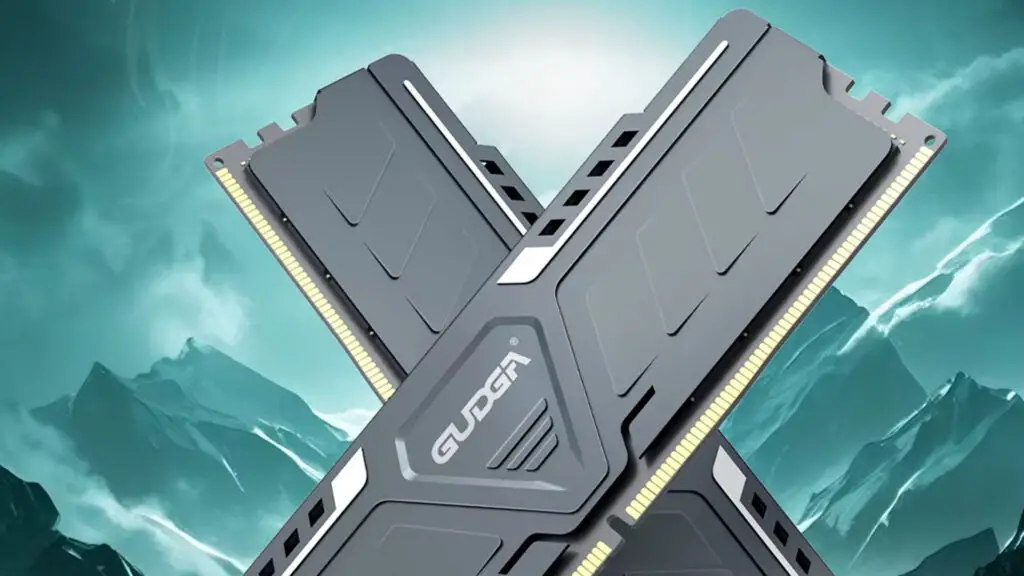
During our market analysis, we found several listings that highlight the current pricing volatility. While these brands are “alternative,” their price tags often remain stubbornly high. Here is a breakdown of what we discovered on the current market:
| Brand & Model | Platform | Configuration | Approx. Price (USD) |
|---|---|---|---|
| Juhor DDR5-5600 | AliExpress | Single 16GB Stick | $220 |
| Gudga DDR5-5600 | AliExpress | 16GB Kit (2x8GB) | $469 |
| Ymeiton DDR5-4800 | AliExpress | 16GB Kit | $291 |
| Adata XPG DDR5-6000 | DHgate | Single 16GB Stick | $195 |
| Cusu DDR4-3200 | AliExpress | 16GB Kit | $123 |
DDR4 prices tell a similarly strange story. While Temu listed a 16GB Eaget kit for roughly £65, other platforms like DHgate showed Juhor RGB kits for as high as $265. The lack of consistency underscores the importance of thorough research before clicking “buy.”
Are Off-Brand Prices Truly a Bargain?
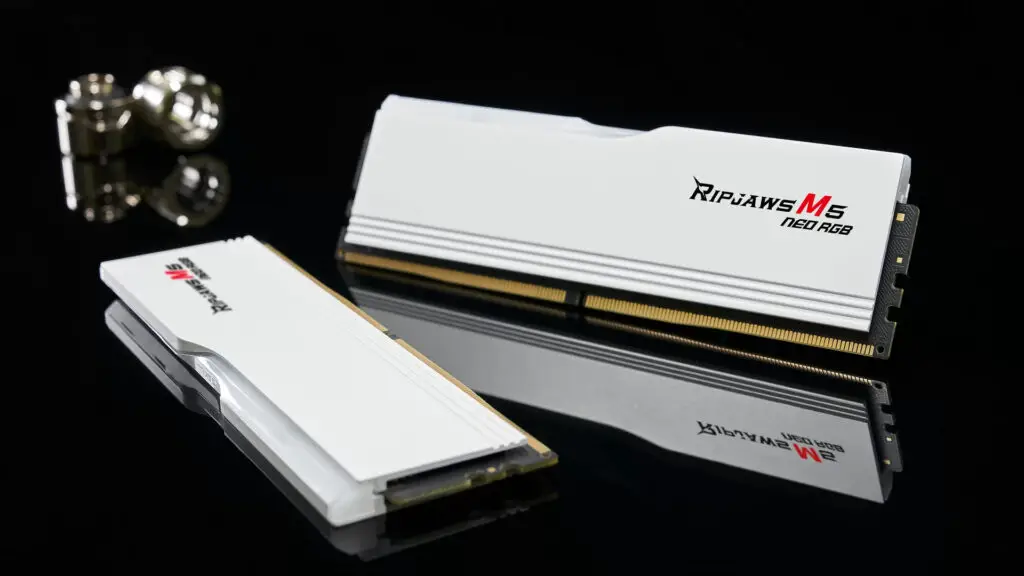
When you stack these “alternative” prices against Western retail staples, the “bargain” starts to evaporate. For example, a 16GB G.Skill DDR5-5600 kit can often be found for $259 on Amazon, and we’ve spotted high-performance G.Skill Flare X5 kits for as low as $220 on Newegg using promo codes. Even premium options like the 32GB Corsair Vengeance RGB DDR5-6000—a favorite for gaming builds—hover around $440.
At Digital Tech Explorer, we believe in transparency. The reality is that many overseas sellers are capitalizing on the AI and hardware shortages, knowing that desperate builders might pay a premium. Additionally, navigating platforms like Taobao or AliExpress can be a minefield of misleading listings, where an attractively low price might only get you a 4GB stick of outdated tech rather than the 16GB module you actually need.
Performance and Long-Term Reliability
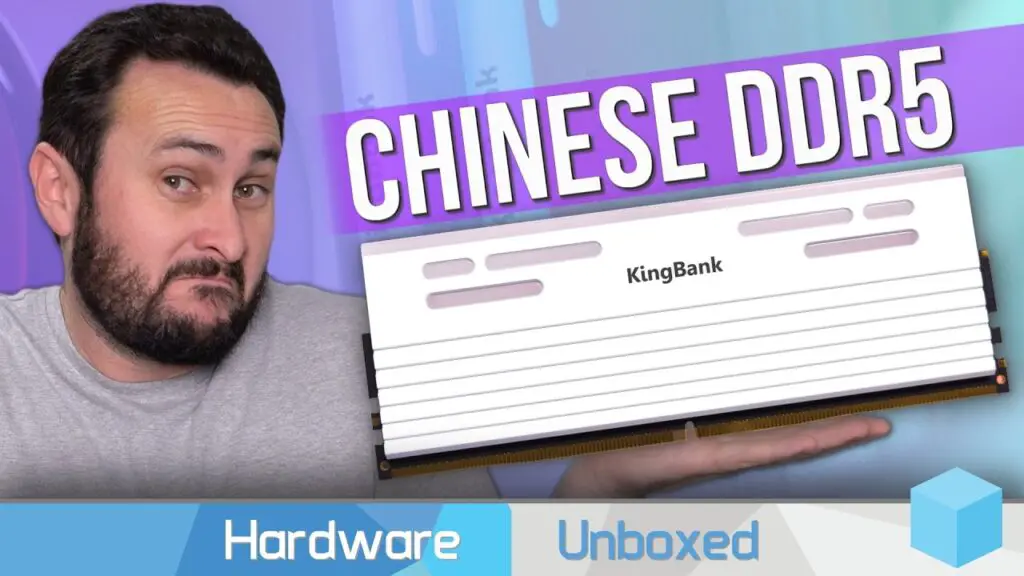
If the prices are similar, does the performance hold up? Interestingly, yes. Many Chinese memory vendors are now integrating home-grown chips, such as those from CXMT. Benchmarks from reputable reviewers, including Hardware Unboxed, show that brands like KingBank perform admirably. Because AMD and Intel processors enforce strict specifications for AI acceleration and general computing, any DRAM that doesn’t meet these standards simply won’t boot.
However, performance is only one side of the coin. Reliability is the other. While a generic kit might pass a benchmark today, its longevity over five years of constant use remains a question mark. Even “big brand” modules fail—I have personally seen expensive kits die in less than 14 months due to manufacturing defects. Without the robust warranty support that a brand like Corsair or Kingston provides, an “off-brand” failure could turn a small saving into a total loss.
TechTalesLeo’s Verdict: Making a Smart Purchase
As we navigate this volatile 2024 market, every dollar counts. If you find a 16GB or 32GB kit at a price that significantly undercuts the big names, it is worth considering, provided the seller is reputable. Our testing suggests that for PC games, the difference between “fast” and “slow” DDR5 is often negligible in real-world scenarios.
Ultimately, the goal is to get your system running efficiently. The brand name and the RGB marketing hype are secondary to the silicon itself. If the memory meets your motherboard’s specs and fits your budget, it will serve its purpose—whether it came from a household name or an emerging manufacturer from across the globe. Stay informed, do your research, and don’t let the “RAMpocalypse” stall your next build.
Affiliate Disclaimer: Some of the links on Digital Tech Explorer are affiliate links. This means we may earn a commission if you click through and make a purchase, at no additional cost to you. Our recommendations are based on thorough research and real-world testing.