
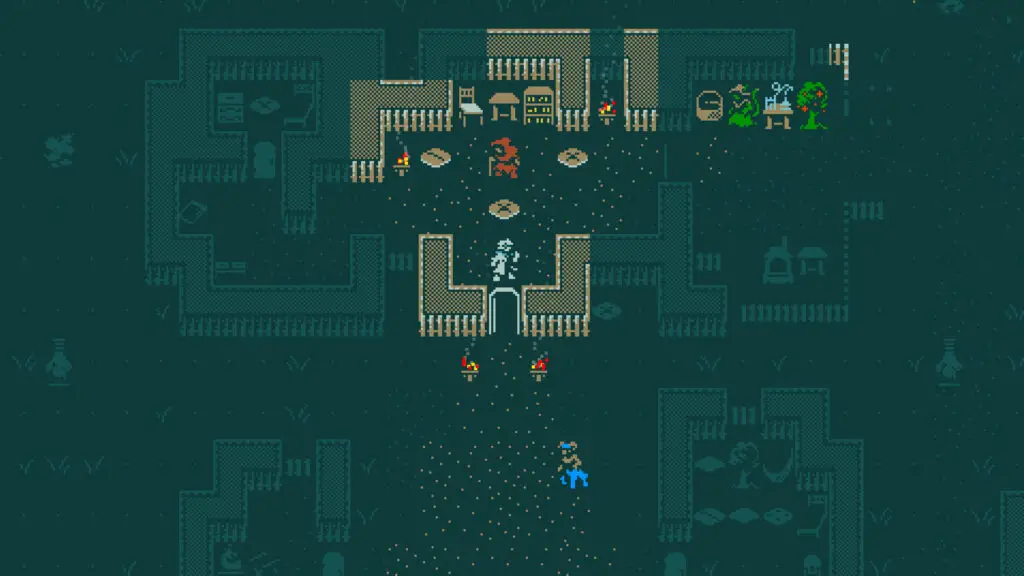
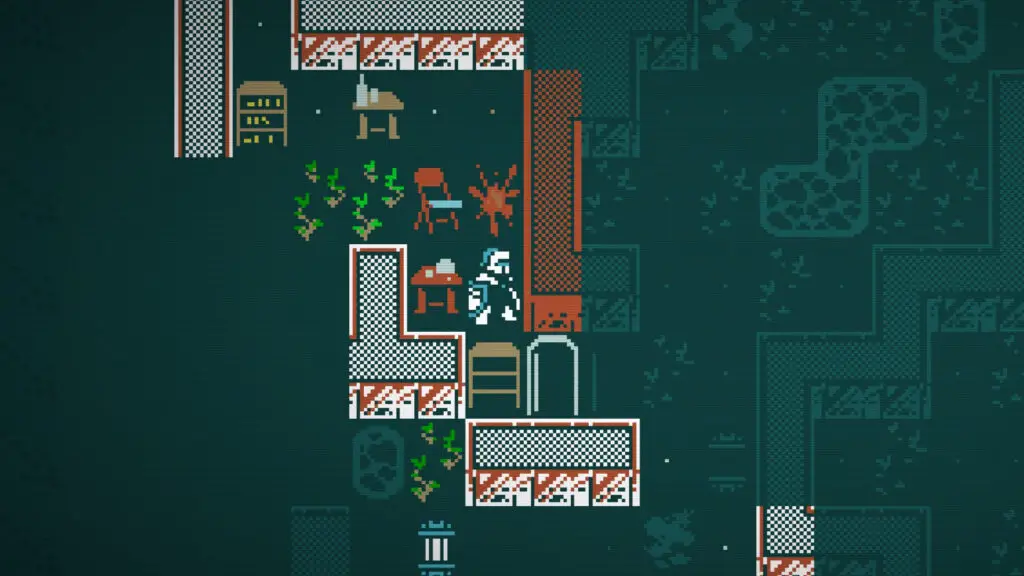
At Digital Tech Explorer, we often dive deep into the mechanics that power our favorite digital worlds. Few titles represent the pinnacle of systemic complexity quite like the acclaimed roguelike Caves of Qud. Renowned for its mind-bending depth, players can experience everything from spontaneously sprouting limbs to witnessing a concrete wall achieve full personhood. Yet, despite these intricate systems, Freehold Games co-creator Brian Bucklew suggests that even this celebrated title is merely scratching the surface of what modern hardware is truly capable of delivering.
As TechTalesLeo, I find the narrative of untapped potential fascinating. Bucklew’s primary focus as a programmer is shifting toward a bold new frontier: implementing gameplay systems that fully harness the vast, often dormant processing and networking potential of today’s high-end machines.
Unleashing the Full Power of Modern Hardware
Bucklew highlights a significant disparity within the gaming industry, particularly in the AAA space. Many modern titles have not yet adapted to the rapid advancements in compute power and network infrastructure. He points out that several high-budget games still operate like “one megabit games” regarding network usage. Even with players accessing speeds ranging from 25 megabits to a full gigabit, a vast amount of network bandwidth remains an underutilized resource in contemporary game design.

Beyond connectivity, the untapped potential of modern CPUs remains a hurdle for digital innovation. While the GPU is frequently pushed to its limits to render hyper-realistic 4K resolution environments, multi-core CPUs capable of handling 32 hyperthreaded threads often sit idle. This inefficiency stems from how traditional engines manage their underlying simulations.
Pre-Calculated vs. Dynamic Worlds
In our reviews here at Digital Tech Explorer, we often distinguish between visual fidelity and systemic depth. Most AAA titles, like the Call of Duty franchise, focus on “baked” environments. In these games, many outcomes are pre-calculated during the design phase. The CPU’s role is relegated to basic tasks like movement and bullet trajectories rather than managing a living, reactive world.
| Feature | AAA “Baked” Simulations | Systemic Procedural Simulations |
|---|---|---|
| Resource Focus | Heavily GPU dependent | Heavily CPU dependent |
| World Interaction | Scripted and pre-calculated | Dynamic and emergent |
| Examples | Call of Duty, Assassin’s Creed | Minecraft, Dwarf Fortress, Caves of Qud |
| Hardware Utilization | Single-core heavy for logic | Multi-core potential for simulation |
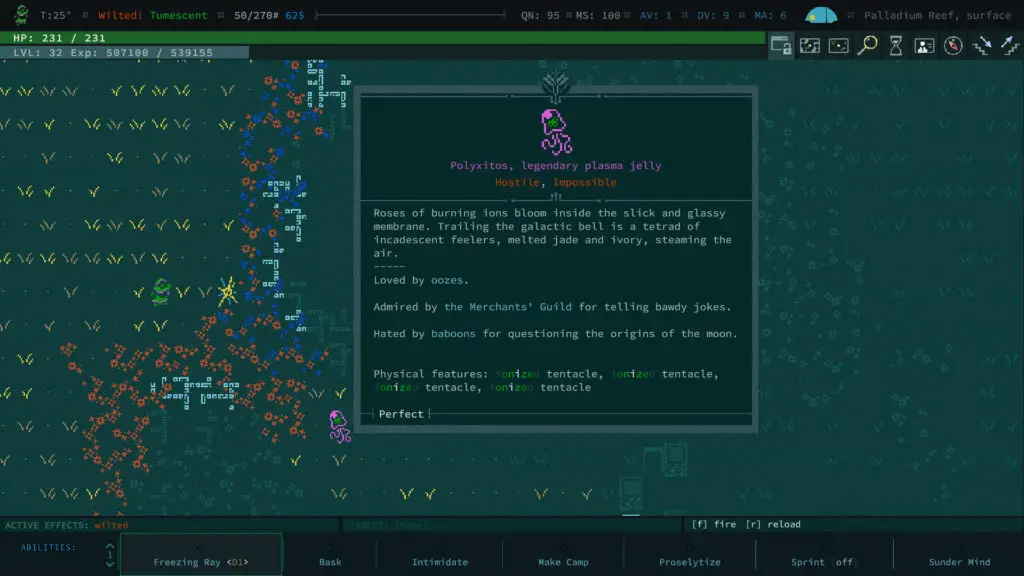
Conversely, games built on procedural generation and systemic simulation—such as Minecraft or Dwarf Fortress—are significantly more CPU-intensive. These titles require the processor to solve dynamic problems in real-time. In Caves of Qud, a unique scenario involving a burning creature with webbed feet near a specific NPC requires the engine to calculate material interactions, temperature shifts, and behavioral AI simultaneously. This is where AI acceleration and advanced processing could eventually transform the genre.
Freehold Games’ Vision for Next-Gen Simulation
Bucklew’s ambition is to move beyond game designs that essentially date back to 2005. Most current engines still struggle to distribute simulation logic across multiple cores effectively. Freehold Games aims to explore a future where strategy or simulation games “saturate” these available resources. This means building entirely new gameplay architectures designed to leverage the massive compute potential of modern PC games and specialized hardware.
The Long-Term Bet: Hardware Integration
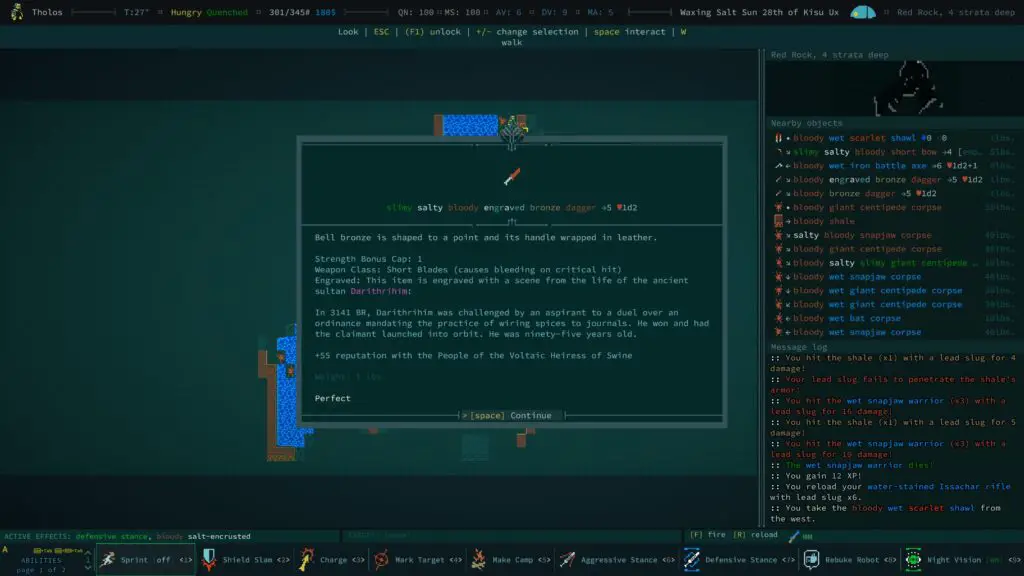
As an observer of emerging technology trends, I find Bucklew’s long-term outlook particularly compelling. He acknowledges that these experimental simulations might initially require top-tier specifications—perhaps a “14900 and 5090 Ti” setup. However, he draws a parallel to the early days of Caves of Qud. Despite its retro aesthetic, its underlying complexity made it difficult for older hardware to handle. Today, that same complexity runs seamlessly on mobile devices and handheld consoles.
At Digital Tech Explorer, we believe this commitment to pushing technological boundaries is what drives the industry forward. By designing for the high-end hardware of today, developers ensure that as hardware technology progresses over the next decade, these deep, dynamic experiences will eventually become the new standard for all gamers.