
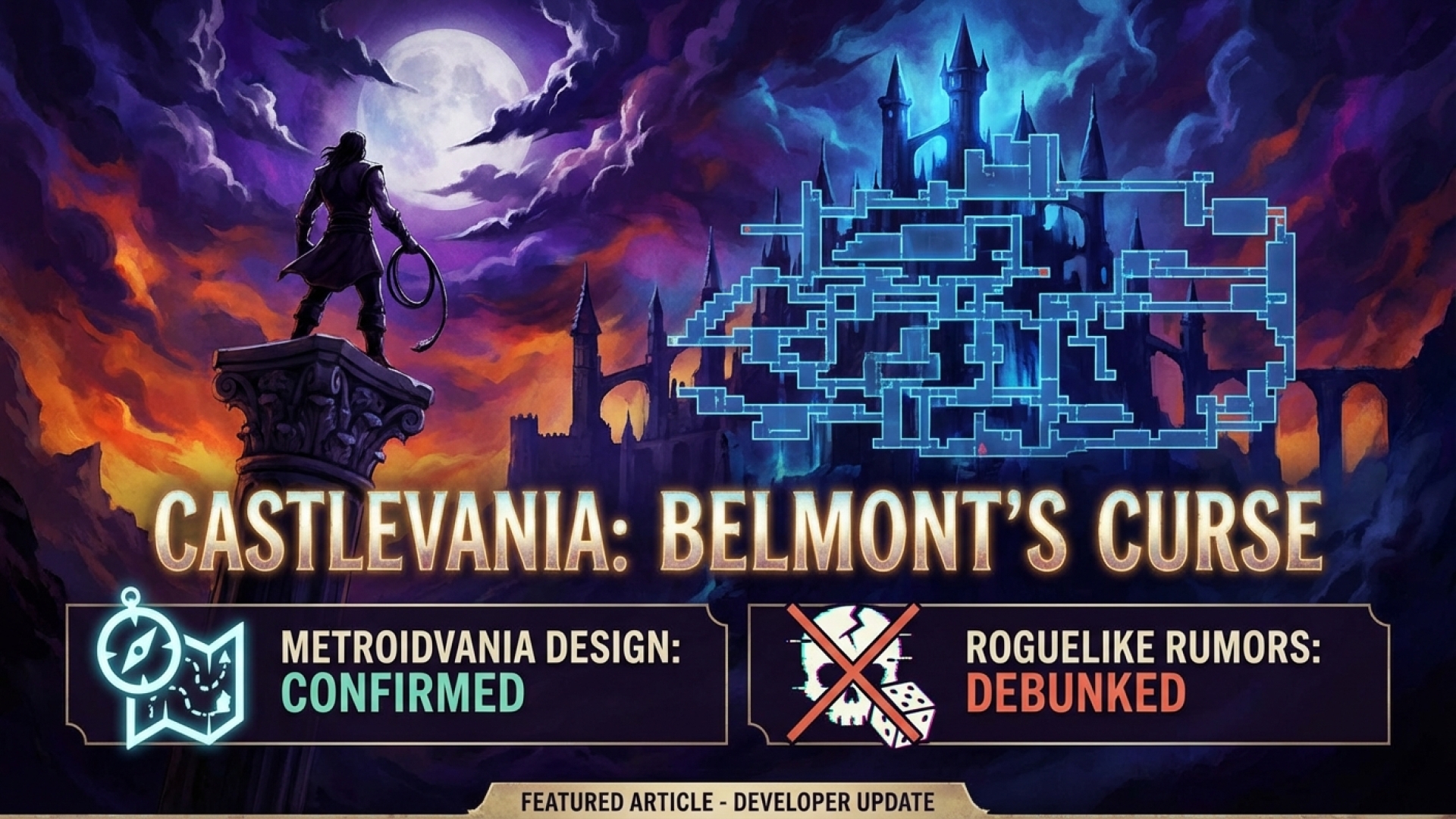
At Digital Tech Explorer, we’ve been keeping a close eye on the evolving landscape of classic revivals. When the initial trailer for Castlevania: Belmont’s Curse first dropped, it showcased what appeared to be a return to classic exploration-focused platforming. However, the involvement of Evil Empire—the brilliant minds behind the roguelike sensation Dead Cells—sparked immediate debate among the community. Many fans questioned if this new entry would follow the procedural paths of a roguelike or stay true to its gothic roots.
Defining the Genre: An “Exploration Action Game”
In our deep dive into the latest gaming news, we found that Konami is taking deliberate steps to define this experience. To settle fan anxieties, the publisher has officially labeled the title a “2D exploration action game.” It’s a delicate branding dance for Konami; while they are the namesake of the “vania” in “Metroidvania,” corporate constraints often prevent them from using their competitor’s name (Metroid) to describe their own genre. During a recent developer interview at the Triple-I Initiative showcase, the team provided much-needed clarity, confirming that Belmont’s Curse is built on the legendary design philosophy of Castlevania: Symphony of the Night.
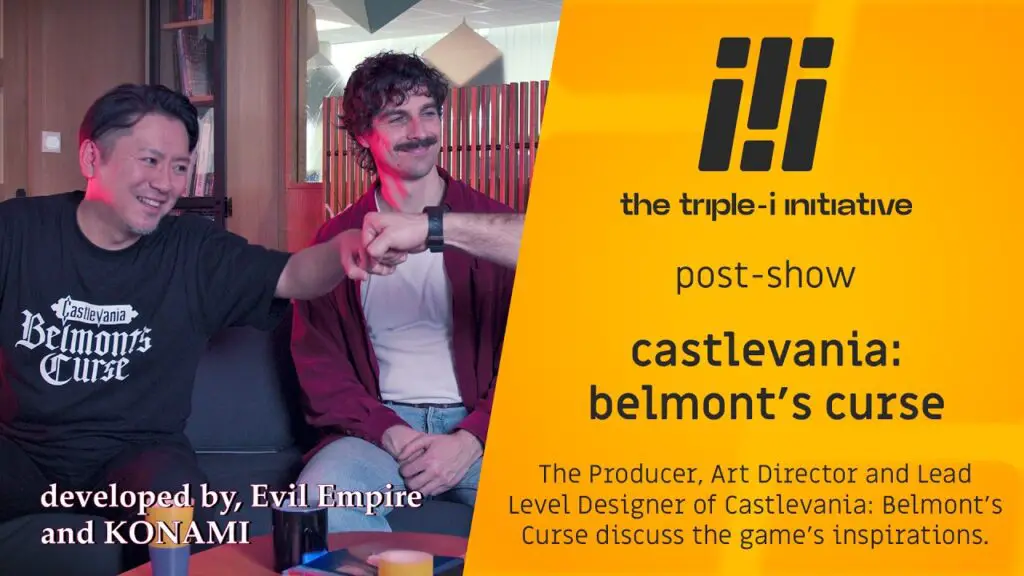
Matt from Evil Empire described the project as a expansive “2D action adventure world.” Lead level designer Sandro explained that the team focused on creating a living, breathing city. By leveraging verticality—from the damp sub-streets to the soaring rooftops—the game aims to blend modern mechanics with the “intricateness” of the classic action-adventure genre. During the showcase, an intricate 2D map was revealed, featuring traditional save rooms and fast travel points that will be immediately familiar to long-time fans.
Roguelike vs. Exploration Action: What’s the Difference?
To help our readers at Digital Tech Explorer better understand the mechanical shift, our team has broken down the key differences between the developers’ previous work and this new venture:
| Feature | Roguelike (e.g., Dead Cells) | Exploration Action (Belmont’s Curse) |
|---|---|---|
| Map Structure | Procedurally generated; changes every run. | Hand-crafted, permanent world map. |
| Progression | Permadeath with meta-upgrades. | Persistent character growth and RPG leveling. |
| Navigation | Linear progression through biomes. | Backtracking enabled by new abilities. |
| Save System | Run-based saves. | Dedicated save rooms and checkpoints. |
Inspired by a Masterpiece: Symphony of the Night
Konami producer Tsutomu Taniguchi confirmed that the goal was to capture the magic of the 32-bit era. “We drew significant inspiration from Castlevania: Symphony of the Night,” he stated. Sandro echoed this, calling SotN a “genre-defining masterpiece” that dictated the structural flow of the new game. To put any lingering doubts to rest, Matt addressed the roguelike question directly: “Will Castlevania: Belmont’s Curse be a roguelike? No, it won’t.”
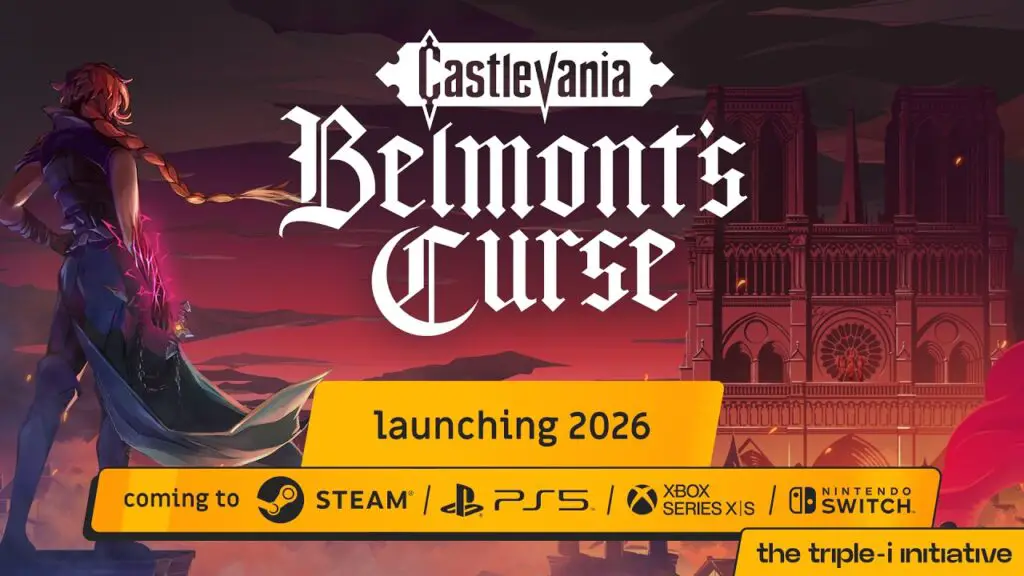
The gameplay trailer further solidified this “Igavania” influence. We witnessed the protagonist, Sonia, gaining experience points and leveling up—a core RPG mechanic that helped define the post-SotN era of the franchise. For those of us who follow PC games and retro-revivals, this is a clear signal that the focus is on depth and discovery rather than repetitive “runs.”
The Legacy of “Igavania” in the Modern Age
As a storyteller in the tech space, I find it fascinating how Konami must navigate the linguistic history of its own creation. Before “Metroidvania” became the industry standard, fans frequently used the term “Igavania” to honor Koji Igarashi’s contributions. Igarashi’s work in the early 2000s perfected the balance of intricate exploration and light RPG systems that set these titles apart from the linear “Classicvania” platformers of the 8-bit era.

Following Igarashi’s departure from Konami to lead Bloodstained: Ritual of the Night, the term “Igavania” became a corporate taboo. Yet, the DNA remains unmistakable. Whether you look at the Castlevania Dominus Collection or the upcoming Belmont’s Curse, the community continues to label these experiences for what they are: the gold standard of exploration-based action. At Digital Tech Explorer, we look forward to seeing how Evil Empire uses their modern software expertise to polish this legendary formula.
For more in-depth reviews and the latest stories on digital innovation, stay tuned to TechTalesLeo and the rest of the Digital Tech Explorer team.