
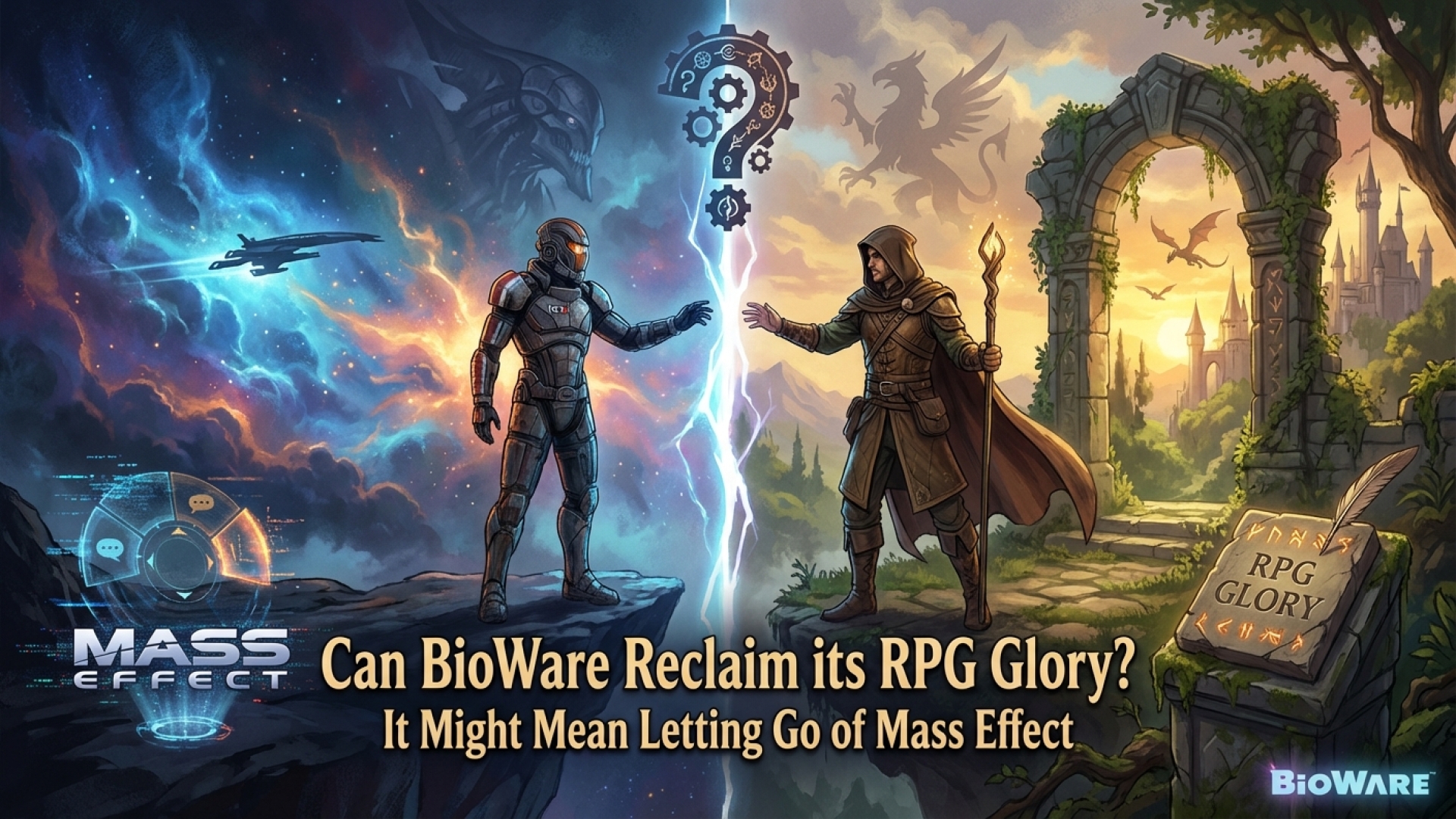
By the end of 2024, I found myself resigning to a harsh reality: BioWare, the once-unrivaled titan of the RPG genre, appeared to have lost its way. Following the trajectory from Anthem to Mass Effect: Andromeda, and finally Dragon Age: The Veilguard, my faith in the studio’s traditional DNA had reached an all-time low. It felt as though the developer that once defined the golden age of role-playing games was officially a relic of the past.
A year later, that initial sting has evolved into a more calculated disappointment. During my time away from Thedas, I immersed myself in the excellence of Baldur’s Gate 3 and explored the innovative mechanics of Esoteric Ebb. I even found myself championing Crimson Desert as a top-tier gaming experience. Yet, looking back at The Veilguard from a distance raises a critical question: Can BioWare actually make a comeback? If so, the first step is a radical one—they need to cancel the next Mass Effect.
The Hard Truth About Recent Performance
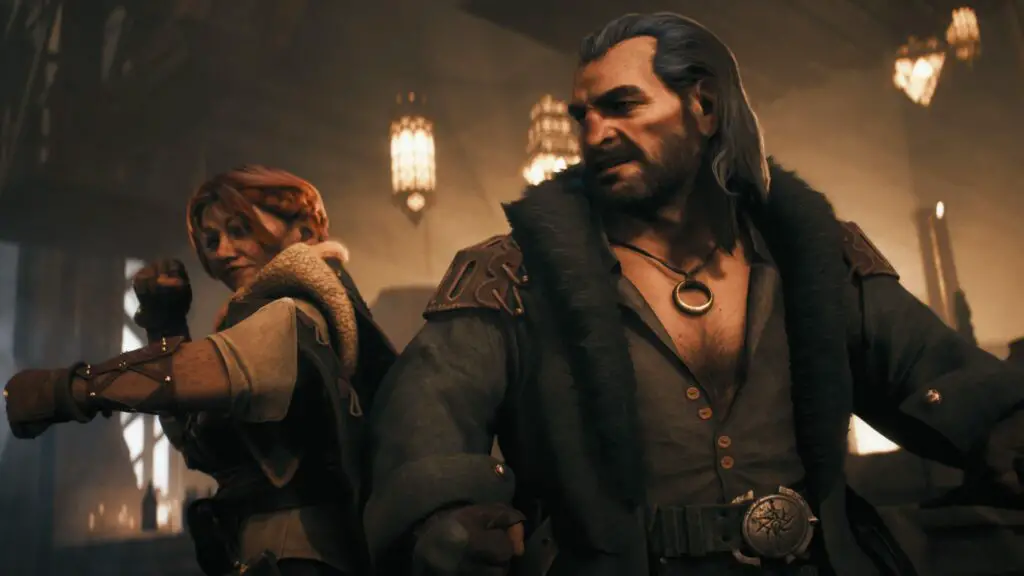
To understand the future, we must look at the data. While Dragon Age: The Veilguard received broadly positive critical reviews and initially topped Steam charts for EA, the long-term sentiment tells a different story. Eighteen months post-launch, the user reviews sit at “Mixed.” More importantly, the commercial reality was a wake-up call; sales reached 1.5 million copies in the first three months—roughly half of EA’s internal projections.
Context is vital here. A decade prior, Dragon Age: Inquisition hit similar milestones in its first week alone. Furthermore, whereas previous titles like the original Mass Effect trilogy received robust post-launch support, The Veilguard followed the Andromeda pattern: it was quickly sidelined with minimal DLC and subsequent “downsizing” within the studio. For a developer focused on PC games and deep narratives, these metrics indicate a brand in transition—or crisis.
BioWare is Dead, Long Live BioWare
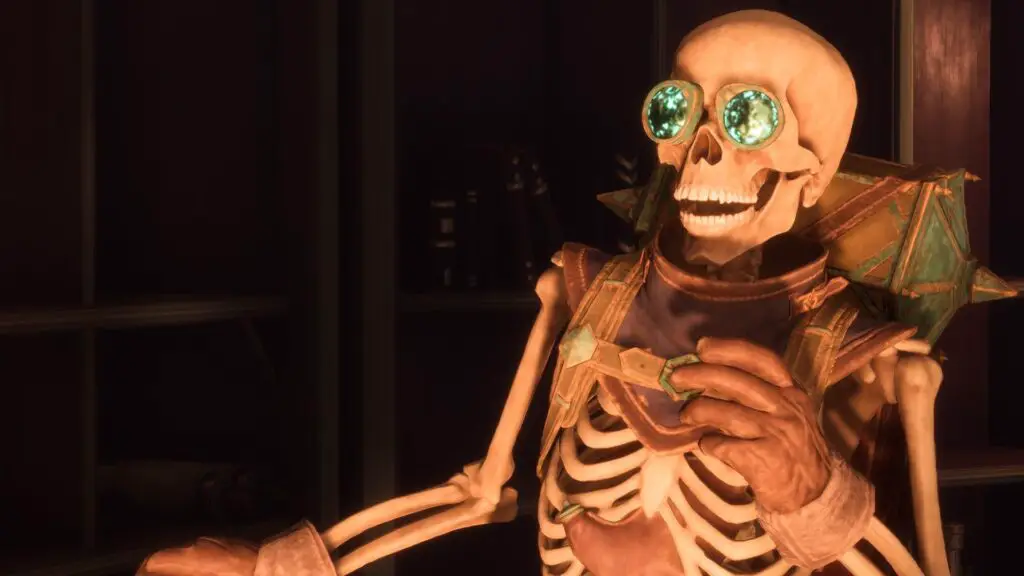
The mistake wasn’t just Anthem‘s departure from RPG roots; it was the loss of institutional knowledge. Over the years, redundancies and staff shuffles have gutted the core teams. While some veterans return, the “secret sauce” of the 90s and early 2000s—the ability to pioneer new ways of storytelling—is no longer present in the same form. We have to accept that we aren’t getting another Knights of the Old Republic or Origins from this specific iteration of the company.
BioWare’s legacy was built on movement, not stagnation. In the 90s, they brought tabletop mechanics to the PC; in the 2000s, they mastered cinematic console storytelling. They were industry leaders because they read the room and anticipated trends. However, since the EA acquisition, that proactive innovation has been replaced by reactive trend-chasing.
The “EA Factor” and Creative Constraints
It is impossible to discuss BioWare’s decline without addressing the environment created by Electronic Arts. The pressure to deliver endless sequels, the rushed development of Dragon Age 2, and the pivot to multiplayer live services have all taken a toll. The Veilguard itself famously began as a single-player RPG, shifted to a live-service model, and then reverted to single-player mid-development. This kind of identity crisis is a direct result of trying to satisfy investor demands over creative vision.
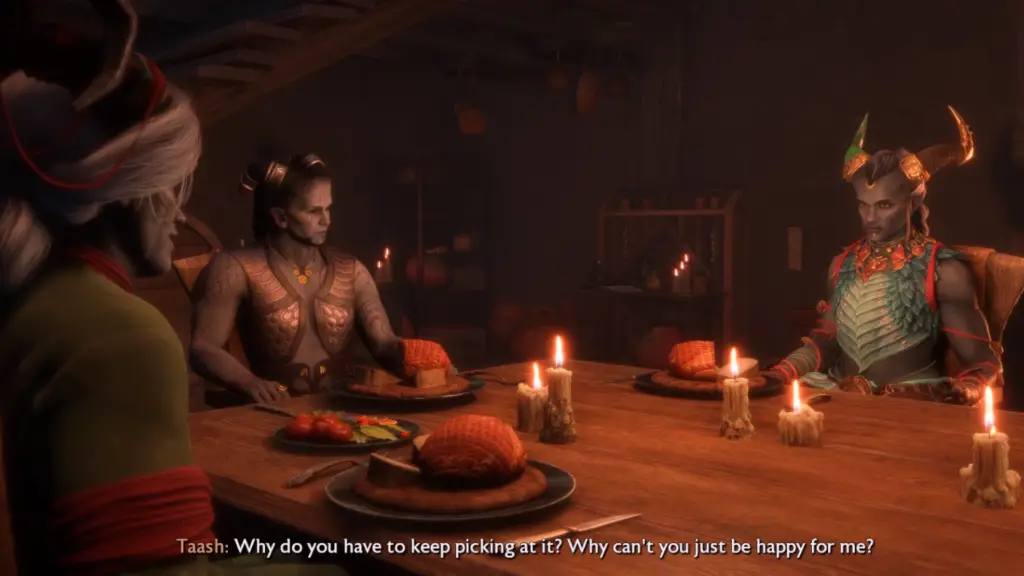
For BioWare to survive, they need space to experiment without the looming threat of multi-million-copy launch targets. They need to analyze the RPG landscape to see where the genre is heading in five years, not what was popular five years ago. Unfortunately, for a risk-averse publisher, “space” is a luxury they rarely afford their studios.
Why Mass Effect Needs to Stay in the Vault
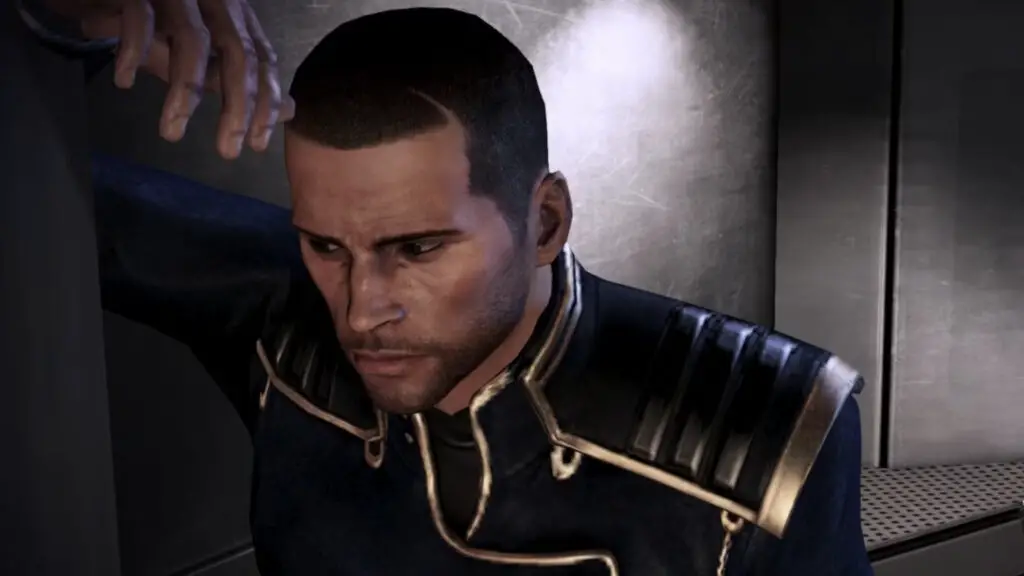
This is where I lose the optimists: I am convinced that BioWare should not be making another Mass Effect. The brand has not proven it can survive without Commander Shepard. Andromeda offered improved action and denser hardware-pushing visuals, but it lacked the narrative soul of the original trilogy. Without the Geth, the Reapers, or Shepard, the “Mass Effect” name is just a hollow shell.
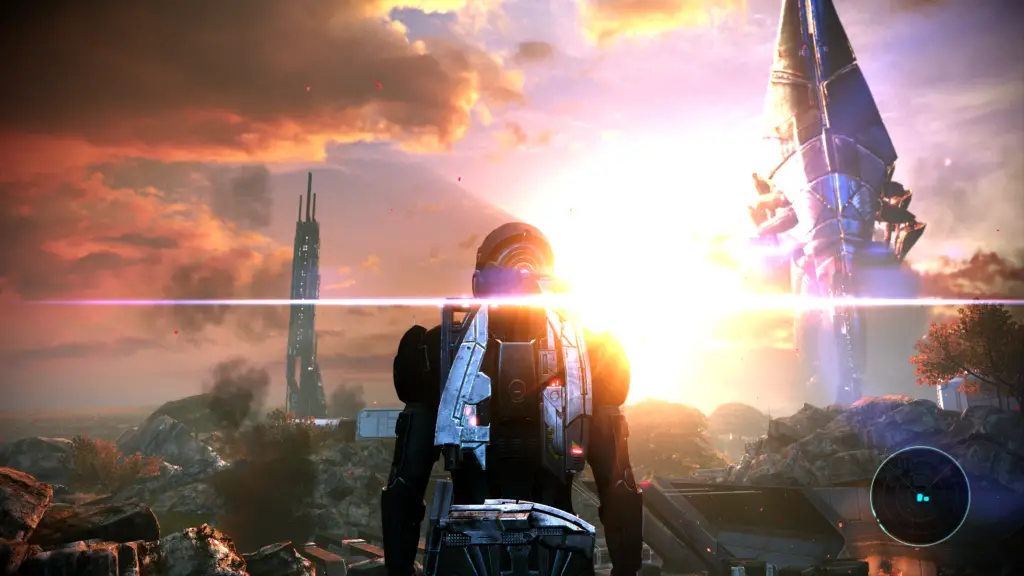
The Veilguard’s missteps suggest that modern BioWare is too detached from its classic library. It feels like mimicry—a new studio trying to wear an old studio’s clothes. Even with veteran writers like Trick Weekes (who has since moved on), the spark was missing. If the studio cannot successfully reignite Dragon Age, a franchise built on changing protagonists, how can they hope to recapture the specific magic of a Shepard-centric universe?
The Path Forward: Finding a New Identity
If BioWare is to thrive, it must find a new identity separate from its past glories. They need their own “Grey Warden” moment—a project that liberates them from the constant comparisons to games released in 2012. This likely requires starting small: focusing on innovative mechanics, tight narratives, and perhaps even utilizing AI acceleration in development to streamline workflows and focus on creativity.
The studio needs the freedom to host game jams, embrace the “indie hustle,” and rediscover what makes a role-playing game meaningful in the modern era. Sadly, as long as they are tethered to EA’s massive overhead and quarterly expectations, that path remains blocked. Unless BioWare can reclaim its autonomy, the studio we once loved may have already written its final chapter. At Digital Tech Explorer, we remain hopeful for a turnaround, but the data suggests we should manage our expectations for the 2024 releases and beyond.