

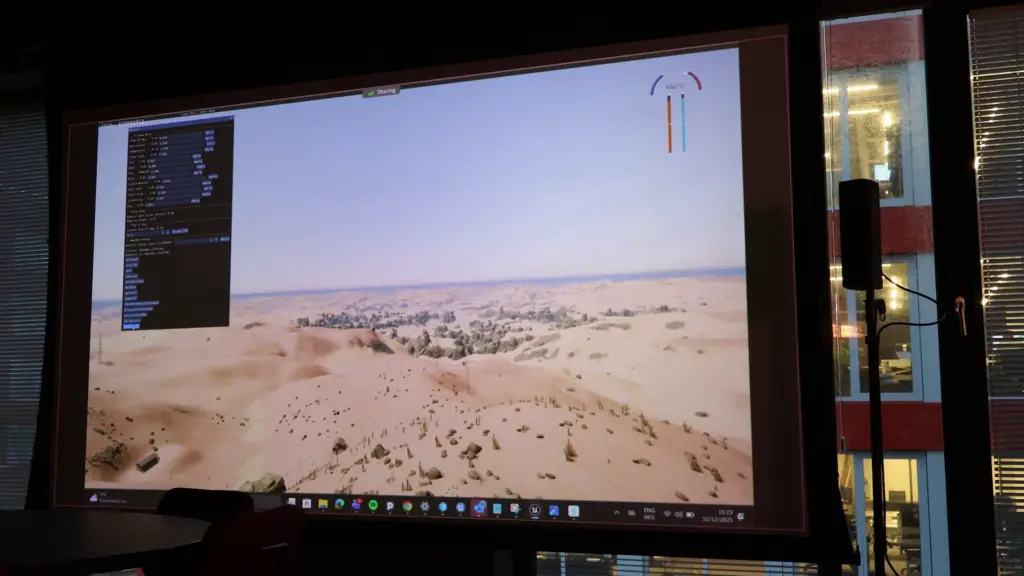
At Digital Tech Explorer, we love a good story about technological boundaries being pushed. An hour before a major presentation, developer Alexander Helliwell decided to test the limits of his desert mod experiment. His project aimed to transform the temperate forests of Prologue: Go Wayback into a stark, arid wasteland. While the conversion initially showed a significant performance uplift—thanks to the simplified geometry of sand dunes—a last-minute tweak birthed a digital anomaly: vast, unexplained stretches of a black substance marring the landscape. When asked if it was oil, Helliwell’s wide-eyed uncertainty perfectly captured the unpredictable, thrilling nature of modern game development.
The Gathering at PlayerUnknown Productions: A Modding Festival
In late 2025, the team at PlayerUnknown Productions gathered in Amsterdam for an intensive “modjam.” Developers traveled from Finland, Hungary, and the Czech Republic to step away from standard stand-ups and dive into pure creativity. Much like the creative bursts seen in the Minecraft community, this internal festival challenged the gaming development team to experiment with Prologue’s core systems using Unreal Engine 5 assets and existing game elements.
Within just 48 hours, the modjam produced a flurry of new mechanics, items, and full total conversion mods. Some teams even drafted mock-up Steam pages and marketing campaigns for their creations. Studio founder Brendan Greene noted that this experiment was fueled by a desire to give players more freedom to “fuck around and do their own thing,” exploring the latent potential of their proprietary engine.
Transforming Prologue into a Horror Experience
One of the most striking projects to emerge from the event was led by senior 3D character artist Hakan Kamar. His team successfully pivoted Prologue into a terrifying horror game. Drawing inspiration from Slenderman, the mod required players to scavenge for items while being hunted through a dense, foggy forest. A massive grey monolith, replacing the standard weather station objective, served as the eerie spawn point for the creature.
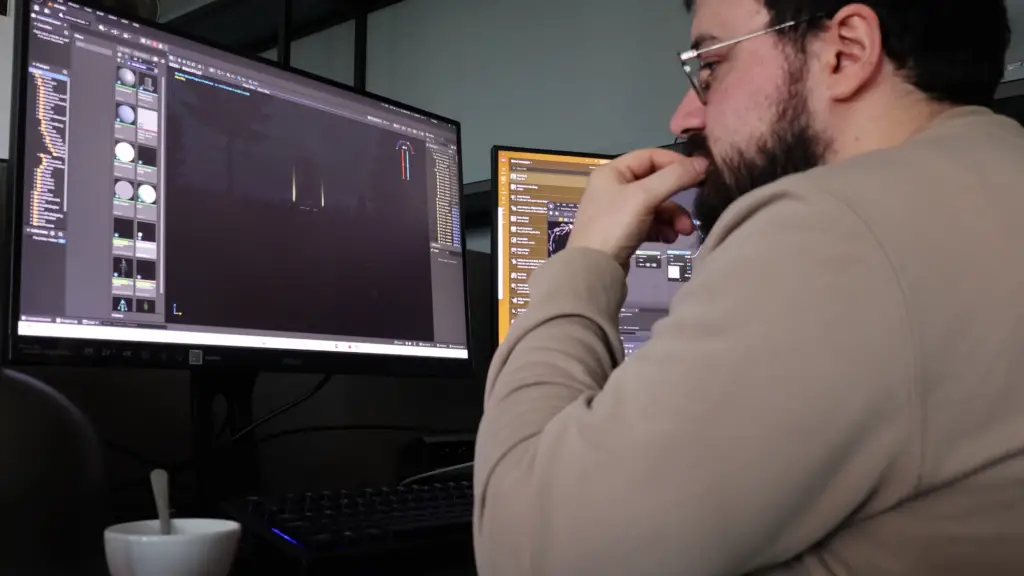
The team, including art director Jorry Rosman and programmer Yoan Rock, faced unique hurdles, such as preventing the massive monolith from glitching the game camera. A standout feature was the audio-based monster detection system developed by Miguel Salas. Taking a leaf out of the Silent Hill playbook, the mod used the song “Livin’ In The Sunlight” by Tiny Tim, which would dissolve into terrifying static as the monster approached. This level of detail highlights how hardware and software can be manipulated to create deep atmospheric immersion.
Internal Modjam Project Summary
The following table outlines the key projects developed during the 48-hour sprint at PlayerUnknown Productions:
| Project Name | Lead Developer | Key Features |
|---|---|---|
| Arizona Desert Mod | Alexander Helliwell | Sandstorm dynamics, heat/dehydration mechanics, and performance optimization. |
| Horror Total Conversion | Hakan Kamar | Slenderman-style gameplay, audio detection system, and monolith objectives. |
| Vehicle & Shopping Cart Mod | Guillaume Lucas | Hang-gliders and physics-based shopping carts for transport. |
| The Black Hole Project | Michael van den Berg | A dynamic, growing threat that devours world objects and pursues the player. |
Brendan Greene’s Vision for an Open-Source Metaverse
The chaotic energy of the modjam aligns perfectly with Brendan Greene’s broader philosophy. Greene has often spoken about the “dying” state of the modern internet, which he describes as a minefield of bots and corporate-controlled bubbles. Through Prologue, he aims to build a foundation for an open-source metaverse—a decentralized “global commons” that no single entity like Meta or Google can own.
By fostering a collaborative environment where users can build and share mods, Greene hopes to replicate the organic growth that turned PUBG into a global phenomenon. For the tech enthusiasts here at Digital Tech Explorer, this move toward open-source blockchain-adjacent philosophies (without the corporate bloat) represents a refreshing return to the internet’s communal roots.
Survival, Shopping Carts, and Destructive Physics
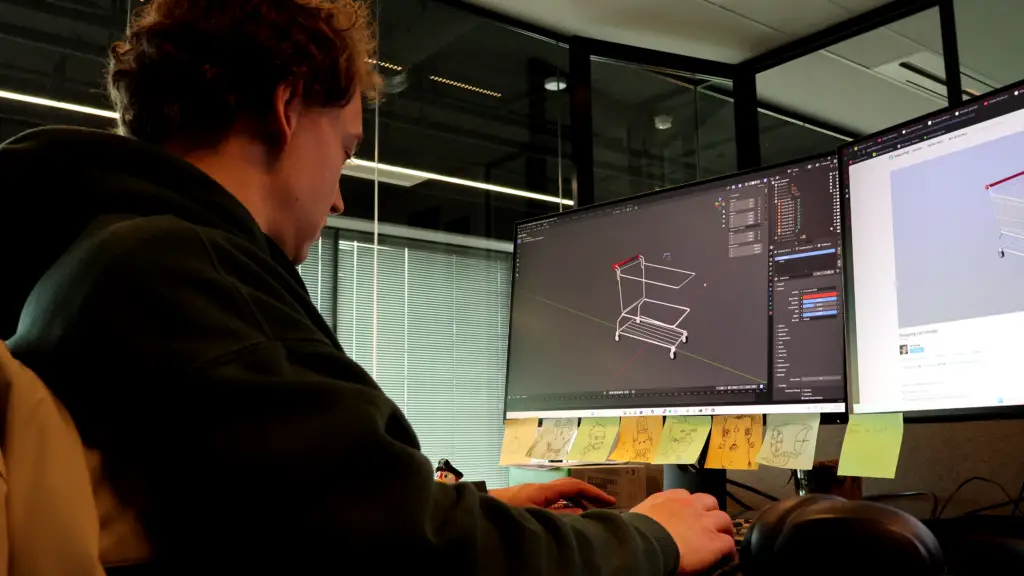
The technical variety on display was immense. While Helliwell was perfecting desert survival mechanics—naming his code “Darude – Sandstorm” for morale—another team was tackling the surprisingly difficult physics of a shopping cart. Technical game designer Guillaume Lucas and his team found that managing multiple loose objects within a moving cart often pushed the engine to its breaking point, causing hilarious but insightful crashes during the demo.
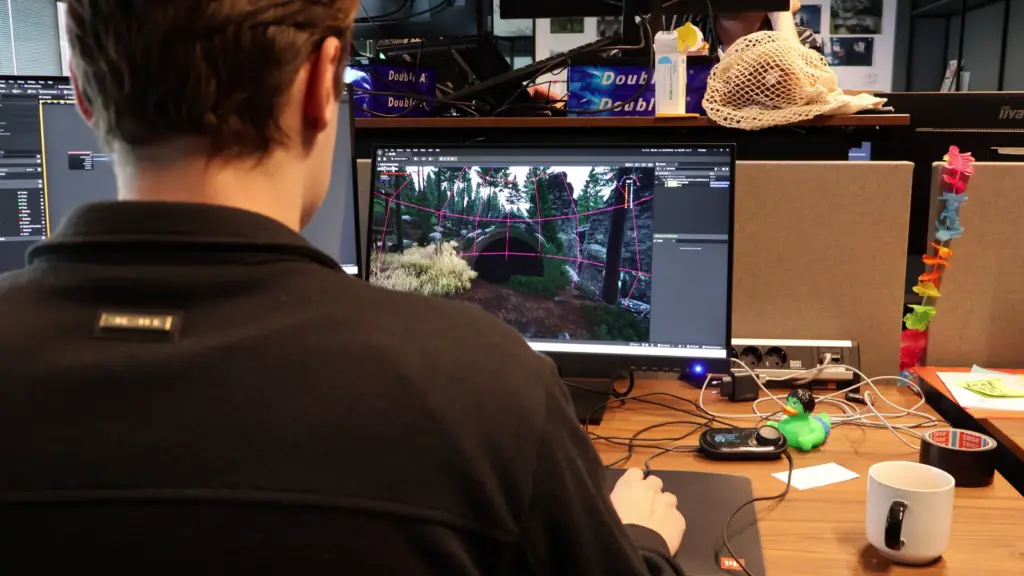
Then there was the “Black Hole” mod, a project by Michael van den Berg and Djanco Dewus. This mod introduced a predatory singularity that roamed the map, growing in size as it consumed items and structures. It functioned as a more aggressive version of PUBG’s shrinking zone, providing a cathartic way for developers to stress-test the engine’s destruction capabilities.
The Future of Creative Tinkering
If this modjam proved anything, it is that the human drive to tinker with technology remains undiminished by corporate monopolization. At Digital Tech Explorer, we believe these internal experiments are the lifeblood of technological innovation. By allowing developers to play and fail in a low-stakes environment, PlayerUnknown Productions is setting the stage for a truly collaborative and open future in PC games and beyond.
About the Author: TechTalesLeo is a dynamic storyteller and tech enthusiast who brings technology to life through captivating narratives. With a background in digital media and innovation, Leo specializes in bridging the gap between complex software solutions and everyday usability.
Disclaimer: All content on Digital Tech Explorer is for informational and entertainment purposes only. We do not provide financial or legal advice. Some of the links on Digital Tech Explorer are affiliate links; we may earn a commission if you click through and make a purchase, at no additional cost to you.