
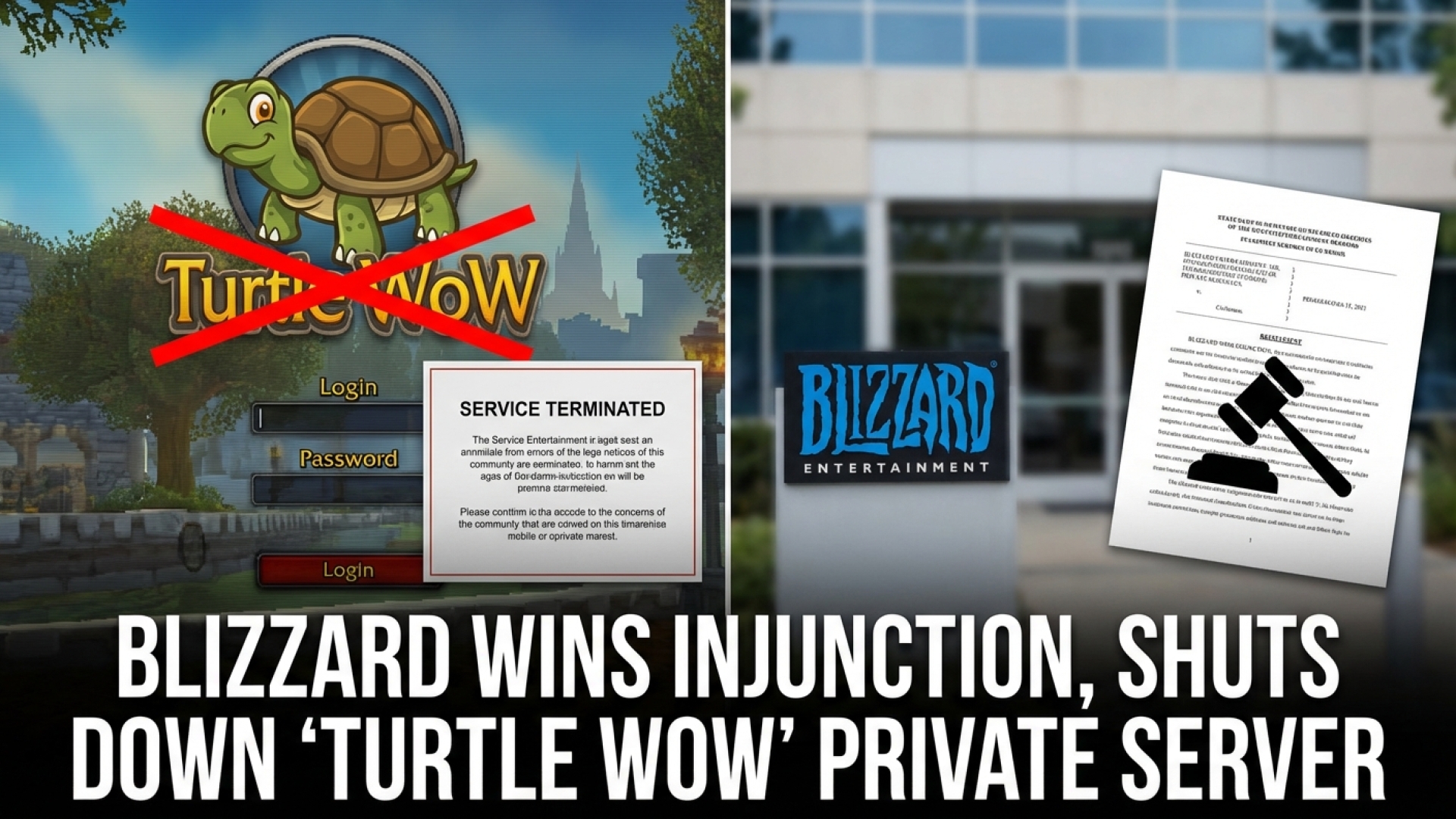
At Digital Tech Explorer, we’ve always been fascinated by how the community pushes the boundaries of legacy software. Choosing a flavor of World of Warcraft (WoW) has become as specialized as selecting a custom tech stack. Whether it’s the modern retail experience, the nostalgia of official classic realms, or niche “hardcore” permadeath modes, there is something for everyone. However, for a significant portion of the community, Turtle WoW represented the ultimate “Classic Plus”—a digital preservation project that mirrored the Old School RuneScape model by adding new, era-appropriate content to the base game.
While some fan-run projects, such as those for City of Heroes, have successfully navigated the legal landscape to obtain official licenses, Blizzard has historically maintained a strict stance on its intellectual property. From the high-profile shutdown of Nostalrius to the recent legal battle against Turtle WoW, the tension between fan-driven innovation and corporate copyright remains high. Following a lawsuit filed in late 2024, a US district court judge has officially ruled in favor of Blizzard.
The Injunction: A Developer’s Cease and Desist
Recent court documents outline a comprehensive permanent injunction. The court has ordered the developers behind Turtle WoW to immediately cease all operations, including the programming, coding, hosting, and maintaining of the server infrastructure.
Crucially for the tech community, the order also prohibits the transfer of any proprietary code to third parties to prevent the launch of a “successor” project. For developers and software enthusiasts who follow digital innovation, this represents a significant blow to the open-source-style collaborative efforts that often sustain private gaming communities.
| Feature | Official WoW Classic | Turtle WoW (Private) |
|---|---|---|
| Content Direction | Strictly 2004-2006 recreation | “Classic Plus” (New quests/zones) |
| Legal Status | Official / Licensed | Unlicensed (Injunction Issued) |
| Monetization | Subscription-based | Donation-based rewards |
| Developer | Blizzard Entertainment | Fan-run community team |
Confidential Settlement Details
Beyond the injunction, Blizzard and the defendants have reached a confidential settlement. While the financial specifics remain undisclosed, the legal filings indicate that the resolution is contingent upon specific “actions” to be taken by both parties over the coming weeks. At Digital Tech Explorer, we view these settlements as pivotal moments that often dictate how future fan-made hardware and software mods are handled in the industry.

Community Backlash and the Future of Licensing
The Turtle WoW team previously issued a formal plea for a licensing framework, hoping to bridge the gap between their passion project and Blizzard’s legal requirements. Though the server operated on a “no-fee” basis, it utilized a donation system for in-game rewards—a common point of contention in copyright law.
The reaction from the PC games community has been one of disappointment. On platforms like Reddit, users have expressed frustration that the very innovation they crave is being legally stifled. User kurtkeoki noted, “I get that intellectual property should be respected, but Turtle WoW is giving us what Blizzard won’t. I would gladly pay a subscription for something similar, but it simply doesn’t exist officially.”
As TechTalesLeo, I believe this case serves as a vital story of the friction between corporate control and user-driven evolution. For developers and tech enthusiasts alike, the disappearance of Turtle WoW highlights the need for more transparent licensing models that allow creators to build upon existing digital foundations without facing total erasure. We will continue to monitor how these legal precedents shape the software and coding landscape in 2025 and beyond.
Stay tuned to Digital Tech Explorer for more in-depth analyses of tech news and digital innovation.