
As a storyteller who has spent countless hours navigating the digital landscapes of Sanctuary, I’ve spent the last week diving back into the nostalgia of Diablo 2 Resurrected. Specifically, I’ve been testing the new Warlock class, a fun addition that lets me rain down fireballs while my summoned companion takes the brunt of the damage. However, that joy hit a familiar wall once I reached the claustrophobic corridors of the Maggot Lair and the Arcane Sanctuary. It’s a reminder that even the most beloved classics come with their fair share of friction.
At Digital Tech Explorer, we often look at how software evolution impacts user experience. Diablo 2, while a masterpiece, still clings to the archaic stamina bar—a mechanic even creator David Brevik has expressed regret over. On the other end of the spectrum, Diablo 4 introduces the modern “live-service” challenge: an overwhelming sea of currencies that can make casual play feel like a bookkeeping chore. This friction explains why a massive segment of the community continues to find sanctuary in the streamlined, high-action environment of Diablo 3.
The Surprising Longevity of Diablo 3
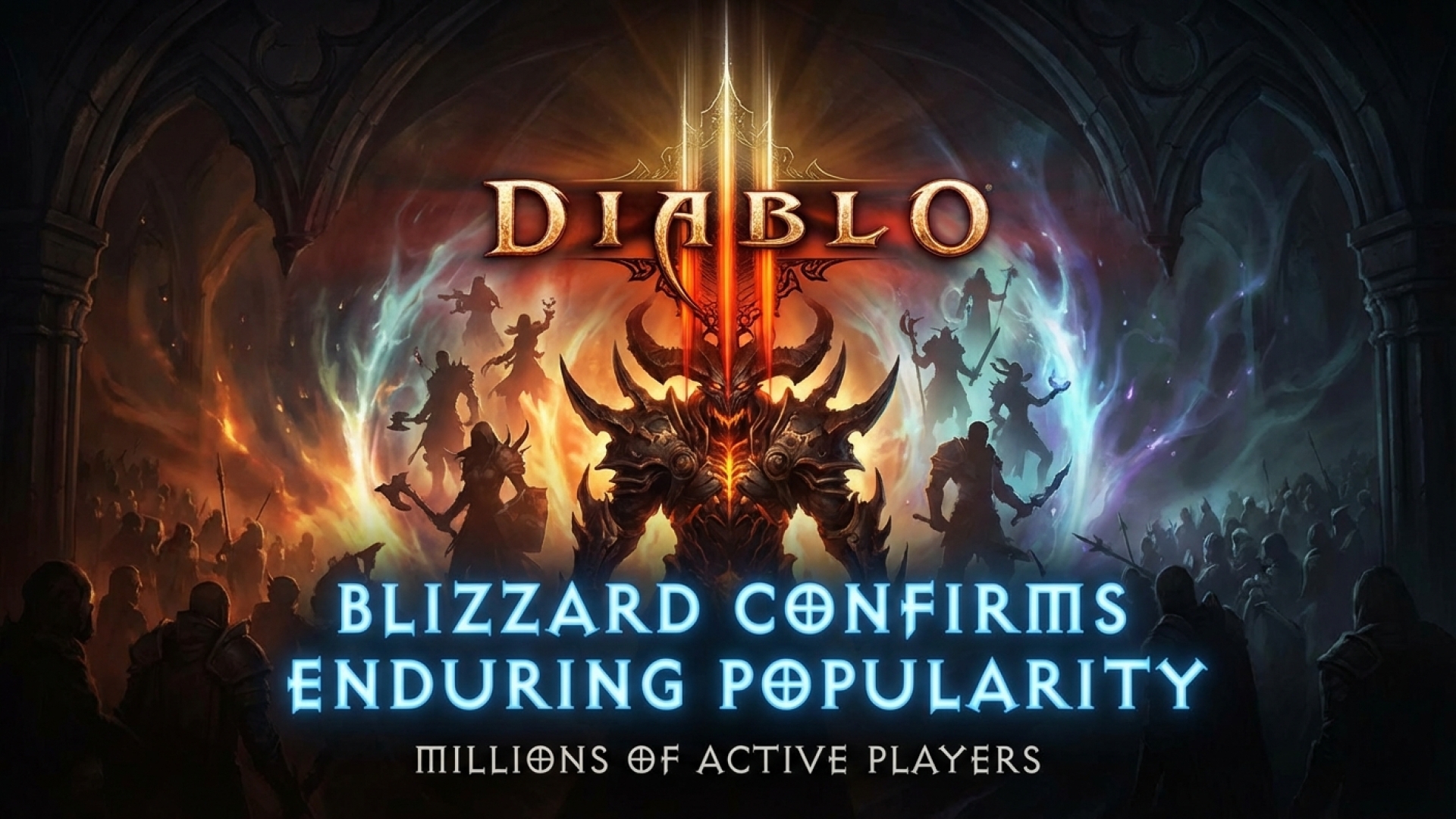
While many assumed the player base would migrate entirely to newer titles, Matthew Cederquist, Diablo legacy executive producer at Blizzard, recently revealed a different reality. Speaking with Eurogamer, he noted that millions of players still call Diablo 3 home. “Even when Diablo 4 came out, some players were cannibalized and brought over, but there’s still a massive player base for Diablo 3,” Cederquist explained.
This persistence highlights a fascinating trend in gaming and software longevity. Players aren’t necessarily choosing one game forever; they are rotating based on content cycles. Cederquist observed that during every ladder season, players transition between D2, D3, and D4, often returning to D3 for that tight, polished opening weekend experience before moving back to the live-service updates of the newer titles.
| Feature | Diablo 2 Resurrected | Diablo 3 | Diablo 4 |
|---|---|---|---|
| Core Philosophy | Classic, slow-paced RPG | Fast-paced, arcade action | Open-world, live-service |
| Primary Friction | Stamina & Inventory management | Less complexity in builds | Currency & Material bloat |
| Seasonal Model | Traditional Ladder races | Recycled, refined seasons | New narrative content & mechanics |
| Technical Focus | Legacy preservation | Accessibility & Fluidity | Modern AI & Graphics scaling |
Why the “Flavour of the Week” Strategy Works
From a technical and community management perspective, Blizzard has cleverly staggered these experiences. By ensuring that ladder resets for PC games in the Diablo franchise don’t overlap, they allow the “ARPG enthusiast” to stay within their ecosystem without feeling burnt out.
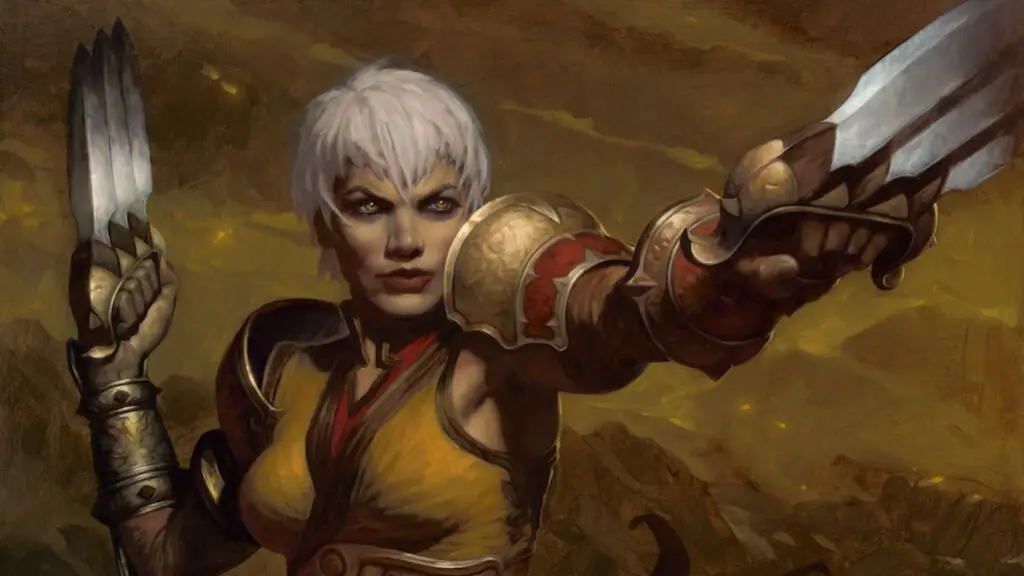
I’ve always appreciated the Monk’s ability to drop a literal giant bell on enemies—a level of satisfying “oomph” that Diablo 3 mastered after its rocky launch. It’s this accessibility, combined with refined seasonal cycles, that keeps the “millions” coming back. As Cederquist puts it, the goal is to let players jump into one “flavour” of Diablo today and perhaps a different one two weeks later.
Mastering Your Diablo Experience
Whether you are sticking with the classics or pushing through the endgame of the latest release, staying informed is key to optimizing your build. At Digital Tech Explorer, we recommend diving into the latest technical guides to ensure your hardware and your strategy are up to the task.
- Diablo 4 Boss Loot Tables: Essential for targeting specific Unique items.
- Resplendent Sparks Guide: How to efficiently save for your Mythic gear.
- Endgame Gear Optimization: Moving beyond the basics for Tier 4 content.
- Altar of Lilith Locations: A permanent boost to all your seasonal characters.
- Best RPGs of All Time: Where the Diablo franchise ranks in the broader tech and gaming landscape.
For more insights into gaming trends, software development, and the latest in AI and technology, keep exploring with TechTalesLeo right here on Digital Tech Explorer.