
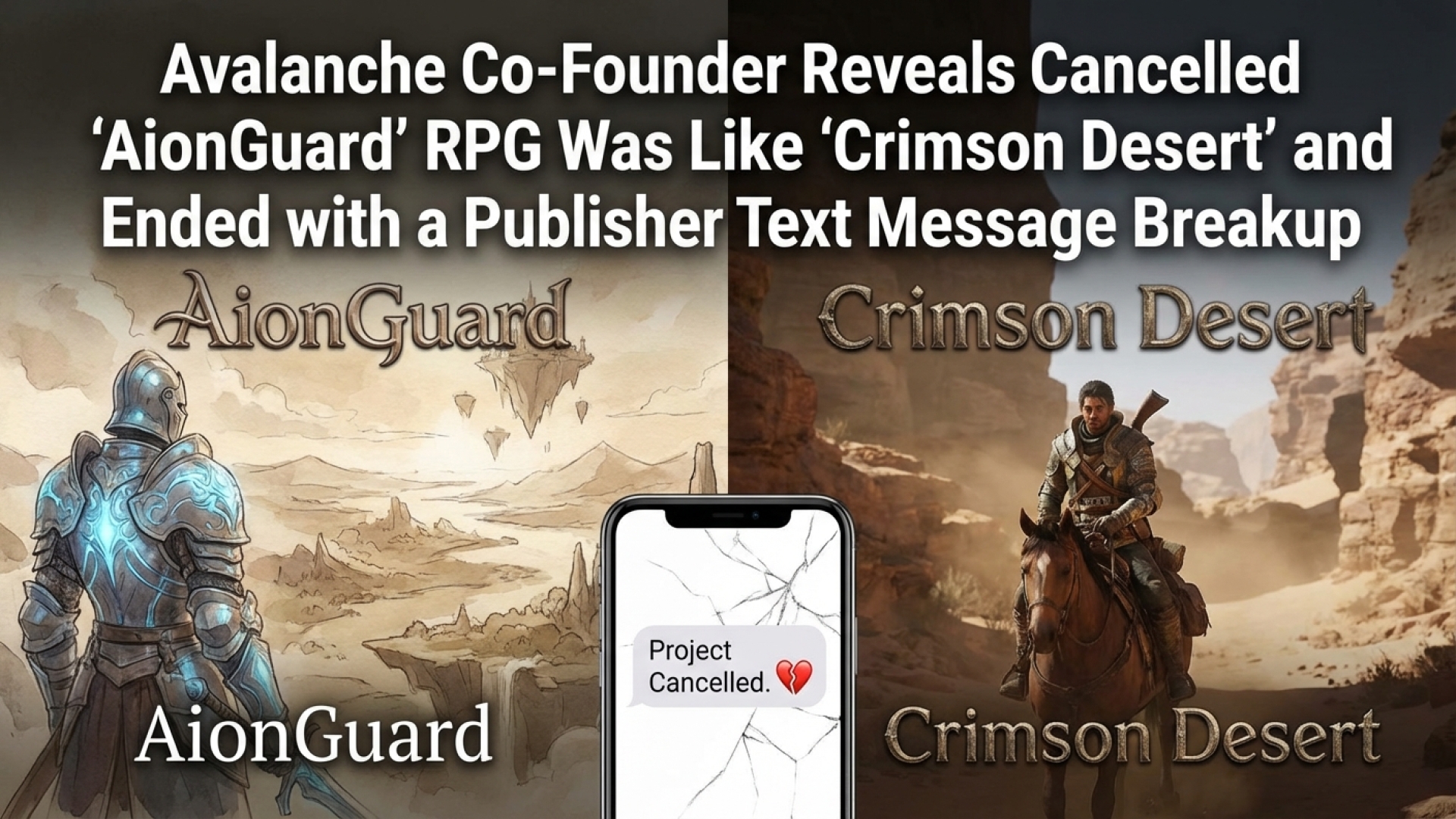
At Digital Tech Explorer, we love unearthing the “what ifs” of the technology and software world. Recently, the industry was shaken by news of the cancellation of Contraband, an ambitious co-op smuggling title developed by Avalanche Studios for Xbox. However, as any seasoned software engineer or developer knows, the road to innovation is often paved with discarded prototypes. Christofer Sundberg, Avalanche’s co-founder and former chief creative officer, recently shared a “tech tale” regarding another deeply cherished project that never saw the light of day: AionGuard.
AionGuard: The Lost Fantasy Epic
According to Sundberg, AionGuard was a project of immense technical ambition from the late 2000s. He described it as a title that “would have been Crimson Desert,” noting that Avalanche had already architected many of the systems now seen in modern high-fidelity fantasy titles. This open-world fever dream envisioned players as a powerful sorcerer-knight, utilizing advanced physics and environmental interactions to reclaim land from encroaching evil.
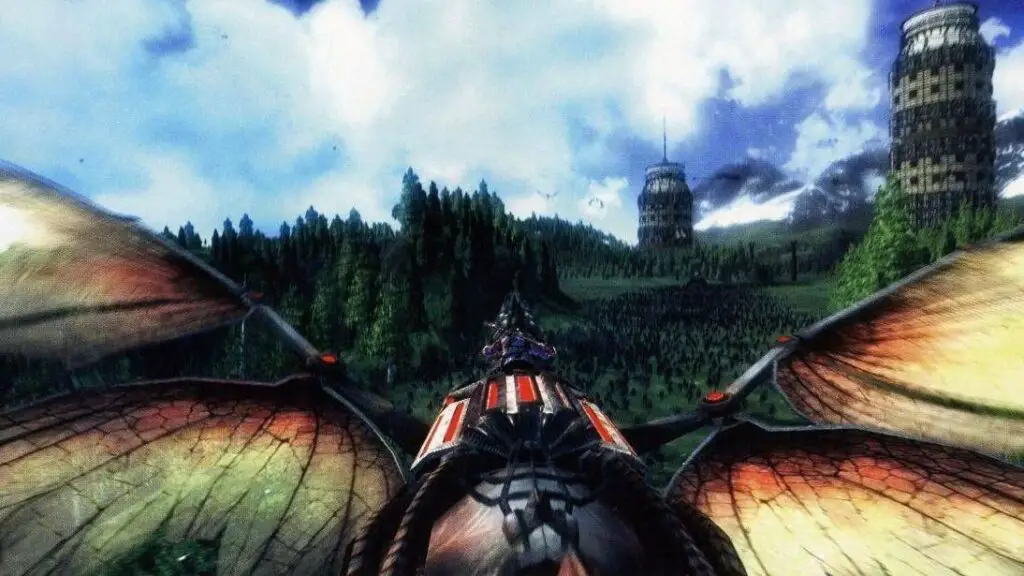
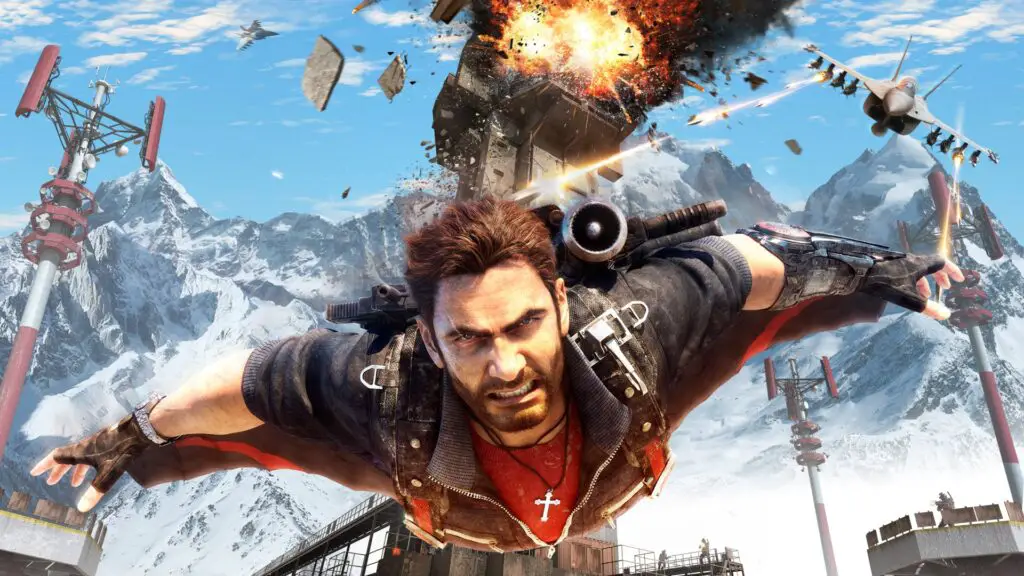
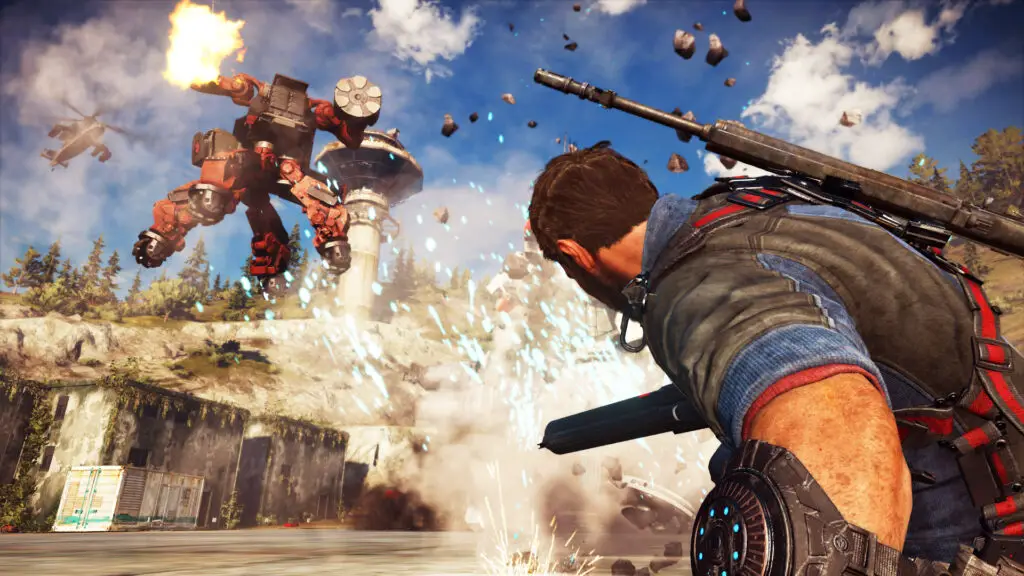
The gameplay mechanics for AionGuard evolved from the conquest-focused style popularized in Just Cause. Players would strategically weaken enemy strongholds by severing supply lines or recruiting local tribes before launching a final assault. As a formidable force of nature, the protagonist was capable of riding dragons, freezing massive enemies, and even transforming into a 60-foot golem. This level of scale was revolutionary for the time, with the development team drawing heavy inspiration from the cinematic liberation of Helm’s Deep.

The Abrupt End of a Vision
Despite two years of development, the project hit a corporate wall. Originally signed with a major publisher, the partnership dissolved when the publisher’s business strategy shifted toward established intellectual properties. Sundberg recalls the unprofessional exit: “They broke up with us on a text message, which I will never forgive them for.”
While the studio initially kept the publisher’s name quiet, former Disney Interactive Studios VP Martin Alltimes later confirmed that Disney had backed the project. Under the leadership of Bob Iger, Disney began distancing itself from adult-oriented PC games and console titles, leading to the closure of several studios and the end of the Epic Mickey series. This shift in the 2009-2010 era marked a significant turning point for many experimental high-budget titles.
A Failed Marketing Experiment
After regaining the rights to AionGuard, Avalanche attempted a bold Hollywood-style strategy. They announced the game without a publisher in January 2009, securing a massive nine-page feature in Edge magazine. Sundberg hoped that public exposure would deter competitors and attract new investors. Unfortunately, the tactic backfired; publishers viewed the pre-announced game as “old news” or “damaged goods” because it was already public knowledge. Without financial backing, the working prototype was shelved, and the project faded away.
From AionGuard to Arcadia Rising
The spirit of innovation didn’t die with AionGuard. The team transitioned to Arcadia Rising, a steampunk-inspired adventure set in an alternate-history London. This title focused on an adventurer recounting his life story, set against a backdrop of class struggle and underground mining beneath the city’s streets.
Despite delivering a high-quality vertical slice, Arcadia Rising was doomed by the financial collapse of its publisher, THQ. In the 2024 landscape of gaming, where large-scale fantasy and steampunk genres are thriving, these lost projects serve as a reminder of how corporate volatility can stifle digital innovation.
| Project Name | Genre / Setting | Primary Reason for Cancellation | Key Publisher Involved |
|---|---|---|---|
| AionGuard | Fantasy Open-World | Strategic shift away from new IP | Disney Interactive |
| Arcadia Rising | Steampunk Action | Publisher financial instability | THQ |
| Contraband | Co-op Smuggling | Internal project reshuffling (2024) | Xbox Game Studios |
For more deep dives into the history of software development and emerging hardware trends, stay tuned to Digital Tech Explorer. We remain committed to bridging the gap between complex tech history and today’s digital reality.