

Blurred Lines: How Arma 3 Gameplay is Fueling Global Digital Disinformation
At Digital Tech Explorer, we’ve always maintained that while technology empowers us, it also requires a sharp, critical eye. As a software engineer-led platform, we understand the technical fidelity of modern rendering engines, but even we are surprised by how often gaming footage is being weaponized to spread digital disinformation. In the latest chapter of this ongoing saga, high-stakes geopolitical tensions are being illustrated not by journalists on the ground, but by military simulation scripts.
I’m TechTalesLeo, and today we’re diving into a narrative where digital innovation meets deceptive propaganda, and why even the most seasoned tech enthusiasts can sometimes fall for a well-rendered pixel.
The Viral Incident on X: A Case Study in Deception
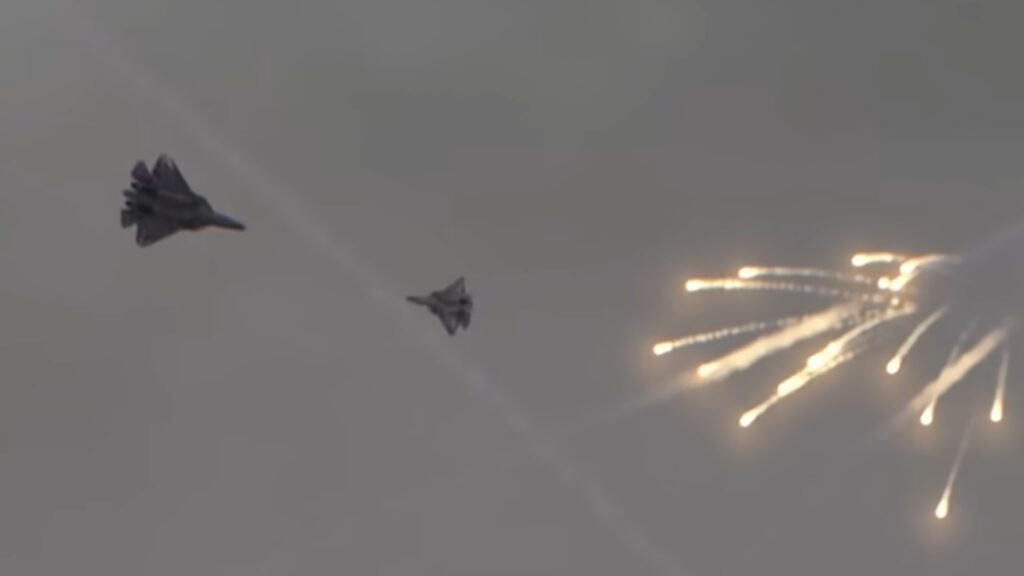
The most recent flare-up occurred on the social platform X, where an account known as ‘TheUnHeard_One’ shared a video that purportedly showed a high-stakes aerial assault. The footage featured jets navigating a barrage of anti-aircraft fire over a darkened city skyline. The caption was designed for maximum engagement: “This is one of the most AMAZING videos I have ever seen. It doesn’t even look real!”
The post claimed to show a direct attack on Iran amidst escalating tensions involving the US and Israel. Within hours, the clip had gone viral, amassing thousands of shares and fueling a firestorm of misinformation. The irony of the caption—stating it “doesn’t even look real”—was lost on many who took the footage as authentic combat evidence.
Debunking the Pixels: From War Thunder to Arma 3
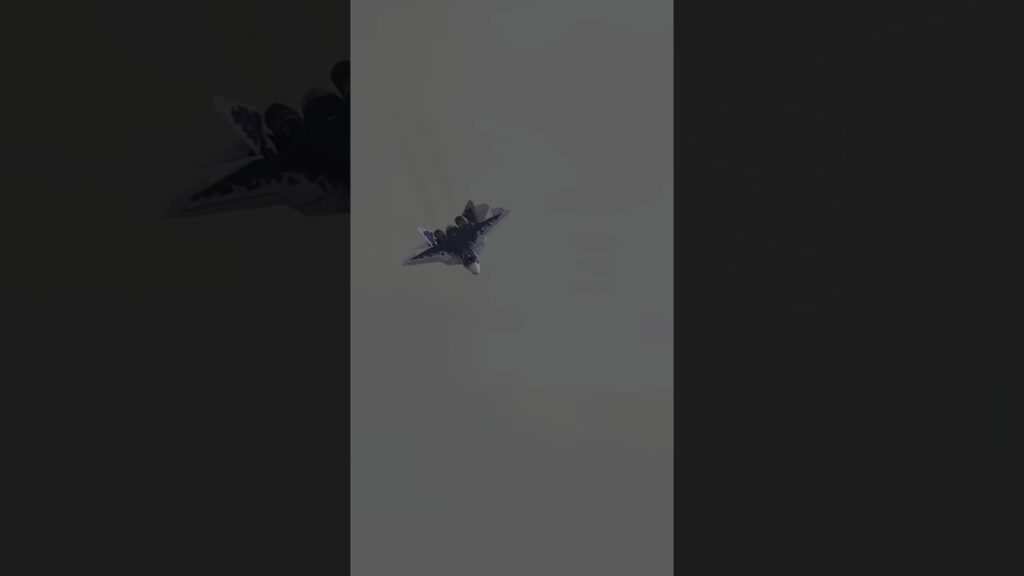
The initial wave of fact-checking through community notes on X was a step in the right direction, though it initially misidentified the source as the game War Thunder. However, the tech community at Digital Tech Explorer knows that the signature lighting and particle effects pointed elsewhere. Further investigation confirmed the footage actually originated from Arma 3, a titan in the PC games space known for its hyper-realistic military simulation.
The “combat” was actually a creative work by ‘Battle Dragon,’ a South Korean YouTube creator dedicated to Arma 3 content. The original video, posted in late 2024, was explicitly labeled as a simulation. This highlights a growing trend: bad actors strip the context and metadata from high-quality gaming content to create “proof” of real-world events.
The Role of Media Personalities and Authority
The spread of this specific video was significantly accelerated by media personality Ben Mulroney. Despite his extensive background in broadcasting, Mulroney shared the unverified clip, providing it with an air of professional legitimacy. This incident serves as a cautionary tale: when public figures with large platforms share unverified information without technical due diligence, the gap between “entertainment” and “news” disappears, leaving the public vulnerable to propaganda.
A Recurring Pattern of Digital Disinformation
This is far from an isolated event. We have seen Arma 3 and other high-fidelity hardware-demanding simulations used to mimic conflicts in Ukraine, Gaza, and Afghanistan. The developers at Bohemia Interactive have frequently had to step in, as their platform for creative military storytelling is repeatedly hijacked by those looking to manipulate global sentiment.
Bohemia Interactive’s Technical Guide to Spotting Fakes
To help our readers stay ahead of these trends, we’ve synthesized the technical indicators provided by Bohemia Interactive. Use the table below as a checklist the next time you see “unbelievable” combat footage online.
| Feature | Warning Sign of Fake/Game Footage |
|---|---|
| Visual Resolution | Deliberately low resolution, pixelated, or blurry to hide digital assets. |
| Camera Movement | Excessive “shaky cam” or filming a monitor with a smartphone to mimic handheld reality. |
| Lighting & Time | Often set at night or in heavy fog to obscure a lack of environmental detail. |
| Audio Quality | Frequently muted or overlaid with generic “war” sound effects to hide game-specific SFX. |
| Character Motion | A lack of people or infantry; games handle vehicles well, but human movement often looks robotic. |
| UI Elements | Check corners for “Heads Up Display” (HUD) elements, ammo counters, or compasses. |
| Particle Effects | Explosions and smoke look uniform or “separated” rather than interacting with wind/environment. |
| Asset Accuracy | Incorrect uniforms, insignias, or equipment that doesn’t match the specific region or era. |
Despite these clear technical markers, the original poster of the viral video dismissed the fact-check as “opinion.” This mindset is the greatest hurdle in the fight against digital disinformation. As we continue to explore the digital frontier here at Digital Tech Explorer, we urge our community to remember that in the age of advanced AI and high-end rendering, seeing is no longer believing.
About the Author: TechTalesLeo is a dynamic storyteller and tech enthusiast dedicated to making complex digital trends accessible and intriguing. With a focus on digital innovation and product analysis, Leo helps readers navigate the evolving tech landscape with clarity and insight.
Disclaimer: All content on Digital Tech Explorer is for informational and entertainment purposes only. We do not provide financial or legal advice.
Affiliate Disclaimer: Some of the links on Digital Tech Explorer are affiliate links. This means we may earn a commission if you click through and make a purchase, at no additional cost to you. Our recommendations are based on thorough research and personal experience.