
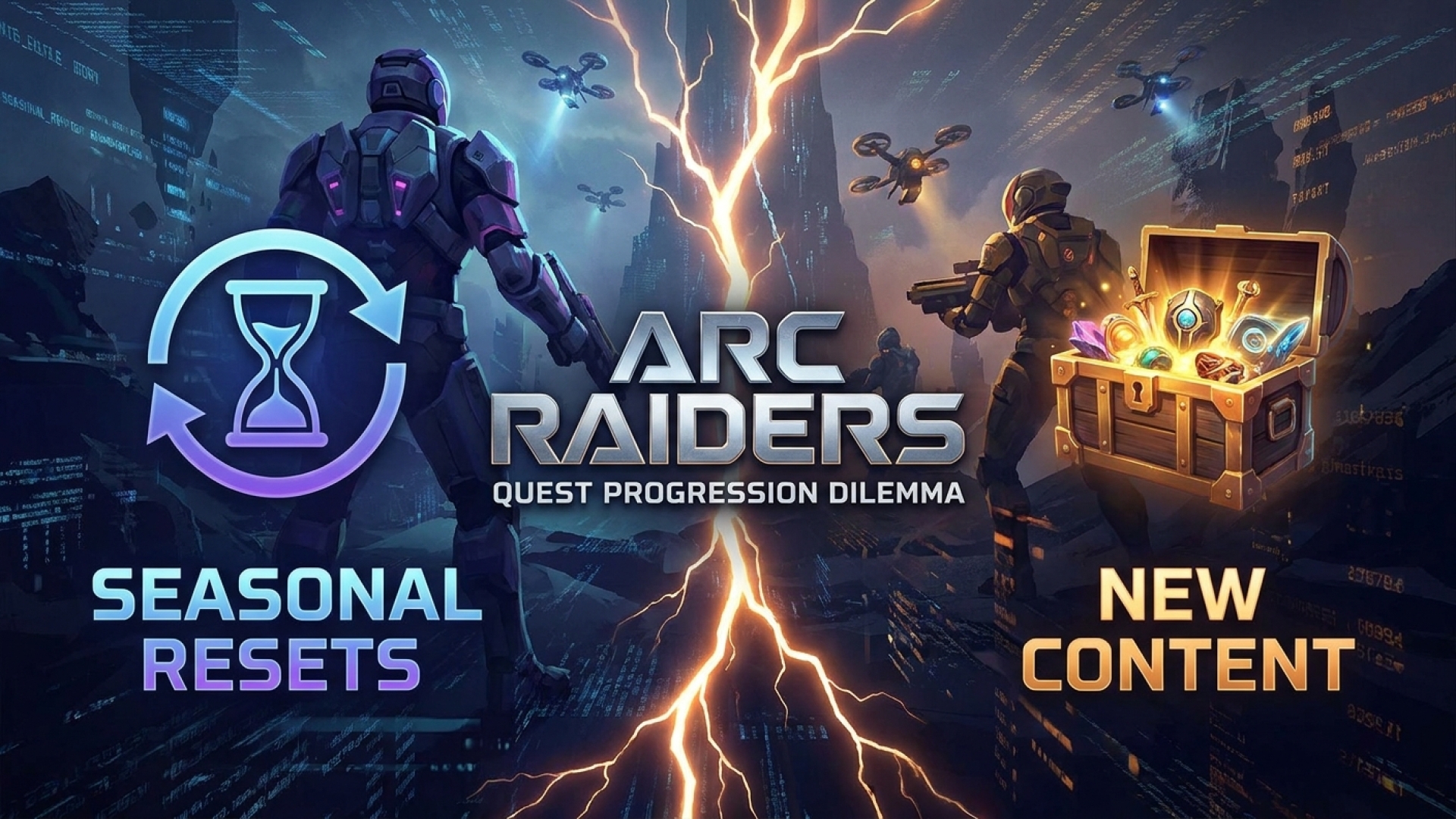
At Digital Tech Explorer, we keep a close eye on how software architecture and game design intersect to influence player experience. Recently, the Arc Raiders Expedition mechanic has undergone a significant shift, moving toward a more balanced ecosystem for its player base. The developer, Embark Studios, has responded to community feedback regarding the steep progression costs, particularly the $1 million skill points, which have been scaled down to a more manageable $600k.
This adjustment is a major win for the community. Furthermore, the system now features a “catch-up” logic: players can retrieve missed skill points from previous Expeditions at a reduced cost of $300k each. This shift in the digital economy of the game suggests a move toward player retention over pure grind-heavy gatekeeping.
Data Breakdown: The Skill Point Economy Shift
To help our fellow Raiders visualize the impact of these changes, we’ve outlined the cost differences in the table below:
| Progression Item | Legacy Cost | New Updated Cost | Savings/Benefit |
|---|---|---|---|
| Standard Skill Point | $1,000,000 | $600,000 | 40% Reduction |
| Missed Previous Skill Points | Full Price | $300,000 | Catch-up Accessibility |
| Two Missing + Two New Points | $3,000,000+ | $1,800,000 | Significantly Reduced Grind |
The math is clear: the barrier to entry for high-level builds has been lowered, allowing more room for experimentation within the PC Games landscape.

The Evolution of the Expedition Mechanic
As a storyteller in the tech space, I find the narrative of “prestige” systems fascinating. The current Arc Raiders Expedition rewards are designed to offer more than just a power creep. By participating, Raiders unlock exclusive outfits, stack consecutive bonuses, and gain permanent upgrades to stash space. This makes the prestige mechanic a lucrative endeavor for those committed to long-term play.
From a digital innovation perspective, the process of resetting and starting fresh provides a necessary “soft reboot” to the gameplay loop, preventing the meta from becoming stale. However, as any software engineer will tell you, the success of a system depends on how its dependencies are managed.

The Quest Reset: A Design Bottleneck?
While the blueprint reset is often cited as the biggest sacrifice of an Expedition, my focus—and a growing concern among the community—is the quest reset system. Currently, when a Raider embarks on an Expedition, all quest progress is wiped. While the rewards for these quests (blueprints and narrative beats) are valuable for a fresh start, the “Headwinds” update revealed a significant technical hurdle: quest dependencies.
Quest Dependencies in the “Headwinds” Update
The “Headwinds” update introduced new content that was unfortunately gated behind old quest progress. For instance, players had to complete the entire “Stella Montis” questline—including the notoriously difficult Snap and Salvage mission—just to access new update quests. This creates a friction point for players who enjoy the prestige of the Expedition Project but don’t want to re-run the same narrative gauntlet every two months.

A Path Forward: TechTalesLeo’s Recommendations
To keep the player base engaged without inducing burnout, Embark Studios could take a few cues from modern UX design and software solutions:
- Transparent Prerequisites: Disclosing quest unlock requirements before an update drops would allow players to prepare their progression paths.
- Quest Decoupling: Allow new update content to be accessible regardless of whether a player has reset their character for an Expedition.
- Vendor Integration: Implementing a vendor system where players can pick and choose quests would mimic the flexibility we see in modern digital platforms.
Ultimately, the goal is to ensure that the scavenger hunt of the Expedition Project and the narrative drive of the quests can coexist. At Digital Tech Explorer, we believe that player choice should always be the priority in game design. We want to see Arc Raiders succeed by rewarding its most dedicated players, not by forcing them into a cycle of repetitive labor.
Affiliate Disclaimer: Some of the links on Digital Tech Explorer are affiliate links. This means we may earn a commission if you click through and make a purchase, at no additional cost to you. Our recommendations are based on thorough research and personal experience.