
At Digital Tech Explorer, we are always fascinated by the intersection of complex game design and player-driven narratives. Recently, insights from Embark Studios’ Virgil Watkins (Design Director) and Bence Pajor (Audio Director) have shed light on the evolving state of Arc Raiders. As the game prepares for its next major update, Shrouded Sky, the developers addressed some of the most pressing questions regarding matchmaking, PvPvE balance, and the technical hurdles of running a live-service title.
For those of us tracking digital innovation in gaming, these revelations offer a rare look at how developers balance community expectations with the realities of emerging technology. TechTalesLeo explores the key highlights from this deep dive into the current shape of the breakout extraction shooter.
The following conversation has been edited for length and clarity.
Matchmaking and the PvE vs. PvP Balance
I think people do feel as though it’s incredibly binary, and even shooting one raider, one time, just automatically puts you into an aggressive lobby. But that’s not at all how it works.
Virgil Watkins
Question: There has been significant discussion surrounding ‘aggression-based matchmaking’ (ABMM). Some PvE-focused players feel betrayed when attacked, while PvP players worry about losing easy targets. How do you view this balance moving forward?
Virgil Watkins: It’s been interesting because the term wasn’t even something we coined. It’s not nearly as binary as people think. There’s no such thing as a strictly ‘friendly’ or ‘aggressive’ lobby; the system still mixes players. Human motivation remains the primary driver. Just because you tend toward peaceful play doesn’t remove the autonomy of another player deciding they want your gear.
The system is nuanced. It’s a series of rounds and actions, not a single shot that dictates your placement. We are continuing to tune it, but the game needs that element of tension and risk to be effective. We aren’t going to prescribe exactly who you experience based on a single playstyle.
Question: Some players suggest that if you’re shot at, you shouldn’t shoot back if you want to stay in ‘safer’ lobbies. Is that true?
Virgil Watkins: No, it’s not that cut and dry. While we acknowledge people are having fun in safer lobbies, the game mode carries inherent expectations. In our early tests, the game was hyper-aggressive; players never worked together. Seeing players latch onto friendly interactions in the live environment surprised us. It encourages us to lean forward into providing more opportunities for those fun, social moments.
Question: During community events, we see players swapping blueprints and playing music together. How do you keep the core PvP audience—those who thrive on the high-stakes extraction loop—engaged?
For me, that’s actually kind of the hope with all of it: letting players lead with their own motivations and create all those stories for each other.
Virgil Watkins
Virgil Watkins: We have to ensure the PvP side is fair and provide the right tools for combat. Our mantra remains that the game never forces you to fight others—that is your decision. We have a cohort that wants to role-play or play peacefully, and we have to be careful not to harm that experience while still fueling the motivations of PvP enthusiasts. It’s a precarious position, but the goal is to let players lead with their own motivations to create emergent stories we could never author ourselves.
Question: How much do the end-of-game surveys influence matchmaking?
Virgil Watkins: Zero. Those are strictly for our data team to gauge player sentiment. They have no mechanical impact on your matchmaking. It is solely based on your actions within the rounds.
Expeditions and Progression Mechanics
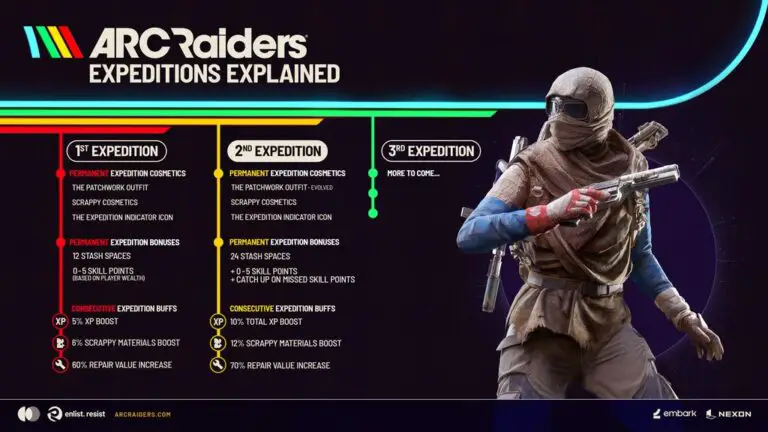
Question: We are currently in the second Expedition. How do you plan to keep the loop of re-earning blueprints interesting?
Virgil Watkins: The system is an experiment. We didn’t want to force resets on everyone, so we’re figuring out how to make participation compelling. We’ve already adjusted the currency requirements for the second Expedition because we realized the initial 5 million coins felt too much like a chore for many. We want to tie more game loops into it rather than just making it about currency value.
Question: Are there plans for more significant changes to how blueprints are handled?
Virgil Watkins: We’re going to adjust and shave off pain points. We might revamp parts of the skill tree or find other elements to make the Expedition system enticing. We’ve considered letting players bring a few favorite blueprints across—like a ‘safe pocket’ system—but blueprints represent a massive power spike. I’d rather address that pain point through systemic changes to how blueprints are acquired or learned rather than overburdening the Expedition system itself.
The Realities of Live Service Development
Question: Embark has mentioned building the ‘muscle’ of running a live-service game. What have been the biggest lessons learned so far?
Virgil Watkins: The sheer volume of response needed for active issues. Whether it’s a sudden bug or a massive DDoS attack, the team has to drop everything. We didn’t expect this many players, and responding to the wider public’s behavior is different from internal testing. Players find things in three days that we wouldn’t find in three years of internal dev time.
Question: How do you handle exploits like the recent duplication glitch without looking like certain content creators get preferential treatment?
Virgil Watkins: It’s usually a coincidence. We often have a fix ready by the time an issue ‘explodes’ on social media. We respond to things the moment we know about them. Some issues, like wall-glitching, are deeper in the engine and involve complex physics and networking—those are much riskier and slower to patch than simple logic bugs.
PvE Encounters and World Events
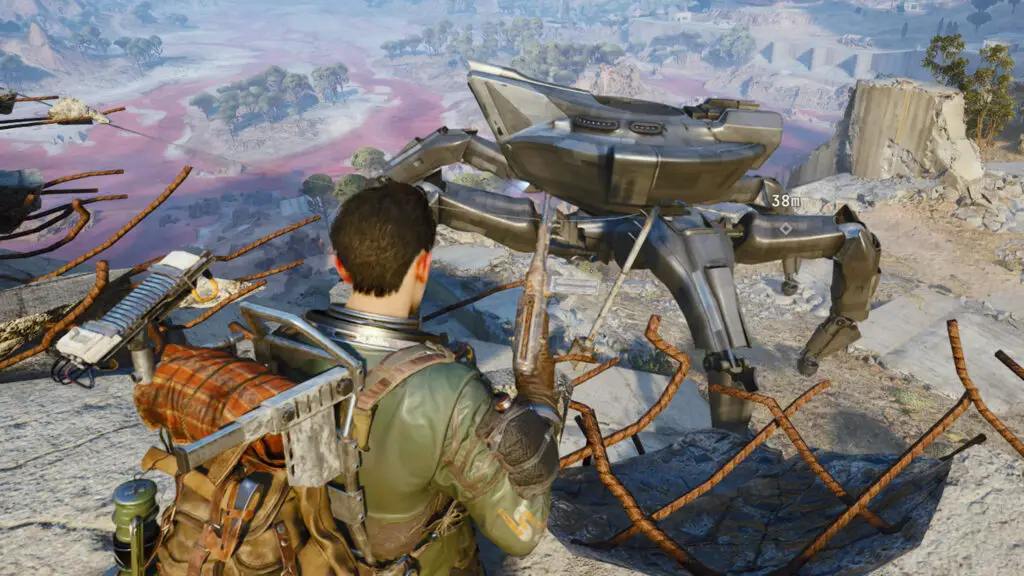
Question: Boss fights like the Matriarch and Queen often end very quickly in friendly lobbies, and loot disappears in seconds. Are there changes coming to these encounters?
Virgil Watkins: These aren’t necessarily intended for the whole server to participate in and get equal rewards. They are meant to be encounters for a few dedicated squads. However, we might have given players too many effective abilities too early. We’re looking at whether to tune them up, though we don’t even call them ‘bosses’ internally—they’re just large encounters. We want to reward the clever raider who snags scraps as much as the one who leads the fight.
Question: Events like Hidden Bunker often lead to ‘extraction camping.’ Are there plans to tweak these mechanics?
Virgil Watkins: This is a great case for revision. We had an idealized vision of how people would engage, but players found a ‘meta’ throughline. We tried placing deadly enemies near entrances as a mitigation factor, but high-end players are so effective at taking out the Arc now that it didn’t work as intended. We’ll be adjusting these mechanics while keeping their spirit intact.
Audio Design and Immersive Storytelling
Question: The weapons in Arc Raiders look like repurposed junk. How did that influence the audio design?
Bence Pajor: It’s inspiring. We talk about what the inner parts could be—pipes, improvised stocks—and I add noises appropriate to that aesthetic. We still do massive gun records to get believable sounds, capturing different calibers and barrel lengths, then reassembling them in the engine to fit these ‘scrap’ weapons.
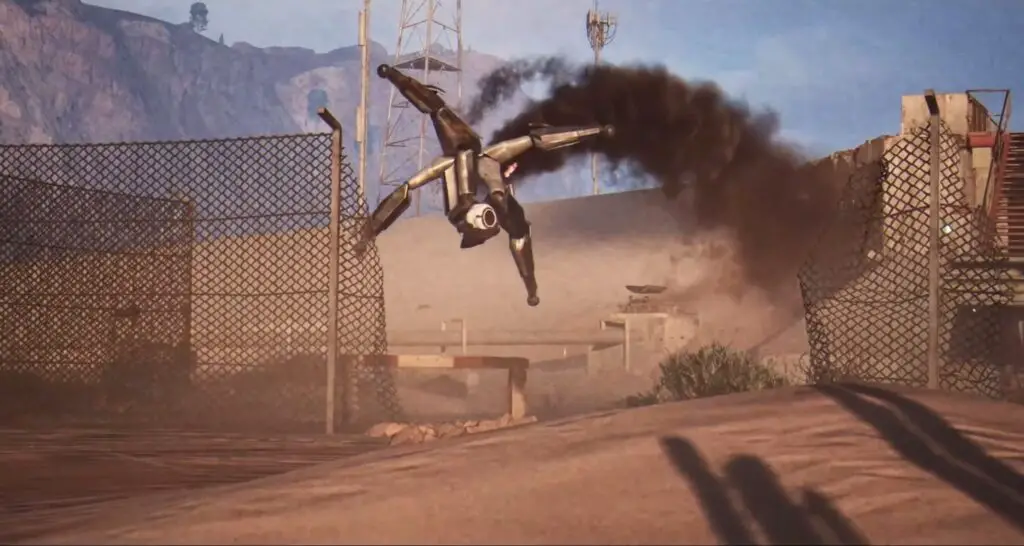
We’ve tried to stay away from them being too much like animals, because they’re not, they’re giant robots.
Bence Pajor
Question: Many Arc enemies have audio cues that sound almost biological. What was the goal there?
Bence Pajor: We want them to express something. While we use processed animal noises for expression, we combine them with mechanical sounds to remind players they are giant robots. We also focus on ‘mundane’ sounds during downtime. The contrast between ordinary, boring sounds and a sudden, dangerous mechanical noise is what creates the high tension in the environment.
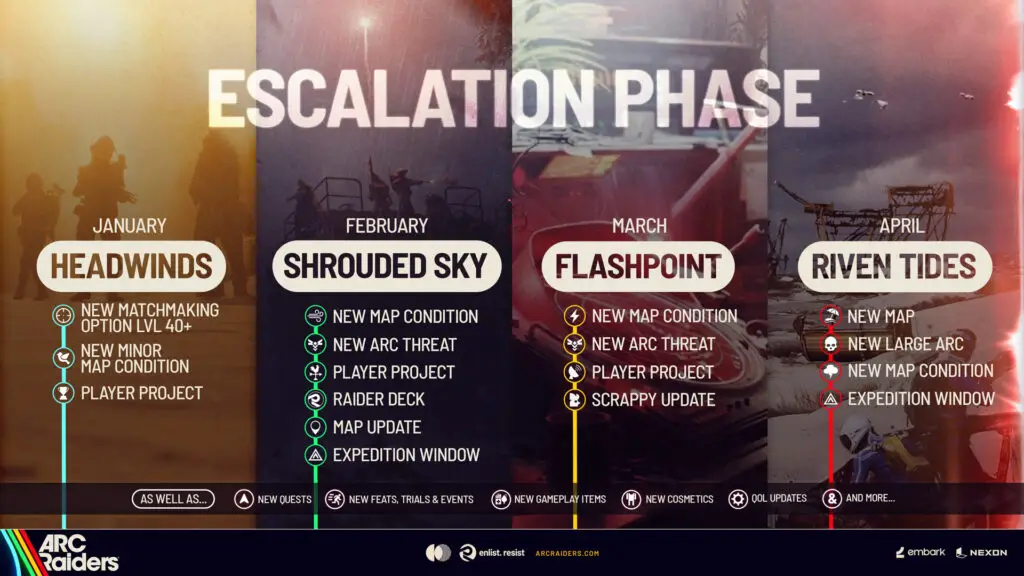
As Arc Raiders moves into its next phase, the team at Embark Studios remains focused on balancing the delicate ecosystem of its hardware-intensive and visually stunning world. Stay tuned to Digital Tech Explorer for more updates on the latest releases and technical deep dives.