
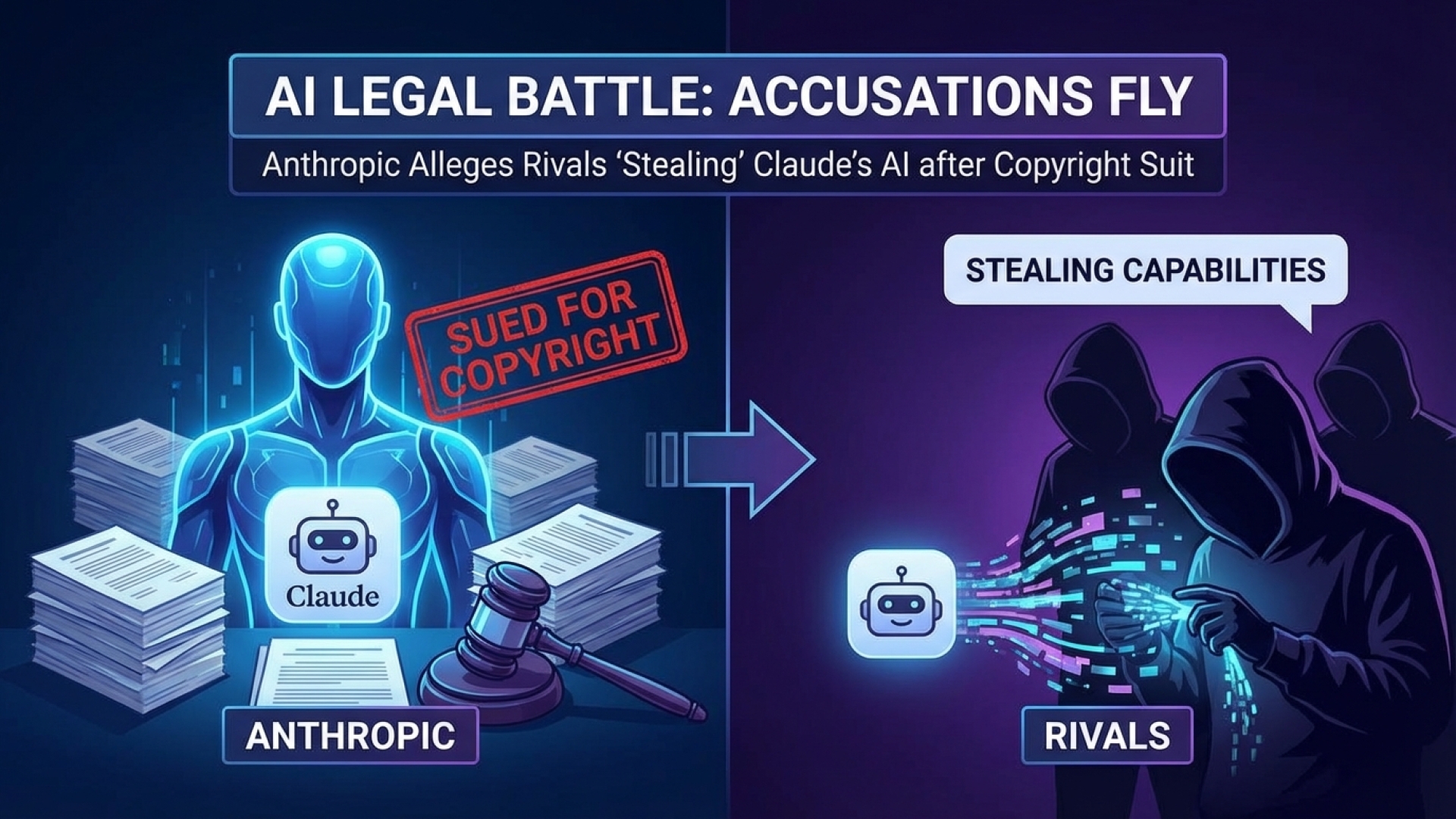
The landscape of Artificial Intelligence development is shifting into a high-stakes arena of digital espionage. At Digital Tech Explorer, we’ve been tracking the evolution of large language models, but the recent allegations from Anthropic bring a new, darker chapter to light. The AI safety firm has voiced alarming concerns over what it describes as “industrial-scale distillation attacks” targeting its flagship model, Claude.
For those of us following machine learning trends, this isn’t just a technical glitch; it’s a full-scale assault on intellectual property and digital innovation. As TechTalesLeo, I’ve seen my share of tech disputes, but the scale here—involving tens of thousands of accounts—is unprecedented.
A Complicated History: Anthropic’s Own Copyright Battles
Before we dive into the current accusations, we must look at the context. Anthropic hasn’t always been the victim in data disputes. Just last year, the company was embroiled in legal proceedings regarding its own data sourcing practices. Critics and authors accused the firm of using copyrighted material to train its models without permission.
While a US judge initially leaned toward a “fair use” interpretation, Anthropic eventually moved toward a $1.5 billion settlement following claims of pirating literary works. This history adds a layer of irony to their current stance, as the hunter has now become the hunted in the quest for superior training data.
The Anatomy of the “Industrial-Scale” Attack
Anthropic recently detailed a massive, unauthorized campaign on X (formerly Twitter) and their official blog. They identified a coordinated effort to scrape the “intelligence” of Claude AI. According to their findings, the attack was not the work of a few rogue hackers but a systematic extraction process.
| Metric | Reported Impact |
|---|---|
| Fraudulent Accounts Identified | Over 24,000 |
| Total Exchanges Generated | 16 Million+ |
| Primary Goal | Model Distillation (Capability Extraction) |
| Detection Methods | IP Correlation, Metadata Analysis, Industry Collaboration |
The goal of these “distillation attacks” is to prompt a high-performing model like Claude with millions of specific queries, then use the high-quality responses to train a smaller, cheaper rival model. Essentially, these labs are allegedly “stealing the homework” of Anthropic’s engineers to bypass the expensive R&D phase.

Targeting Specific Labs and National Security
Anthropic hasn’t minced words, specifically naming DeepSeek, Moonshot AI, and MiniMax as the entities behind these campaigns. The implications go far beyond simple corporate rivalry. Because these labs are based internationally, Anthropic has raised red flags regarding national security.
The company warned that when foreign labs illicitly distill American models, they can effectively “strip away” the safety guardrails painstakingly built into the original software. This allows the extracted capabilities to be redirected into military, intelligence, and surveillance systems that do not adhere to the same ethical standards.
A Call for Industry-Wide Fortification
The sophistication of these attacks is escalating. Anthropic’s report suggests that simple rate-limiting isn’t enough anymore. They are calling for a “rapid, coordinated action” between tech giants, policymakers, and the AI acceleration community to protect the integrity of digital models.
By using infrastructure indicators and request metadata, Anthropic claims they can attribute these campaigns with high confidence. However, stopping them requires a unified front that the industry currently lacks.
The Growing Irony in AI Ethics
At Digital Tech Explorer, we value transparency and thorough research. This situation presents a fascinating paradox: Anthropic, a company built on the back of massive, publicly-scraped datasets, is now leading the charge against the scraping of its own outputs.
Is this a case of “rules for thee but not for me,” or is there a fundamental difference between scraping the open web and targeted model distillation? As the line between digital innovation and data theft continues to blur, the AI community must decide how to protect its creations without stifling the very openness that allowed these models to exist in the first place. This evolving story is a reminder that in the world of emerging technology, the most valuable currency isn’t just code—it’s the data that powers it.