
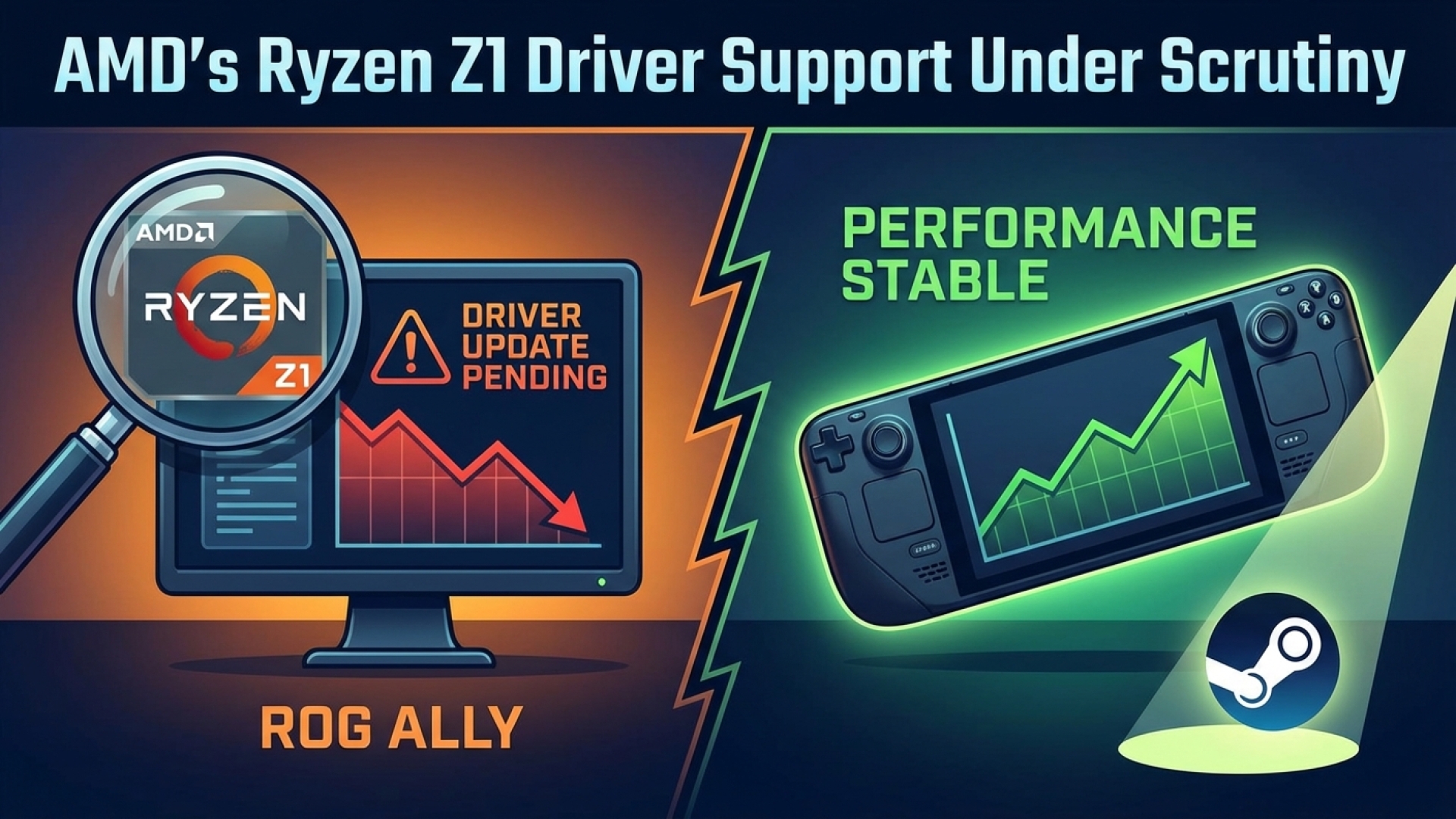
If you own a handheld gaming PC powered by an AMD Ryzen Z1 or Z1 Extreme processor—such as the Asus ROG Ally—you might have noticed a frustrating void in your system updates. It isn’t a missing app or a minor bug; it is the total absence of integrated GPU driver updates for over six months. When you consider that recent titles like Resident Evil Requiem are virtually unplayable on these devices, the rumors that AMD has deprioritized driver support for its specialized APU line start to feel like an unfortunate reality.
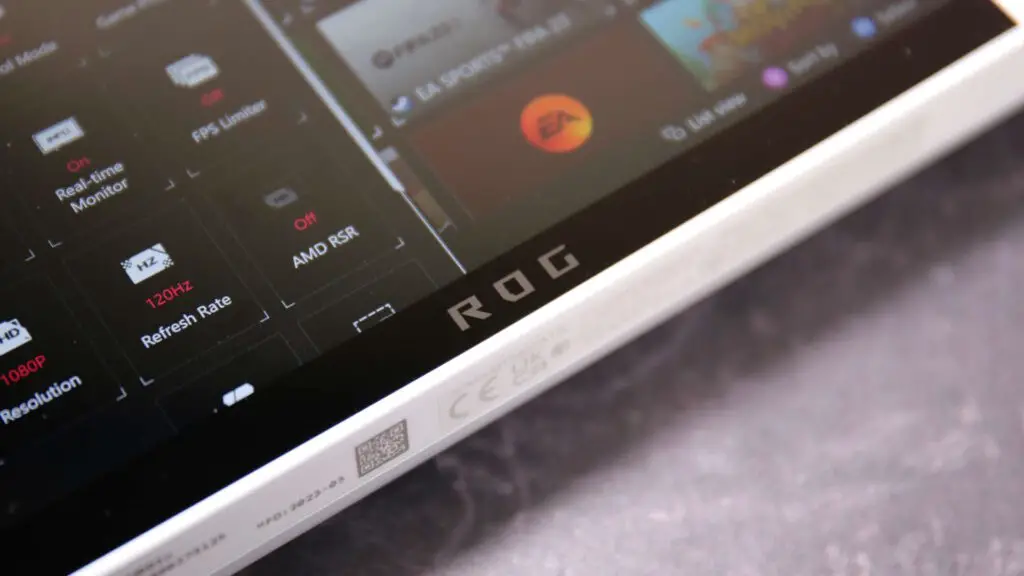
Reports of this “driver drought” have circulated across tech communities and social media, but the evidence is most apparent during real-world testing. At Digital Tech Explorer, our hands-on analysis of PC games on the ROG Ally revealed a startling trend. In Resident Evil Requiem, the device struggled to maintain even a double-digit frame rate at 720p, even with the lowest settings and aggressive upscaling enabled.
The Performance Gap: Z1 Extreme vs. Steam Deck
Initially, it was easy to assume that 2024’s high-fidelity releases were simply too demanding for 2023 hardware. However, benchmarking on the Steam Deck tells a different story. Despite having a technically less powerful AMD semi-custom chip, the Steam Deck averages roughly 40 fps in the same title. Since the Ryzen Z1 Extreme is objectively superior in raw specifications, the performance disparity points to one culprit: optimized drivers.
| Device | Processor | Driver Status | Requiem Performance (Approx.) |
|---|---|---|---|
| Asus ROG Ally | AMD Ryzen Z1 Extreme | Outdated (6+ Months) | <15 FPS |
| Steam Deck | AMD Custom Aerith/Sephiroth | Frequently Updated | ~40 FPS |
| Lenovo Legion Go | AMD Ryzen Z1 Extreme | Outdated (Sept 2023) | <15 FPS |

A Widespread Issue Across Z1 Handhelds
This isn’t just an Asus problem. The Lenovo Legion Go, which shares the same Z1 Extreme architecture, hasn’t seen a fresh official GPU driver since late 2023. Meanwhile, Valve continues to push boundaries with the Steam Deck, frequently integrating the latest improvements from the Mesa driver set. This constant refinement ensures that even older hardware can tackle the latest releases through software efficiency.
Why Ryzen Z1 Devices are Currently a Risky Investment
While the ROG Ally remains a capable machine for thousands of existing titles, I cannot recommend purchasing a Ryzen Z1-based handheld at this stage. Even with deep discounts, the lack of long-term software support makes these devices a poor investment for gamers looking to play upcoming 2024 releases.
The situation is particularly frustrating because AMD continues to support the Ryzen 7000-series APUs. The Ryzen Z1 Extreme and the Ryzen 7 7840U are nearly identical in architecture, yet the latest Adrenalin Edition 26.2.2 drivers do not officially recognize the Z1. This suggests that the hardware is capable of running the updates, but they are being artificially gated by software compatibility strings.
Interestingly, the Lenovo Legion Go S offers a potential workaround. If you opt for the version running SteamOS, Valve handles the driver distribution rather than relying on AMD’s specific Windows-based Z1 branch. This highlights a growing trend in the industry: software ecosystems are becoming just as important as the silicon itself.
The Future of AMD in the Handheld Market
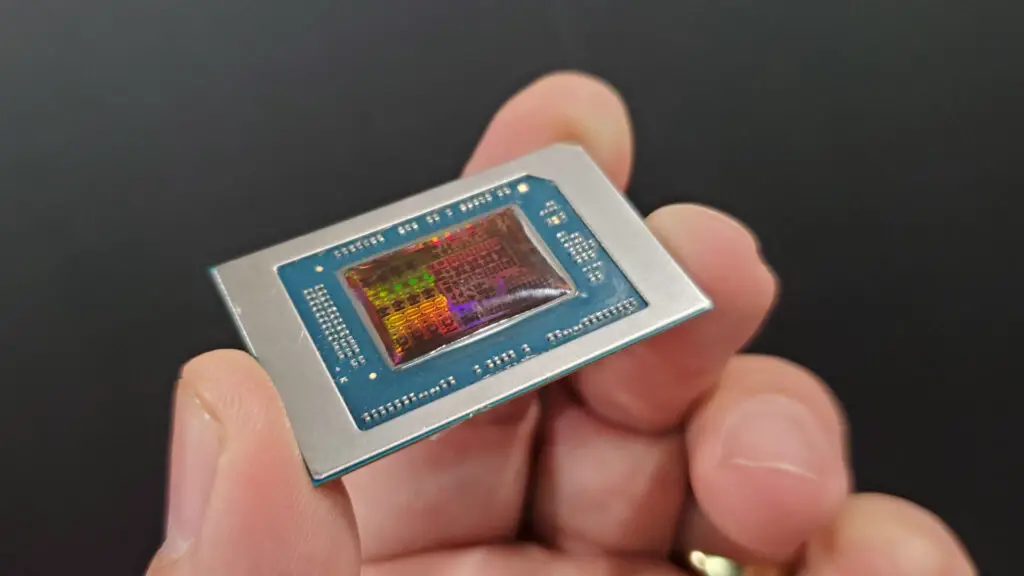
This lack of support casts a shadow over the upcoming Ryzen Z2 devices. If AMD is willing to move on from the Z1 platform after such a short lifecycle, what guarantee do enthusiasts have that the next generation won’t suffer the same fate? For a chip that is essentially a slightly tweaked off-the-shelf processor, the lack of unified driver support is difficult to justify.
At Digital Tech Explorer, we believe in technology that lasts. As we look toward the future of portable gaming, it is becoming clear that the safest bet for consumers is an ecosystem with proven, long-term software commitment. If a device has a “Z” in the name but requires me to wait half a year for a driver update just to play a new game, I’ll be looking elsewhere—likely toward the reliability of SteamOS.