
The gaming landscape is on the verge of its next major evolution. At Digital Tech Explorer, we closely follow the intersection of hardware innovation and software performance, and the latest news from the semiconductor world suggests a definitive timeline for the future of console gaming. Microsoft is reportedly aiming for a 2027 launch for its next-gen Xbox, with AMD once again at the helm of the silicon architecture.
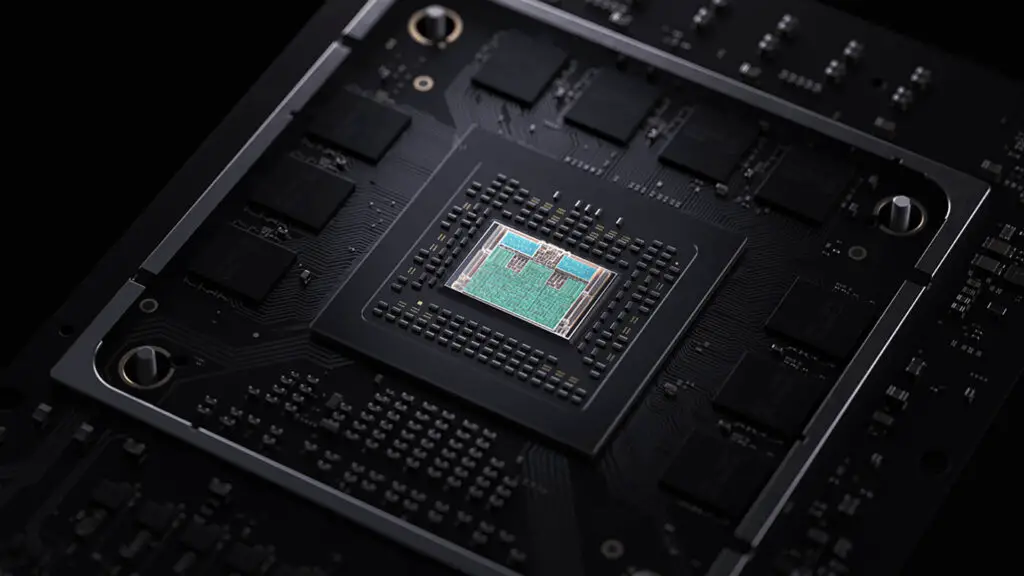
During a recent earnings call, AMD CEO Dr. Lisa Su provided a significant update for analysts and investors. She confirmed that development of the future Xbox console’s System-on-Chip (SoC) is progressing steadily. According to Dr. Su, the partnership is focused on delivering a semi-custom solution tailored specifically to Microsoft’s ambitious performance targets for the 2027 window.
The Enduring Partnership: AMD and Xbox
The synergy between Microsoft and AMD has become a cornerstone of the gaming industry. AMD’s semi-custom unit has engineered the backbone for every Xbox iteration since the Xbox One era. This collaboration has recently expanded beyond traditional consoles to include high-performance handhelds. While devices like the ROG Ally series leverage similar AMD DNA to bring the Xbox ecosystem to a portable format, the 2027 project represents a leap back into “big iron” home console performance.
Engineering a Premium Experience
Microsoft President Sarah Bond has previously teased that the upcoming hardware will represent the “largest technical leap” ever seen in a console generation. Marketed as a “very premium, very high-end, curated experience,” the next Xbox is expected to utilize cutting-edge GPU and CPU architectures that are currently only in the early stages of development.
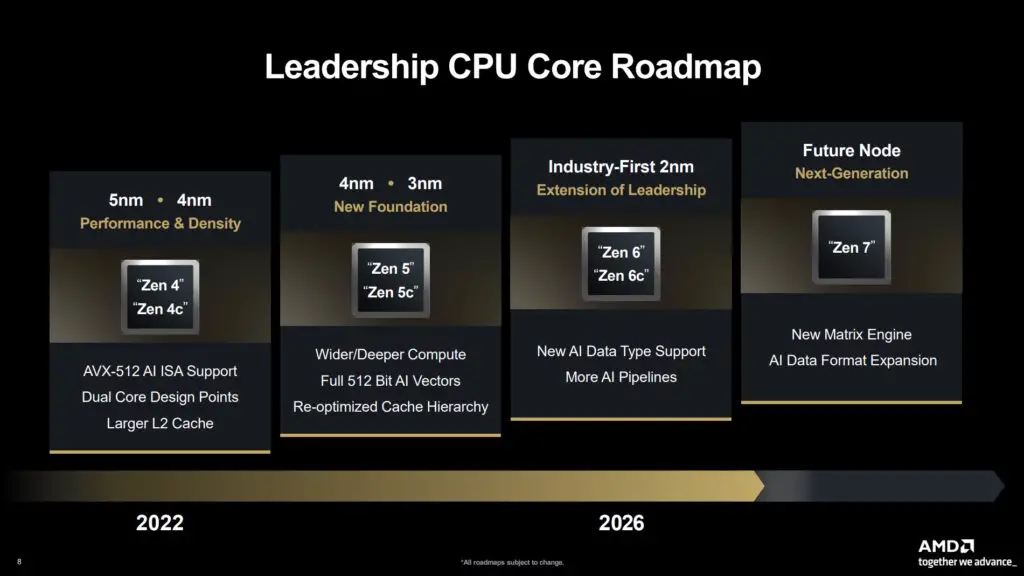
Analyzing AMD’s roadmap gives us a glimpse into the potential specs. With Zen 6 architecture arriving soon, the timing for Zen 7 aligns perfectly with a 2027 console debut. On the graphics side, AMD’s RDNA 5 GPU generation is slated for that same window. To put the potential leap in perspective, the table below compares the current generation standards with the projected 2027 targets:
| Feature | Current Generation (Series X) | Next-Gen Xbox (Projected 2027) |
|---|---|---|
| CPU Architecture | Zen 2 | Zen 6 / Zen 7 |
| GPU Architecture | RDNA 2 | RDNA 5 / RDNA 6 |
| Primary Target | 4K Resolution | 8K and Advanced AI Acceleration |
Market Pressures and the AI Factor
While the hardware roadmap looks promising, external economic factors remain a challenge. The tech industry is currently navigating a memory supply crisis. With the massive surge in Artificial Intelligence (AI) development, data centers are consuming much of the world’s high-bandwidth memory supply. This competition for resources led to price hikes for existing consoles in late 2025 and could influence the final MSRP of the 2027 Xbox.
Microsoft’s recent financial data shows a 32% decline in Xbox hardware revenues, a common trend as a console generation matures. However, this dip highlights the importance of the 2027 refresh to reinvigorate the gaming market and drive new content and services growth.
The Road Ahead for AMD and Microsoft
Despite current market fluctuations, AMD’s financial health remains robust, with a record $34.6 billion in total annual revenue. Dr. Su noted that while semi-custom revenue might see a slight dip as current consoles age, the “ramp-up” for the next generation will trigger a significant reversal in those figures.
Furthermore, AMD’s reach continues to expand through handheld innovation, including the upcoming Steam Machine refresh expected in early 2026. For developers and tech enthusiasts, these developments signify a period of intense digital innovation. As TechTalesLeo, I see this not just as a hardware update, but as a narrative shift in how we experience digital worlds. The move toward RDNA 5 and Zen 7 suggests that the next generation won’t just be about more pixels, but about smarter, more immersive environments powered by sophisticated machine learning integration.
Stay tuned to Digital Tech Explorer as we continue to track these developments and provide deep-dive analyses into the silicon powering your future gaming experiences.