
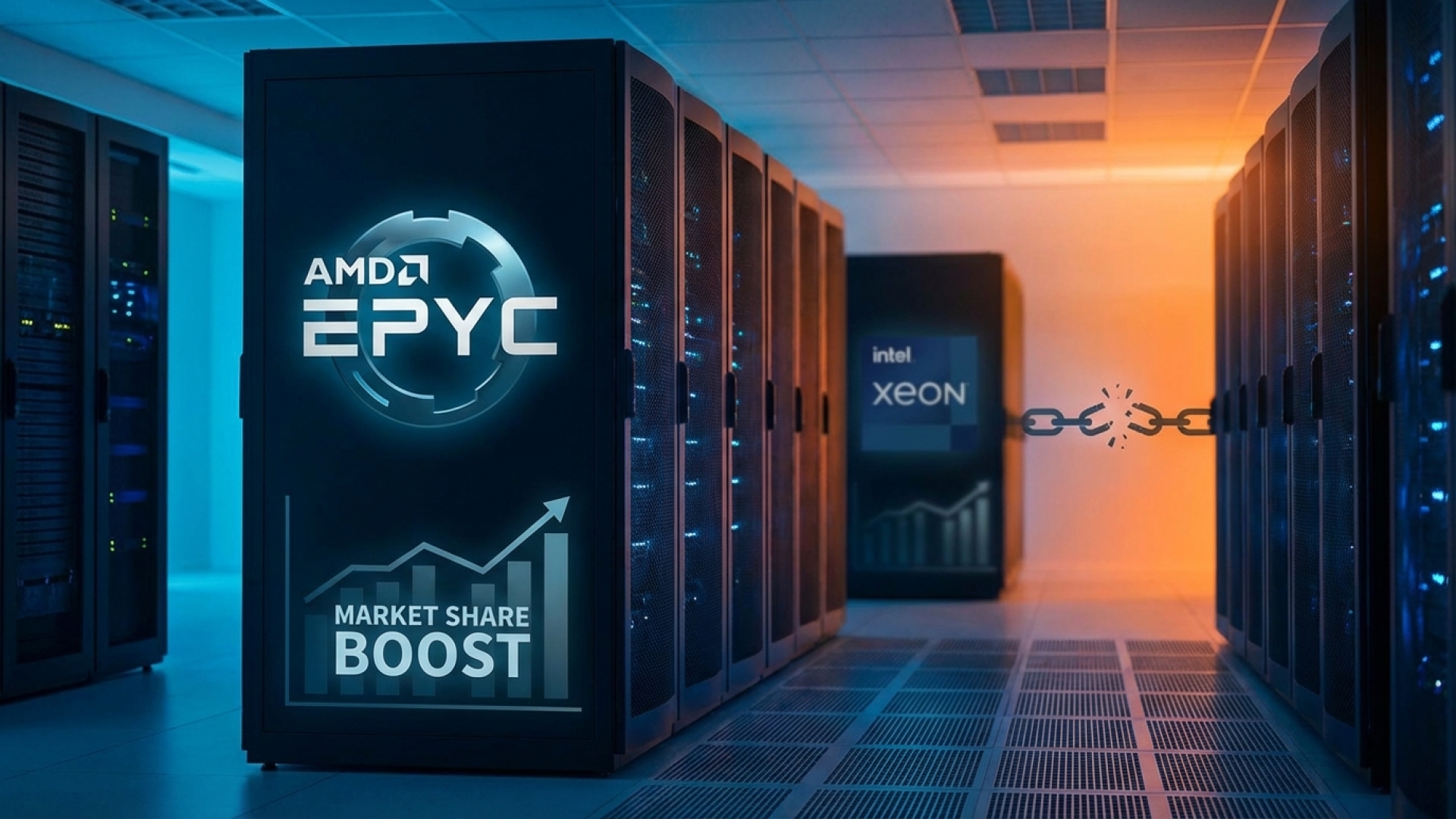
The battle for data center supremacy is reaching a fever pitch as AMD prepares to unleash its next-generation architecture. Here at Digital Tech Explorer, we’ve been tracking the shifting tides of the server market, and the latest insights from “Team Red” suggest a massive shake-up is on the horizon. AMD is no longer just a challenger; it is positioning itself to redefine performance standards while its primary rival, Intel, navigates a series of controversial design departures.
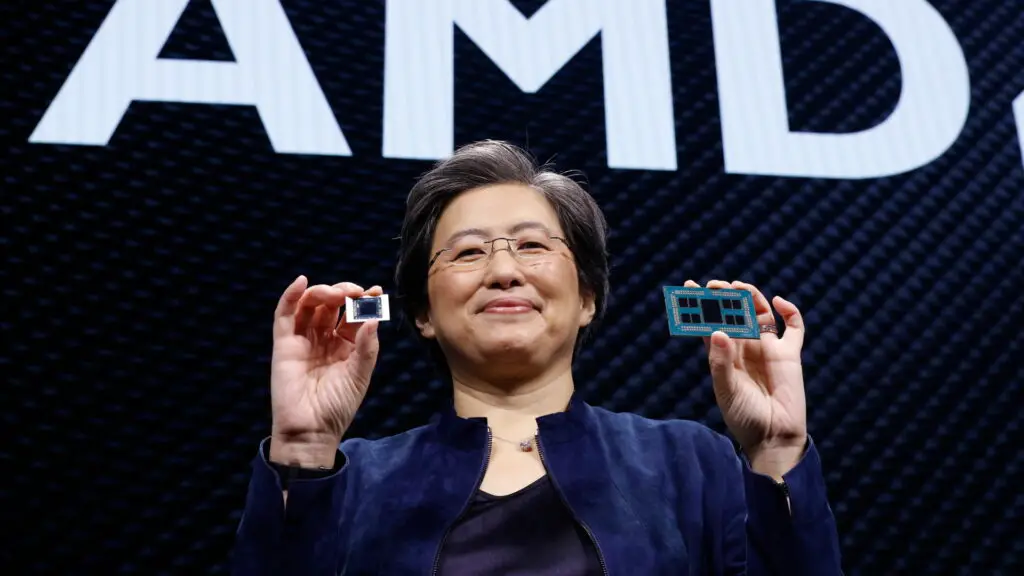
AMD’s Venice: A Calculated Leap in Server Market Share
Madhu Rangarajan, AMD’s VP of compute and enterprise AI, recently shared a compelling narrative regarding the future of server silicon. According to Rangarajan, the upcoming AMD Venice family is expected to widen the performance gap between AMD and Intel significantly. This optimism isn’t just based on AMD’s own innovation, but also on what he calls “interesting choices” made by the competition regarding multithreading.
For developers and enterprise architects looking to optimize their hardware stacks, these architectural decisions have massive implications. “We understand that our competitor has made some interesting choices on multithreading,” Rangarajan stated. “That’s going to help us gain even more market share in a broader enterprise market where that has implications to your licensing and many other costs.”
The HyperThreading Controversy: Intel’s Strategic Pivot
The “choices” Rangarajan highlighted center on Intel’s decision to retire HyperThreading (Simultaneous Multi-Threading, or SMT) in its upcoming Panther Cove P-cores. These cores are the engine behind the much-anticipated Intel Xeon Diamond Rapids server processors. While Intel previously omitted HyperThreading in its 2024 releases for the mobile market to prioritize efficiency, seeing this move in the high-stakes server environment has raised eyebrows across the industry.
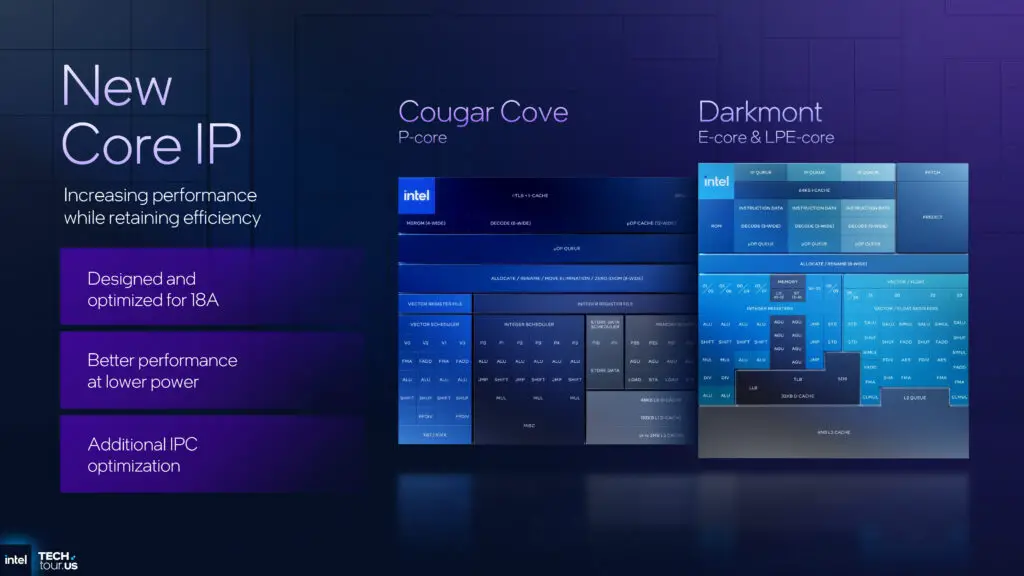
Intel’s lead x86 CPU architect, Stephen Robinson, has argued that removing SMT allows for a cleaner, less expensive design that can potentially reach higher clock speeds. However, for data centers that rely on massive parallel processing, the absence of SMT—combined with a lack of E-cores in these specific Xeon chips—could create a significant throughput deficit compared to AMD‘s multi-threaded monsters.
Comparing the Titans: AMD Venice vs. Intel Diamond Rapids
To help our community of developers and tech enthusiasts stay ahead of these trends, we’ve broken down the projected specifications for these next-gen enterprise powerhouses:
| Feature | AMD Venice (Zen 6) | Intel Diamond Rapids |
|---|---|---|
| Max Core Count | Up to 256 Cores | Varies (Performance Focus) |
| Max Thread Count | Up to 512 Threads | 1 Thread per Core (No SMT) |
| Architecture Focus | High-Density Throughput | Single-Threaded Efficiency |
| Process Node | Next-Gen TSMC | Intel 18A |
The Strategic SMT Advantage
By leaning into SMT, AMD Venice is projected to offer a staggering 512 threads per chip. In the world of enterprise AI acceleration and cloud computing, thread density is king. More threads often mean better virtualization density and, as Rangarajan noted, potentially lower software licensing costs when those licenses are tied to physical sockets rather than logical cores.
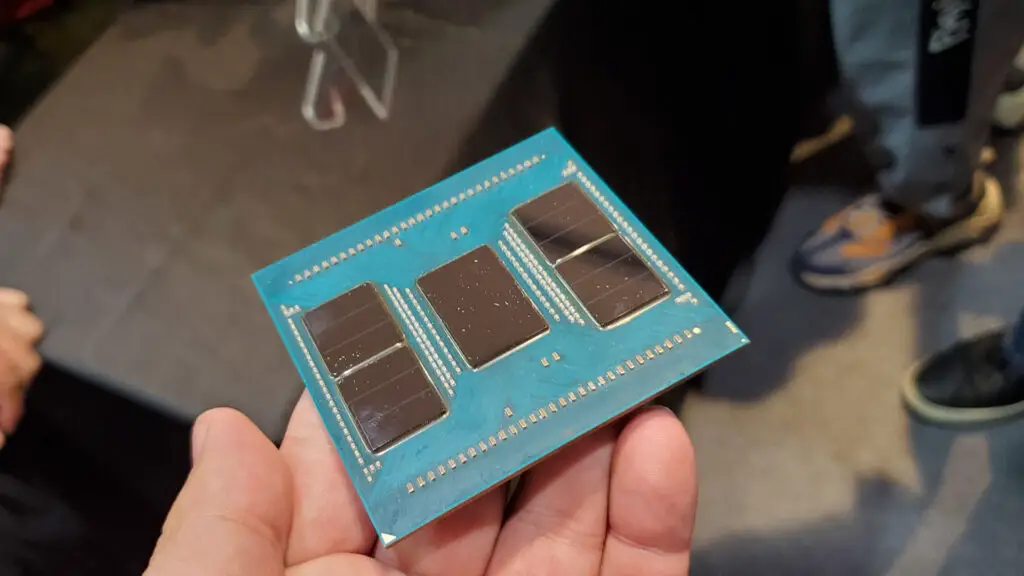
Intel isn’t standing still, however. Intel fellow Srini Krishna emphasized that the Xeon 6 family offers exceptional aggregate value in security and efficiency. Interestingly, Intel’s management seems to realize the risks of their current path. CEO Lip-Bu Tan has already signaled a return to SMT in the generations following Diamond Rapids, admitting that moving away from multithreading placed the company at a competitive disadvantage.
Current Market Landscape
While AMD continues to dominate our gaming and consumer recommendations, the server market remains a different beast. AMD has successfully climbed to over 40% of server CPU revenue share—a historic milestone for the company. However, Intel still retains the majority of the global install base.
As we move deeper into the era of machine learning and complex data processing, the choice between AMD’s thread-heavy approach and Intel’s streamlined efficiency will define the next decade of computing. At Digital Tech Explorer, we’ll be here to provide real-world testing and in-depth analysis as these products hit the racks.
For more insights into the latest in digital innovation and hardware trends, visit our author page to follow TechTalesLeo’s latest stories.