
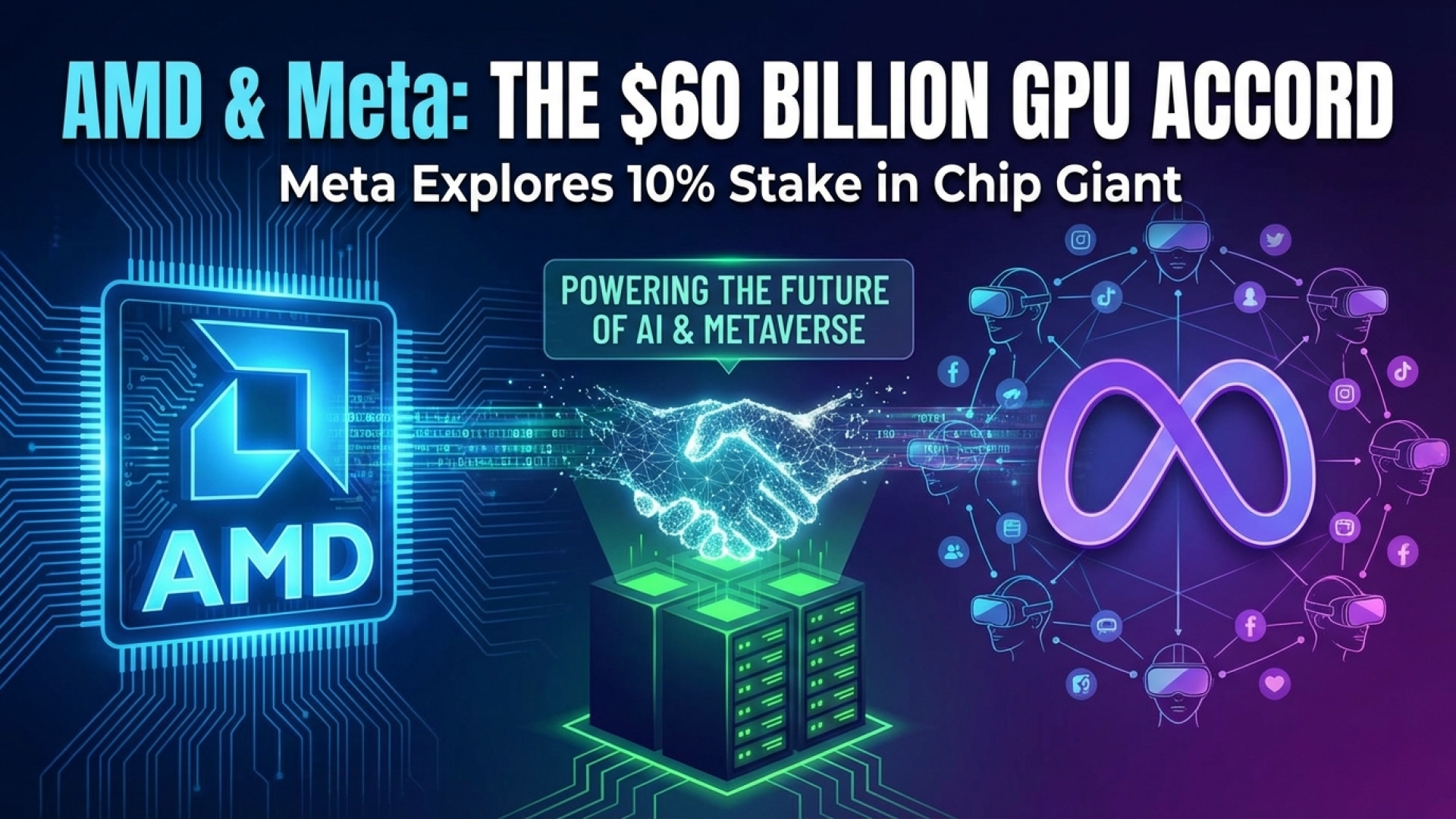
In the rapidly shifting landscape of AI acceleration, keeping track of the massive deals reshaping the industry is a full-time job. Here at Digital Tech Explorer, we’ve been monitoring a seismic shift in the relationship between silicon providers and tech giants. The latest chapter involves a monumental strategic alliance between AMD and Meta—a partnership defined by staggering financial figures and a unique circularity that could redefine corporate equity in the age of machine learning.
AMD and Meta Forge a Strategic AI Power Play
AMD and Meta have officially expanded their alliance, setting the stage for a transaction that values Meta’s acquisition of AMD GPUs at approximately $60 billion. However, the most intriguing narrative isn’t just the hardware exchange; it’s the potential for Mark Zuckerberg’s Meta to secure a 10% ownership stake in AMD, a position currently valued at roughly $35 billion.
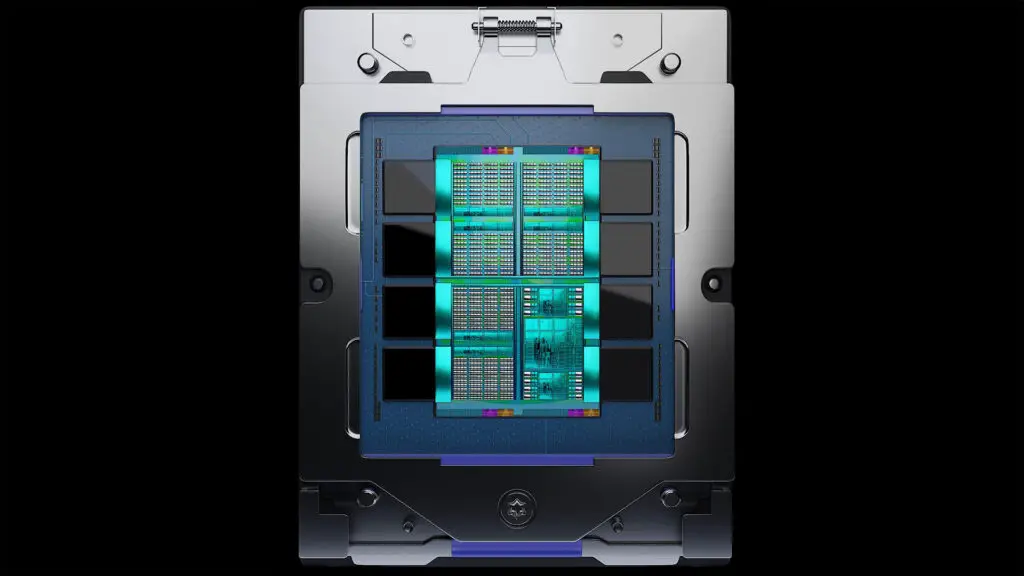
While these figures are based on market projections, the scale is undeniable. The $60 billion estimate stems from a Reuters analysis regarding the procurement of 6 gigawatts of power capacity powered by AMD Instinct GPUs. These specialized chips are the engines behind modern artificial intelligence, designed to handle the massive computational loads required for Meta’s next-generation data centers over the next five years.
The Equity Angle: Meta’s Potential Stake in AMD
The potential $35 billion equity stake is a masterclass in strategic negotiation. According to the terms of the deal, if certain technical and commercial milestones are reached—and Meta purchases a specific volume of GPUs—they gain the right to purchase up to 160 million AMD shares. Given AMD‘s current market cap of approximately $350 billion, this would grant Meta roughly 10% of the company.
The most fascinating detail of this “story” is the price point. Reports indicate that Meta may be entitled to purchase these shares at a symbolic $0.01 each. Compare this to the current market price of over $210 per share, and the deal looks less like a standard purchase and more like a massive performance incentive.
Breaking Down the Deal Structure
To better understand the magnitude of this partnership, we’ve outlined the core components of the agreement below:
| Agreement Component | Estimated Detail |
|---|---|
| Total Hardware Value | ~$60 Billion (Estimated over 5 years) |
| Hardware Specification | AMD Instinct™ Accelerators (AI Optimized) |
| Equity Opportunity | Up to 160 Million Shares (10% Ownership) |
| Meta’s Share Cost | $0.01 per share (Symbolic price) |
| Strategic Focus | High-scale AI training and inference |
You might wonder why AMD doesn’t simply lower the price of the chips. As TechTalesLeo, I see this as a clever move for AMD’s financial optics. By keeping the GPU price high, AMD maintains its profit margins and market positioning, which keeps investors and banking analysts happy. Offering equity instead of a price cut prevents a “race to the bottom” regarding the real-world value of their hardware.
What This Means for the PC Gaming Community
For those of us deeply embedded in the world of PC gaming, these massive AI deals bring a mix of excitement and skepticism. While AMD‘s financial success is vital for its continued innovation, gamers often worry that the focus on high-margin AI chips might overshadow the development of consumer-grade gaming graphics cards.
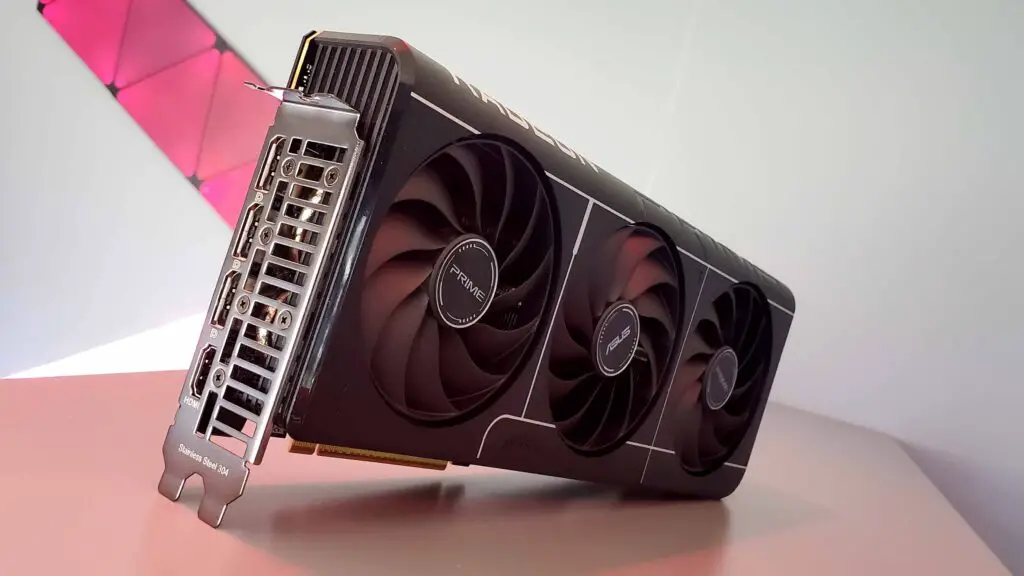
It is undoubtedly better to have a thriving, well-funded AMD than a struggling one. However, the hope remains that the revenue generated from Meta’s $60 billion purchase will eventually trickle down into the R&D for next-generation Radeon cards. In the current market, the gravitational pull of AI is strong, but for enthusiasts at Digital Tech Explorer, the true test will be how AMD balances these enterprise “mega-deals” with its commitment to the gamers who supported the brand long before the AI boom.
As we continue to track these developments, one thing is certain: the relationship between hardware manufacturers and software giants is no longer just a vendor-customer dynamic—it’s becoming a full-scale integration of interests.