
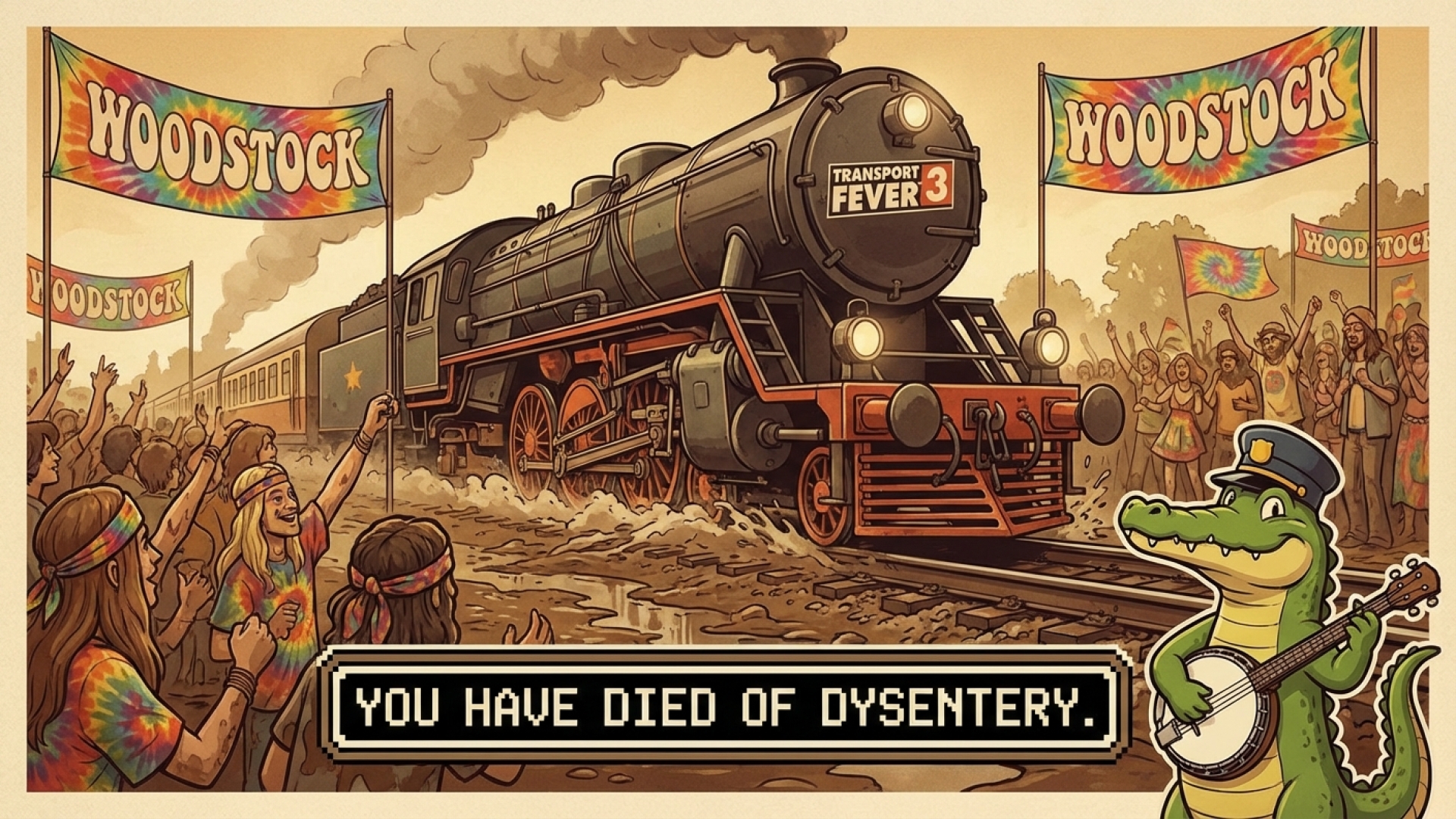
The humble transport management sim is a venerable, fundamental pillar of PC gaming that has inspired an obsession with logistics since the early ’90s. It is a genre defined by complexity—linking people, towns, and businesses through intricate webs of roads and railways. While these sims are often perceived as dry, the upcoming Transport Fever 3, one of the most anticipated 2024 releases, aims to inject a unique personality into the experience, starting with a quirky mission to kidnap alligators.
At Digital Tech Explorer, we love when technical depth meets engaging storytelling. This initial alligator-hunting escapade serves as a camera control tutorial in the first of the game’s eight campaign missions. While you eventually release the reptiles back into the wild, this whimsical opening sets a playful tone. Developer Urban Games is clearly moving beyond the traditional focus on depots and warehouses, wrapping core transport networks in a layer of narrative flair that makes the simulation feel more alive.
Unlike previous iterations that focused strictly on the chronological history of machinery, this new title explores how global history intertwines with the evolution of transportation. For instance, festivals like New Orleans’ Mardi Gras are entirely dependent on intricate planning and extensive vehicle fleets. This narrative-driven approach, a hallmark of the stories we share here at Digital Tech Explorer, provides a deeper connection to the digital world unfolding on your screen.
Engaging Campaign Missions and Digital Narratives
A diverse cast of chatty characters delivers missions and engages in dialogue, giving each logistical challenge a human element. These characters represent different viewpoints across historical moments, such as saving a celebration after a 1906 storm or orchestrating the legendary Woodstock festival in 1969. While their banter is lighthearted, the campaign missions they provide are the main attraction.
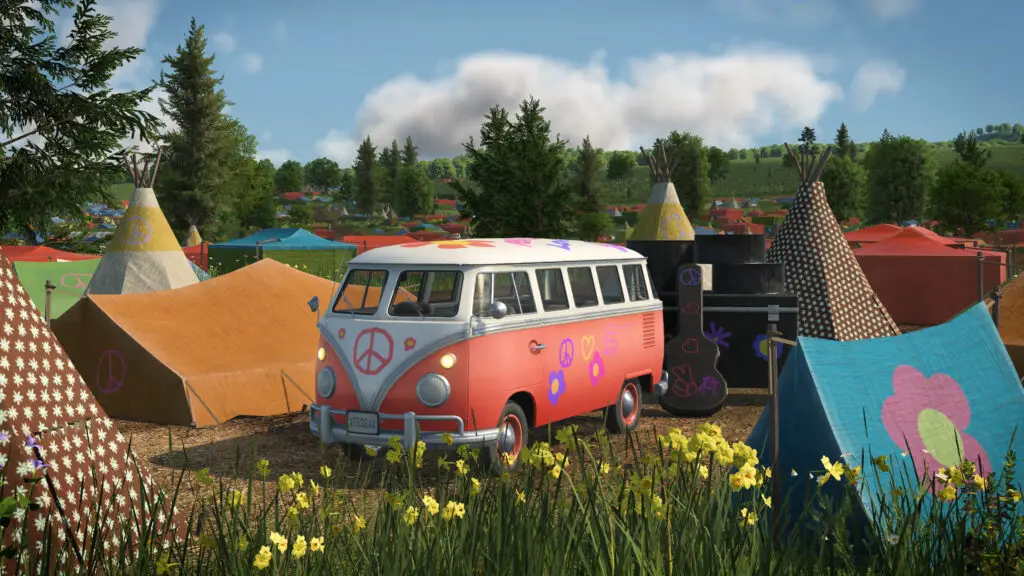
Consider the mission to set up Woodstock. Initially, your goal is transporting food to a growing campsite. However, this expansion leads to a sanitation crisis. After establishing infrastructure for waste, players are instructed to dump it into a nearby river, only to find that bathers subsequently fall ill. This creates a chain reaction: you must then pivot your efficient transportation strategy to deliver medicine within a strict time limit. It is a perfect example of how gaming can turn technical challenges into compelling stories.
| Feature | Description |
|---|---|
| Campaign Mode | 8 narrative-driven missions spanning historical eras. |
| Vehicle Attributes | Weight, speed, noise level, and passenger comfort metrics. |
| Sandbox Era | Playable timeline from 1900 through 2030. |
| City Growth | Dynamic evolution based on cargo and pollution levels. |
Strategic Transportation and Dynamic City Growth
Players have access to a wide array of transportation options, dictated by the era. Each vehicle features specific vehicle attributes—such as weight capacity, top speed, and noise level—that dictate the best solution for the task at hand. Beyond the hardware, you must account for traffic conditions and the robustness of your road network or rail network. Even a top-tier locomotive is ineffective if the surrounding infrastructure is choked by traffic jams.
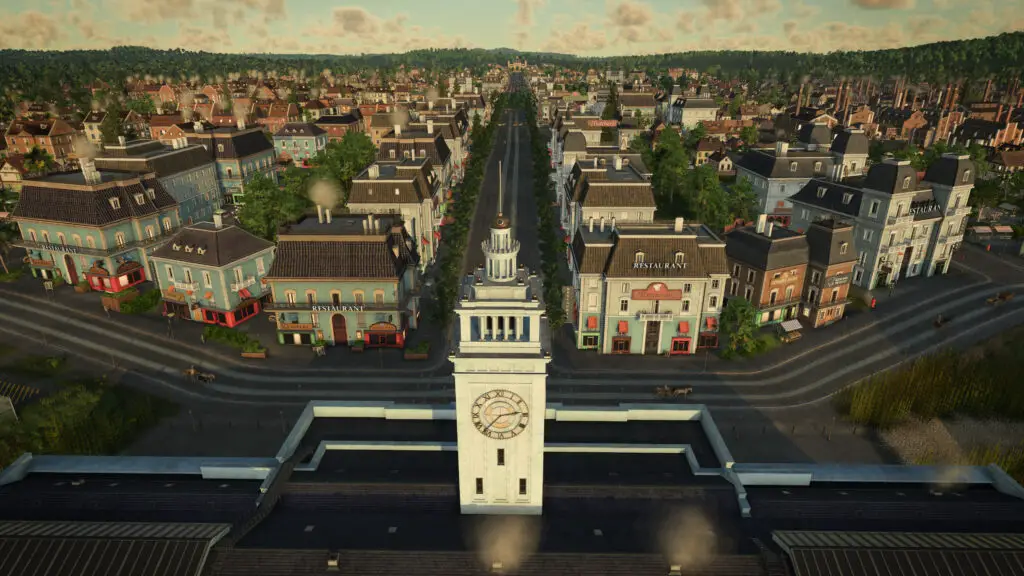
The map’s development is equally dynamic. A quiet rural road from 1920 might transform into a bustling city artery by the 1950s. This growth complicates goods transport and impacts residents’ quality of life through pollution. To mitigate this, Urban Games offers significantly more control over road design than in previous titles. This shift toward tycoon-style gameplay ensures that player decisions have visible, long-lasting consequences on the environment.
Refined Cargo Management and Evolving Civilizations
While the game expands its narrative horizons, it also sharpens its core mechanics. Unlike its predecessor, where cargo handling was largely automated, Transport Fever 3 requires a hands-on approach. You will determine precisely which cargo goes where, assigning specific vehicles to various businesses to ensure maximum efficiency.
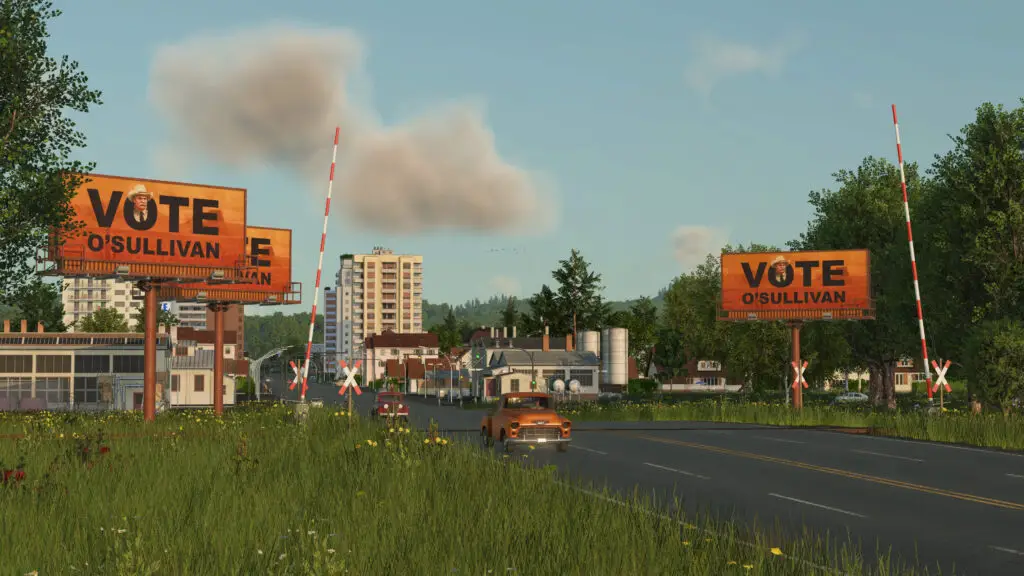
The sense of achievement is palpable when watching vehicles traverse motorways or witnessing a village grow into an industrial powerhouse. In the sandbox mode, which spans from 1900 to 2030, you observe the full evolution of civilization. Horse-drawn wagons eventually give way to high-speed trains. Interestingly, the simulated citizens also evolve; by the 1960s, widespread car ownership creates more road traffic, forcing you to adapt your passenger transport networks to remain relevant.
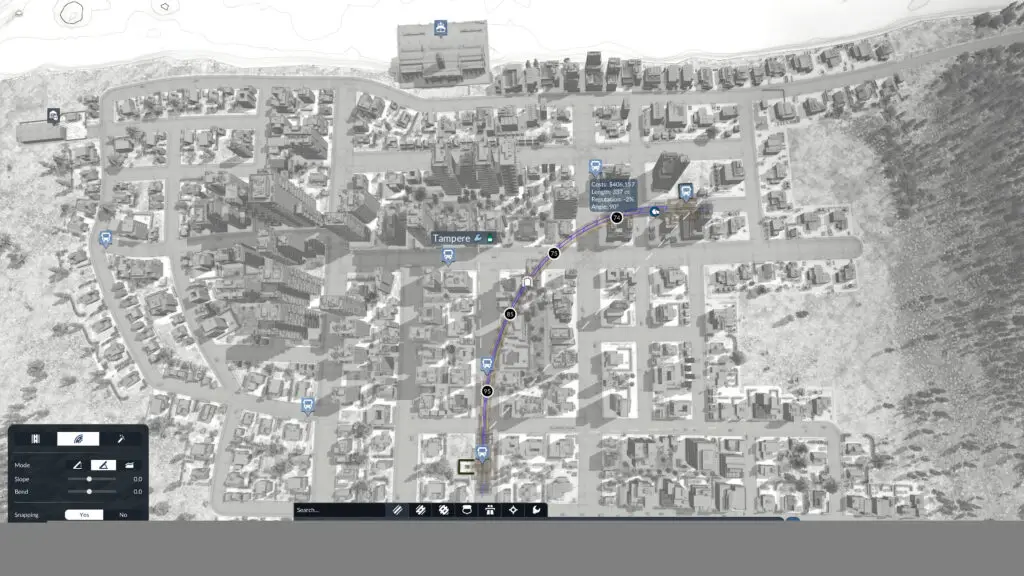
Smaller details add to the charm—from customizing truck paint jobs to “hitching a ride” in a vehicle to view your world. One caveat for players is the game’s “top speed” in simulation; during focused campaign missions, there can be considerable waiting periods. However, for those of us who enjoy the methodical pace of logistics, it’s the perfect time to grab a coffee and plan the next expansion. Look for Transport Fever 3 to launch later this year.
For more insights into digital innovation and gaming trends, follow the latest stories from TechTalesLeo on Digital Tech Explorer.
Disclaimer: All content on Digital Tech Explorer is for informational and entertainment purposes only. We do not provide financial or legal advice. Some of the links on Digital Tech Explorer are affiliate links. This means we may earn a commission if you click through and make a purchase, at no additional cost to you. Our recommendations are based on thorough research and personal experience.