

The Future of AI in Hardware Engineering
This achievement lands in the middle of an intense debate regarding the reliability of LLMs in complex engineering. While some industry leaders, including executives at AMD, have expressed skepticism regarding machine learning models handling high-level tasks, this BIOS mod suggests otherwise. It proves that when used as a collaborative tool, AI can help enthusiasts bypass manufacturer-imposed limitations.
At Digital Tech Explorer, we see this as a glimpse into a future where software and hardware enthusiasts can use AI to unlock the full potential of their gear. Whether it is for gaming or custom workstation builds, the era of AI-assisted hardware modding is officially here.
Disclaimer: All content on Digital Tech Explorer is for informational and entertainment purposes only. Modifying BIOS files can permanently damage your hardware. We do not provide financial or legal advice. Some links on this site may be affiliate links, where we earn a commission at no additional cost to you.
Experimental Risks and Technical Hurdles
As TechTalesLeo often highlights in our storytelling, every great tech experiment comes with a “but.” In this case, the implementation is far from perfect. The modded BIOS currently prevents the system from booting directly into the BIOS interface; to change settings, the user must physically swap to a standard desktop CPU, make the adjustments, and then reinstall the Bartlett Lake chip.
Furthermore, the custom code that enables Bartlett Lake functionality appears to break compatibility with some of the original desktop CPUs the Z790 board was built for. This creates a specialized, one-way setup that is impressive for proof-of-concept but risky for daily drivers.
The Future of AI in Hardware Engineering
This achievement lands in the middle of an intense debate regarding the reliability of LLMs in complex engineering. While some industry leaders, including executives at AMD, have expressed skepticism regarding machine learning models handling high-level tasks, this BIOS mod suggests otherwise. It proves that when used as a collaborative tool, AI can help enthusiasts bypass manufacturer-imposed limitations.
At Digital Tech Explorer, we see this as a glimpse into a future where software and hardware enthusiasts can use AI to unlock the full potential of their gear. Whether it is for gaming or custom workstation builds, the era of AI-assisted hardware modding is officially here.
Disclaimer: All content on Digital Tech Explorer is for informational and entertainment purposes only. Modifying BIOS files can permanently damage your hardware. We do not provide financial or legal advice. Some links on this site may be affiliate links, where we earn a commission at no additional cost to you.
Experimental Risks and Technical Hurdles
As TechTalesLeo often highlights in our storytelling, every great tech experiment comes with a “but.” In this case, the implementation is far from perfect. The modded BIOS currently prevents the system from booting directly into the BIOS interface; to change settings, the user must physically swap to a standard desktop CPU, make the adjustments, and then reinstall the Bartlett Lake chip.
Furthermore, the custom code that enables Bartlett Lake functionality appears to break compatibility with some of the original desktop CPUs the Z790 board was built for. This creates a specialized, one-way setup that is impressive for proof-of-concept but risky for daily drivers.
The Future of AI in Hardware Engineering
This achievement lands in the middle of an intense debate regarding the reliability of LLMs in complex engineering. While some industry leaders, including executives at AMD, have expressed skepticism regarding machine learning models handling high-level tasks, this BIOS mod suggests otherwise. It proves that when used as a collaborative tool, AI can help enthusiasts bypass manufacturer-imposed limitations.
At Digital Tech Explorer, we see this as a glimpse into a future where software and hardware enthusiasts can use AI to unlock the full potential of their gear. Whether it is for gaming or custom workstation builds, the era of AI-assisted hardware modding is officially here.
Disclaimer: All content on Digital Tech Explorer is for informational and entertainment purposes only. Modifying BIOS files can permanently damage your hardware. We do not provide financial or legal advice. Some links on this site may be affiliate links, where we earn a commission at no additional cost to you.
What Makes Bartlett Lake Different?
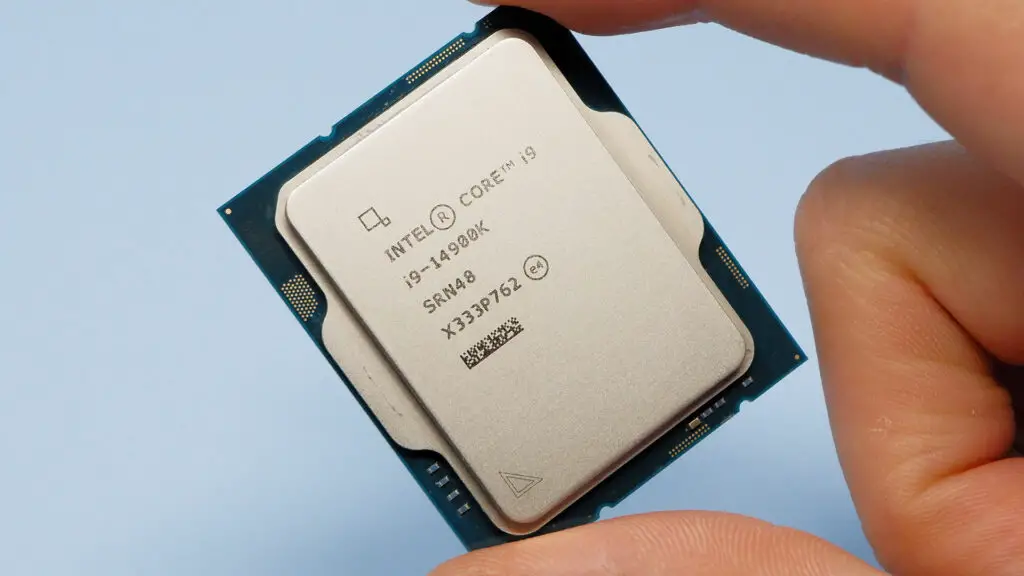
The Intel Core 9 273PQE is a rare beast in the modern CPU landscape. While most 14th Gen chips utilize a “big.LITTLE” architecture combining Performance (P) and Efficient (E) cores, the Bartlett Lake variant features 12 Raptor Cove P-cores and zero E-cores. This is four more P-cores than the flagship Intel Core i9-14900K.
| Feature | Intel Core 9 273PQE (Bartlett Lake) | Intel Core i9-14900K (Raptor Lake-R) |
|---|---|---|
| P-Cores | 12 | 8 |
| E-Cores | 0 | 16 |
| Socket | LGA 1700 | LGA 1700 |
| Target Market | Embedded / Edge | Consumer / Gaming |
Experimental Risks and Technical Hurdles
As TechTalesLeo often highlights in our storytelling, every great tech experiment comes with a “but.” In this case, the implementation is far from perfect. The modded BIOS currently prevents the system from booting directly into the BIOS interface; to change settings, the user must physically swap to a standard desktop CPU, make the adjustments, and then reinstall the Bartlett Lake chip.
Furthermore, the custom code that enables Bartlett Lake functionality appears to break compatibility with some of the original desktop CPUs the Z790 board was built for. This creates a specialized, one-way setup that is impressive for proof-of-concept but risky for daily drivers.
The Future of AI in Hardware Engineering
This achievement lands in the middle of an intense debate regarding the reliability of LLMs in complex engineering. While some industry leaders, including executives at AMD, have expressed skepticism regarding machine learning models handling high-level tasks, this BIOS mod suggests otherwise. It proves that when used as a collaborative tool, AI can help enthusiasts bypass manufacturer-imposed limitations.
At Digital Tech Explorer, we see this as a glimpse into a future where software and hardware enthusiasts can use AI to unlock the full potential of their gear. Whether it is for gaming or custom workstation builds, the era of AI-assisted hardware modding is officially here.
Disclaimer: All content on Digital Tech Explorer is for informational and entertainment purposes only. Modifying BIOS files can permanently damage your hardware. We do not provide financial or legal advice. Some links on this site may be affiliate links, where we earn a commission at no additional cost to you.
What Makes Bartlett Lake Different?
The Intel Core 9 273PQE is a rare beast in the modern CPU landscape. While most 14th Gen chips utilize a “big.LITTLE” architecture combining Performance (P) and Efficient (E) cores, the Bartlett Lake variant features 12 Raptor Cove P-cores and zero E-cores. This is four more P-cores than the flagship Intel Core i9-14900K.
| Feature | Intel Core 9 273PQE (Bartlett Lake) | Intel Core i9-14900K (Raptor Lake-R) |
|---|---|---|
| P-Cores | 12 | 8 |
| E-Cores | 0 | 16 |
| Socket | LGA 1700 | LGA 1700 |
| Target Market | Embedded / Edge | Consumer / Gaming |
Experimental Risks and Technical Hurdles
As TechTalesLeo often highlights in our storytelling, every great tech experiment comes with a “but.” In this case, the implementation is far from perfect. The modded BIOS currently prevents the system from booting directly into the BIOS interface; to change settings, the user must physically swap to a standard desktop CPU, make the adjustments, and then reinstall the Bartlett Lake chip.
Furthermore, the custom code that enables Bartlett Lake functionality appears to break compatibility with some of the original desktop CPUs the Z790 board was built for. This creates a specialized, one-way setup that is impressive for proof-of-concept but risky for daily drivers.
The Future of AI in Hardware Engineering
This achievement lands in the middle of an intense debate regarding the reliability of LLMs in complex engineering. While some industry leaders, including executives at AMD, have expressed skepticism regarding machine learning models handling high-level tasks, this BIOS mod suggests otherwise. It proves that when used as a collaborative tool, AI can help enthusiasts bypass manufacturer-imposed limitations.
At Digital Tech Explorer, we see this as a glimpse into a future where software and hardware enthusiasts can use AI to unlock the full potential of their gear. Whether it is for gaming or custom workstation builds, the era of AI-assisted hardware modding is officially here.
Disclaimer: All content on Digital Tech Explorer is for informational and entertainment purposes only. Modifying BIOS files can permanently damage your hardware. We do not provide financial or legal advice. Some links on this site may be affiliate links, where we earn a commission at no additional cost to you.
The AI Architect: Modding with Claude
The technical hurdles of BIOS modification usually require deep specialized knowledge and manual hex editing. However, Kryptonfly reported on the Overclock.net forums that an Intel Core 9 273PQE chip was successfully recognized by the Z790 motherboard thanks to AI-driven code generation. Remarkably, Claude AI was credited with editing 100% of the BIOS without the need for module replacement.
Because the Asus Z790-AYW OC BIOS file is a relatively lean 16 MB, it fit within the processing constraints of the free version of Claude. This highlights a shift in how we approach AI acceleration in the hobbyist space, turning complex engineering tasks into conversational problem-solving sessions.
What Makes Bartlett Lake Different?
The Intel Core 9 273PQE is a rare beast in the modern CPU landscape. While most 14th Gen chips utilize a “big.LITTLE” architecture combining Performance (P) and Efficient (E) cores, the Bartlett Lake variant features 12 Raptor Cove P-cores and zero E-cores. This is four more P-cores than the flagship Intel Core i9-14900K.
| Feature | Intel Core 9 273PQE (Bartlett Lake) | Intel Core i9-14900K (Raptor Lake-R) |
|---|---|---|
| P-Cores | 12 | 8 |
| E-Cores | 0 | 16 |
| Socket | LGA 1700 | LGA 1700 |
| Target Market | Embedded / Edge | Consumer / Gaming |
Experimental Risks and Technical Hurdles
As TechTalesLeo often highlights in our storytelling, every great tech experiment comes with a “but.” In this case, the implementation is far from perfect. The modded BIOS currently prevents the system from booting directly into the BIOS interface; to change settings, the user must physically swap to a standard desktop CPU, make the adjustments, and then reinstall the Bartlett Lake chip.
Furthermore, the custom code that enables Bartlett Lake functionality appears to break compatibility with some of the original desktop CPUs the Z790 board was built for. This creates a specialized, one-way setup that is impressive for proof-of-concept but risky for daily drivers.
The Future of AI in Hardware Engineering
This achievement lands in the middle of an intense debate regarding the reliability of LLMs in complex engineering. While some industry leaders, including executives at AMD, have expressed skepticism regarding machine learning models handling high-level tasks, this BIOS mod suggests otherwise. It proves that when used as a collaborative tool, AI can help enthusiasts bypass manufacturer-imposed limitations.
At Digital Tech Explorer, we see this as a glimpse into a future where software and hardware enthusiasts can use AI to unlock the full potential of their gear. Whether it is for gaming or custom workstation builds, the era of AI-assisted hardware modding is officially here.
Disclaimer: All content on Digital Tech Explorer is for informational and entertainment purposes only. Modifying BIOS files can permanently damage your hardware. We do not provide financial or legal advice. Some links on this site may be affiliate links, where we earn a commission at no additional cost to you.
The AI Architect: Modding with Claude
The technical hurdles of BIOS modification usually require deep specialized knowledge and manual hex editing. However, Kryptonfly reported on the Overclock.net forums that an Intel Core 9 273PQE chip was successfully recognized by the Z790 motherboard thanks to AI-driven code generation. Remarkably, Claude AI was credited with editing 100% of the BIOS without the need for module replacement.
Because the Asus Z790-AYW OC BIOS file is a relatively lean 16 MB, it fit within the processing constraints of the free version of Claude. This highlights a shift in how we approach AI acceleration in the hobbyist space, turning complex engineering tasks into conversational problem-solving sessions.
What Makes Bartlett Lake Different?
The Intel Core 9 273PQE is a rare beast in the modern CPU landscape. While most 14th Gen chips utilize a “big.LITTLE” architecture combining Performance (P) and Efficient (E) cores, the Bartlett Lake variant features 12 Raptor Cove P-cores and zero E-cores. This is four more P-cores than the flagship Intel Core i9-14900K.
| Feature | Intel Core 9 273PQE (Bartlett Lake) | Intel Core i9-14900K (Raptor Lake-R) |
|---|---|---|
| P-Cores | 12 | 8 |
| E-Cores | 0 | 16 |
| Socket | LGA 1700 | LGA 1700 |
| Target Market | Embedded / Edge | Consumer / Gaming |
Experimental Risks and Technical Hurdles
As TechTalesLeo often highlights in our storytelling, every great tech experiment comes with a “but.” In this case, the implementation is far from perfect. The modded BIOS currently prevents the system from booting directly into the BIOS interface; to change settings, the user must physically swap to a standard desktop CPU, make the adjustments, and then reinstall the Bartlett Lake chip.
Furthermore, the custom code that enables Bartlett Lake functionality appears to break compatibility with some of the original desktop CPUs the Z790 board was built for. This creates a specialized, one-way setup that is impressive for proof-of-concept but risky for daily drivers.
The Future of AI in Hardware Engineering
This achievement lands in the middle of an intense debate regarding the reliability of LLMs in complex engineering. While some industry leaders, including executives at AMD, have expressed skepticism regarding machine learning models handling high-level tasks, this BIOS mod suggests otherwise. It proves that when used as a collaborative tool, AI can help enthusiasts bypass manufacturer-imposed limitations.
At Digital Tech Explorer, we see this as a glimpse into a future where software and hardware enthusiasts can use AI to unlock the full potential of their gear. Whether it is for gaming or custom workstation builds, the era of AI-assisted hardware modding is officially here.
Disclaimer: All content on Digital Tech Explorer is for informational and entertainment purposes only. Modifying BIOS files can permanently damage your hardware. We do not provide financial or legal advice. Some links on this site may be affiliate links, where we earn a commission at no additional cost to you.
At Digital Tech Explorer, we are constantly tracking how the boundaries of hardware are pushed by the community. Intel’s Bartlett Lake CPU is a prime example of silicon that was never meant for the average desk. Designed primarily for edge computing, networking, and embedded systems, it sits in a niche far removed from mainstream gaming rigs. However, its unique pure P-core architecture has long teased enthusiasts who prefer raw performance over efficiency-core hybrid designs. Until recently, this chip was incompatible with standard consumer motherboards—but a new breakthrough has changed the narrative.
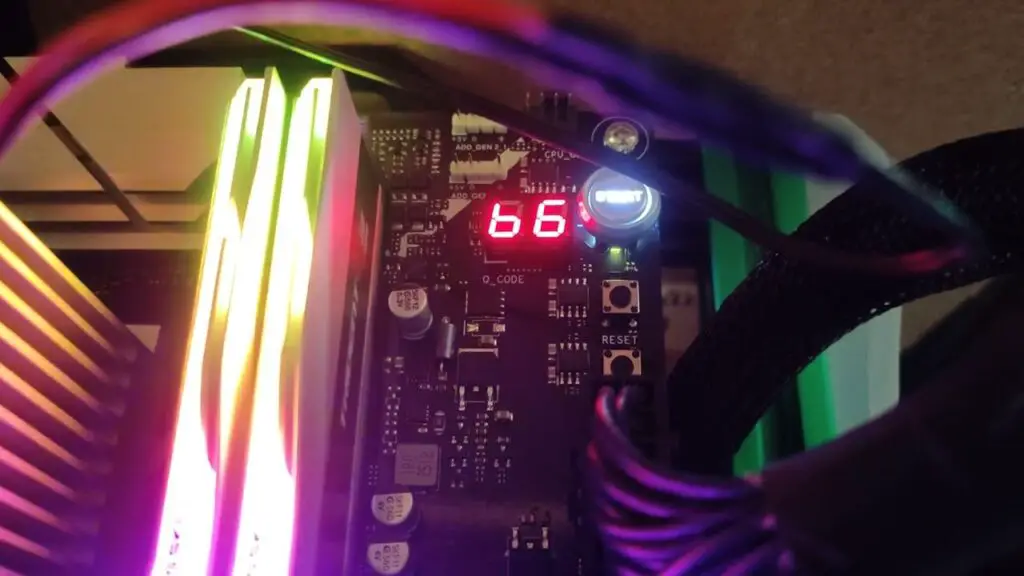
An innovative modder, Kryptonfly, has successfully bridged the gap between industrial silicon and consumer hardware. By bringing a 12-core Bartlett Lake chip to life on an Asus Z790-AYW OC motherboard, this project showcases the future of hardware modification. The most intriguing part of this story? The heavy lifting was done by Claude AI, which was utilized to craft a custom BIOS from scratch.
The AI Architect: Modding with Claude
The technical hurdles of BIOS modification usually require deep specialized knowledge and manual hex editing. However, Kryptonfly reported on the Overclock.net forums that an Intel Core 9 273PQE chip was successfully recognized by the Z790 motherboard thanks to AI-driven code generation. Remarkably, Claude AI was credited with editing 100% of the BIOS without the need for module replacement.
Because the Asus Z790-AYW OC BIOS file is a relatively lean 16 MB, it fit within the processing constraints of the free version of Claude. This highlights a shift in how we approach AI acceleration in the hobbyist space, turning complex engineering tasks into conversational problem-solving sessions.
What Makes Bartlett Lake Different?
The Intel Core 9 273PQE is a rare beast in the modern CPU landscape. While most 14th Gen chips utilize a “big.LITTLE” architecture combining Performance (P) and Efficient (E) cores, the Bartlett Lake variant features 12 Raptor Cove P-cores and zero E-cores. This is four more P-cores than the flagship Intel Core i9-14900K.
| Feature | Intel Core 9 273PQE (Bartlett Lake) | Intel Core i9-14900K (Raptor Lake-R) |
|---|---|---|
| P-Cores | 12 | 8 |
| E-Cores | 0 | 16 |
| Socket | LGA 1700 | LGA 1700 |
| Target Market | Embedded / Edge | Consumer / Gaming |
Experimental Risks and Technical Hurdles
As TechTalesLeo often highlights in our storytelling, every great tech experiment comes with a “but.” In this case, the implementation is far from perfect. The modded BIOS currently prevents the system from booting directly into the BIOS interface; to change settings, the user must physically swap to a standard desktop CPU, make the adjustments, and then reinstall the Bartlett Lake chip.
Furthermore, the custom code that enables Bartlett Lake functionality appears to break compatibility with some of the original desktop CPUs the Z790 board was built for. This creates a specialized, one-way setup that is impressive for proof-of-concept but risky for daily drivers.
The Future of AI in Hardware Engineering
This achievement lands in the middle of an intense debate regarding the reliability of LLMs in complex engineering. While some industry leaders, including executives at AMD, have expressed skepticism regarding machine learning models handling high-level tasks, this BIOS mod suggests otherwise. It proves that when used as a collaborative tool, AI can help enthusiasts bypass manufacturer-imposed limitations.
At Digital Tech Explorer, we see this as a glimpse into a future where software and hardware enthusiasts can use AI to unlock the full potential of their gear. Whether it is for gaming or custom workstation builds, the era of AI-assisted hardware modding is officially here.
Disclaimer: All content on Digital Tech Explorer is for informational and entertainment purposes only. Modifying BIOS files can permanently damage your hardware. We do not provide financial or legal advice. Some links on this site may be affiliate links, where we earn a commission at no additional cost to you.