
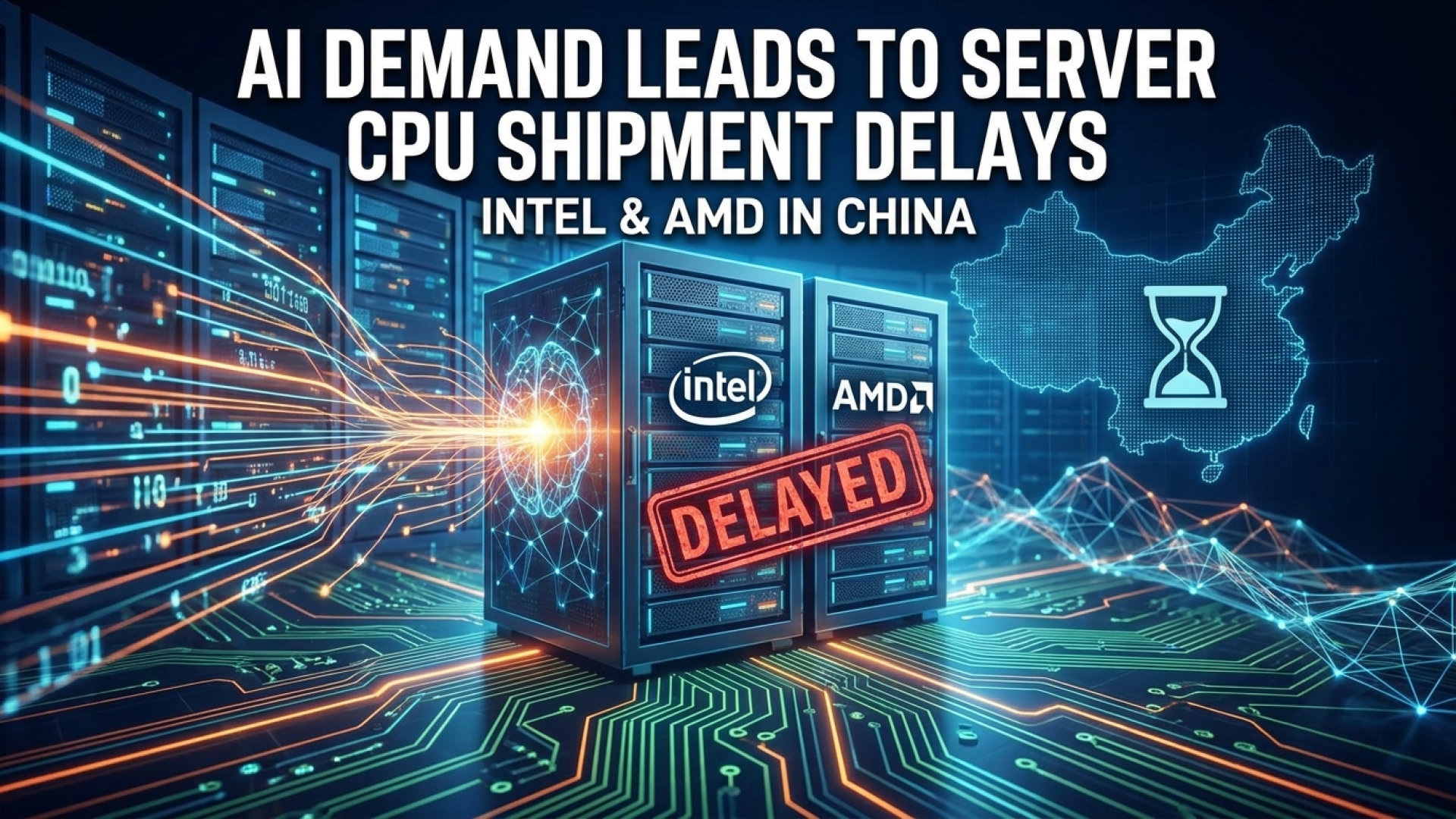
The global semiconductor landscape is witnessing a dramatic shift as both Intel and AMD notify their Chinese enterprise clients of significant delays in server CPU shipments. Here at Digital Tech Explorer, we’ve been tracking these supply chain tremors, which now suggest that Intel chips could face lead times extending up to six months. This bottleneck isn’t just a logistical hiccup; it’s a narrative of how the explosive growth of artificial intelligence is reshaping the foundational hardware of our digital world.
The Ripple Effect of AI Acceleration
The insatiable demand for AI acceleration is no longer confined to the high-stakes world of memory and specialized AI GPUs. As TechTalesLeo, I’ve seen many industry shifts, but the current pressure on traditional compute components is unprecedented. The rapid integration of Large Language Models (LLMs) into every facet of business has forced a massive scale-up of server infrastructure, pushing AMD and Intel to their manufacturing limits.
Intel’s Xeon Backlog: A Six-Month Wait
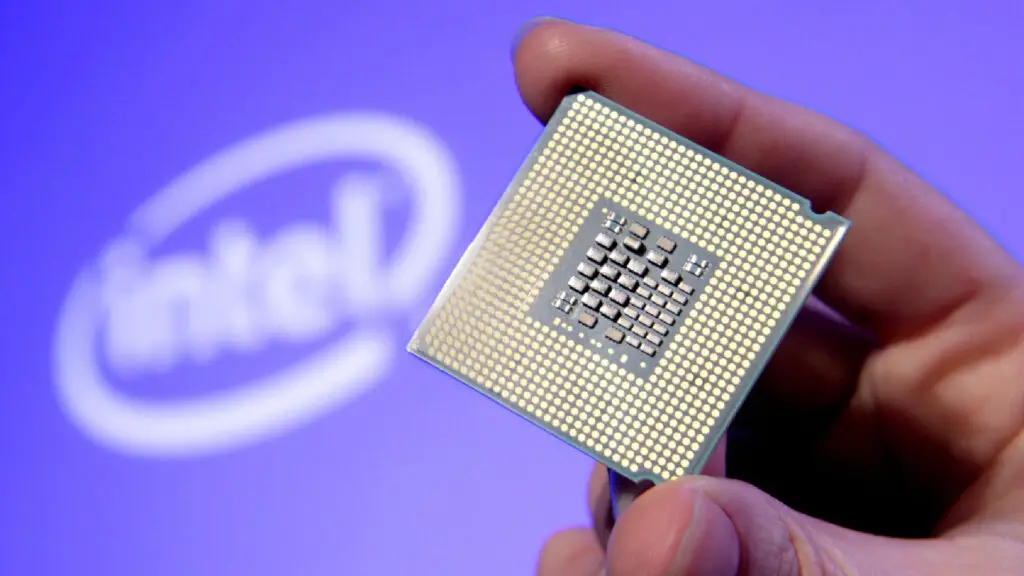
Intel, the long-standing titan of the data center, is currently navigating a heavy backlog. The primary victims of this crunch are the fourth and fifth-generation Xeon server chips. With the Chinese market contributing nearly 20% of Intel’s total revenue, these delays carry significant weight for the global economy. While Intel anticipates that inventory levels will begin to stabilize moving into 2026, the current strategy involves strict rationing of deliveries to manage the existing shortage.
AMD and the TSMC Manufacturing Bottleneck
The story for AMD is slightly different but leads to the same conclusion: delays. While Intel utilizes its own “Intel 7” process node, AMD relies on TSMC for its Epyc server processors. This highlights a critical industry bottleneck. TSMC’s production lines are currently being monopolized by high-margin AI hardware. When industry leaders like Nvidia’s Jensen Huang urge foundries to expand, the message is clear: the queue for silicon is getting longer, and server CPUs are being pushed further back.
| Manufacturer | Affected Product Line | Reported Lead Times | Foundry Source |
|---|---|---|---|
| Intel | 4th & 5th Gen Xeon | Up to 6 Months | Internal (Intel 7) |
| AMD | Epyc Server Series | Significant Delays | TSMC |
| Nvidia | AI Training GPUs | High Demand/Priority | TSMC |
Will Gaming CPUs Be Next?
For our community of enthusiasts and developers at Digital Tech Explorer, the looming question is how this affects the consumer market. While server and consumer chips occupy different tiers, they often compete for the same raw materials and testing facilities. If the server crunch intensifies, we could see a knock-on effect on gaming CPUs and high-end desktop processors.
As TechTalesLeo, I recommend that those planning high-end builds or infrastructure upgrades in 2024 keep a close eye on pricing trends. We are entering a period where silicon is the new gold, and the AI gold rush shows no signs of slowing down. Stay tuned to Digital Tech Explorer as we continue to monitor these developments and provide you with the insights needed to navigate the evolving tech landscape.