
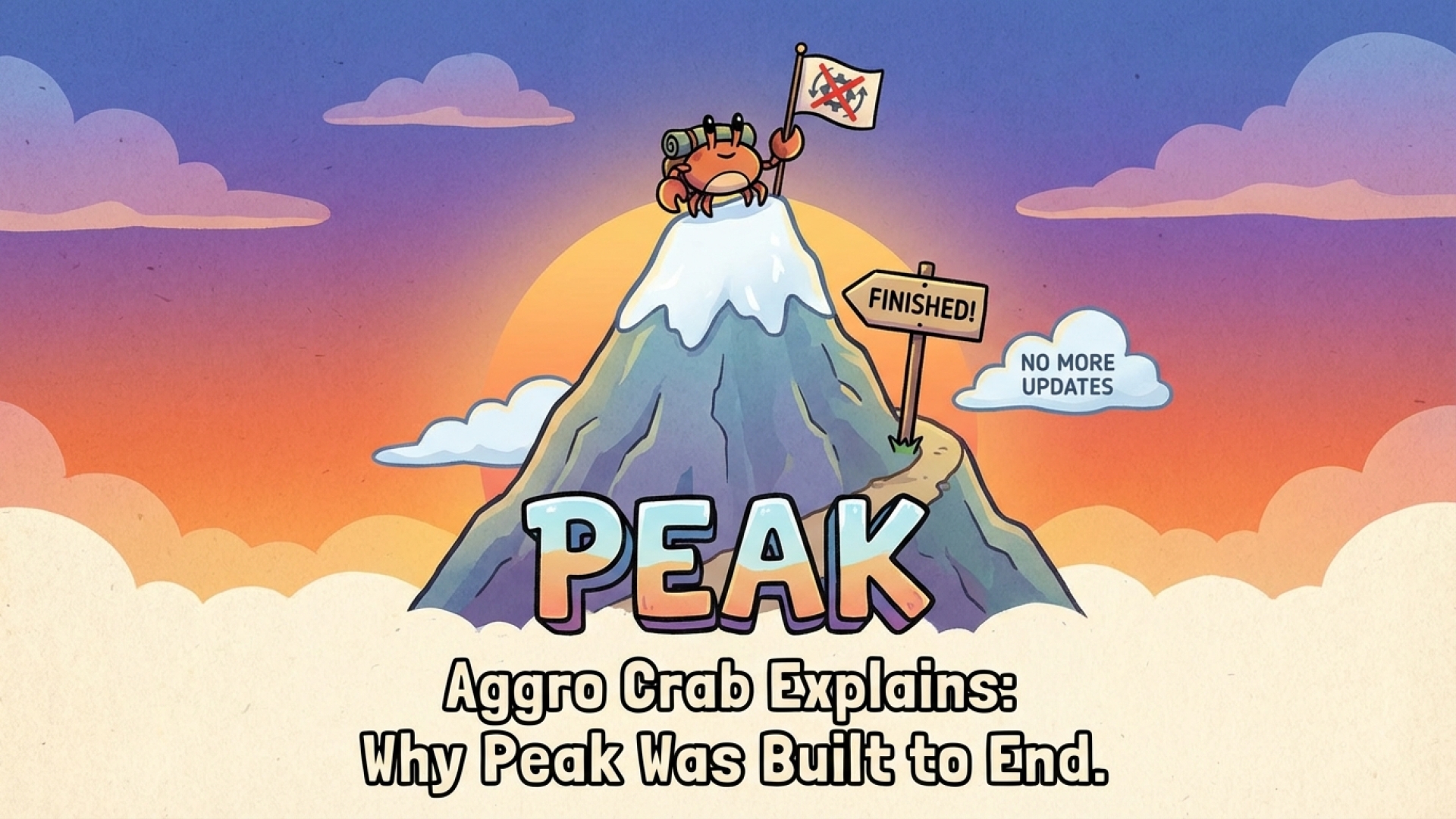
At Digital Tech Explorer, we often dive deep into the code and mechanics of the latest software, but occasionally, a story emerges from the development trenches that shifts our perspective on the industry itself. Such is the case with Aggro Crab, the studio that defied the “Live Service” trend with their hit title, Peak. For a studio founded on the principles of creative agility, their journey from a planned “one-and-done” launch to a sustained success story offers a masterclass in modern game development philosophy.
Aggro Crab’s Stance: Creativity Over Stagnation
Aggro Crab has recently shared a refreshing insight into their internal roadmap. Contrary to the industry standard of roadmapping years of post-launch DLC before a game even hits shelves, the developers initially had no intention of providing extensive updates for Peak. As TechTalesLeo often observes in the digital landscape, the pressure to maintain a single “forever game” can often stifle the very innovation that made a studio successful in the first place.
This approach highlights a studio focused on creative diversity. Rather than becoming a “one-game studio,” Aggro Crab prioritizes the ability to pivot to new concepts, ensuring their engineering team stays sharp and their narratives stay fresh.
The Pivot: When Unexpected Success Alters the Code
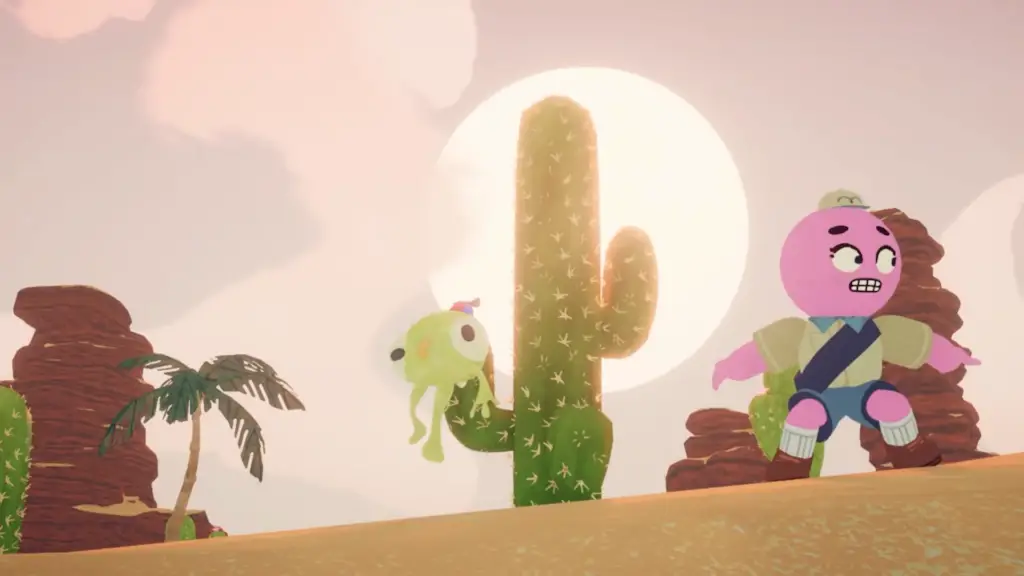
The initial plan for Peak was simple: launch and head into a well-deserved vacation. However, the PC gaming community had other ideas. The explosive reception and significant sales provided a sudden influx of resources, allowing the team to expand the game with new biomes and items that were never in the original scope.
While this success allowed for the celebrated “Mesa Update,” the studio’s core philosophy remains unchanged. They view game development as an evolving journey rather than a destination. By avoiding the trap of indefinite support for a single project, Aggro Crab mitigates developer burnout—a critical issue in today’s high-pressure tech environments.
Looking Ahead: Crashout Crew and New Innovations
True to their commitment to new ventures, the studio is already pivoting focus toward their next co-op project, Crashout Crew. If Peak was about atmosphere and exploration, Crashout Crew is about pure, unadulterated chaos. The game introduces frantic mechanics involving forklifts, unpredictable meteor strikes, and—strangely enough—swarms of bees.
Below is a snapshot of how their development focus is shifting between these two distinct eras of the studio:
| Feature | Peak (Current) | Crashout Crew (Upcoming) |
|---|---|---|
| Primary Genre | Atmospheric Co-op Adventure | Chaotic Physics-Based Action |
| Key Mechanics | Exploration & Item Management | Forklifting & Environmental Hazards |
| Development State | Legacy Support / Mature | Active Development / Steam Next Fest Featured |
| Core Aesthetic | Serene yet Challenging | High-Energy “All-Out Feast” |
Why the “Multi-Project” Approach Wins
From a software engineering perspective, the decision to move onto new IP like Crashout Crew prevents technical debt and creative stagnation. For the community at Digital Tech Explorer, this means a more diverse ecosystem of gaming experiences. Aggro Crab is setting a precedent: it is okay for a project to have a beginning, a middle, and an end. This “boutique” style of development ensures that when a new title is released, it carries the full creative weight of the team rather than being a skeleton-crew update to a five-year-old engine.
Conclusion
Aggro Crab’s trajectory reminds us that in the world of technology and digital innovation, knowing when to start the next chapter is just as important as the launch of the first. While the success of Peak will be remembered as a landmark for the studio, the frantic energy of Crashout Crew represents the future of their creative freedom. As we continue to track emerging trends in 2024 releases and beyond, Aggro Crab remains a developer to watch for those who value originality over the status quo.
Disclaimer: All content on Digital Tech Explorer is for informational and entertainment purposes only. We do not provide financial or legal advice.
Affiliate Disclaimer: Some of the links on Digital Tech Explorer are affiliate links. This means we may earn a commission if you click through and make a purchase, at no additional cost to you. Our recommendations are based on thorough research and personal experience.