
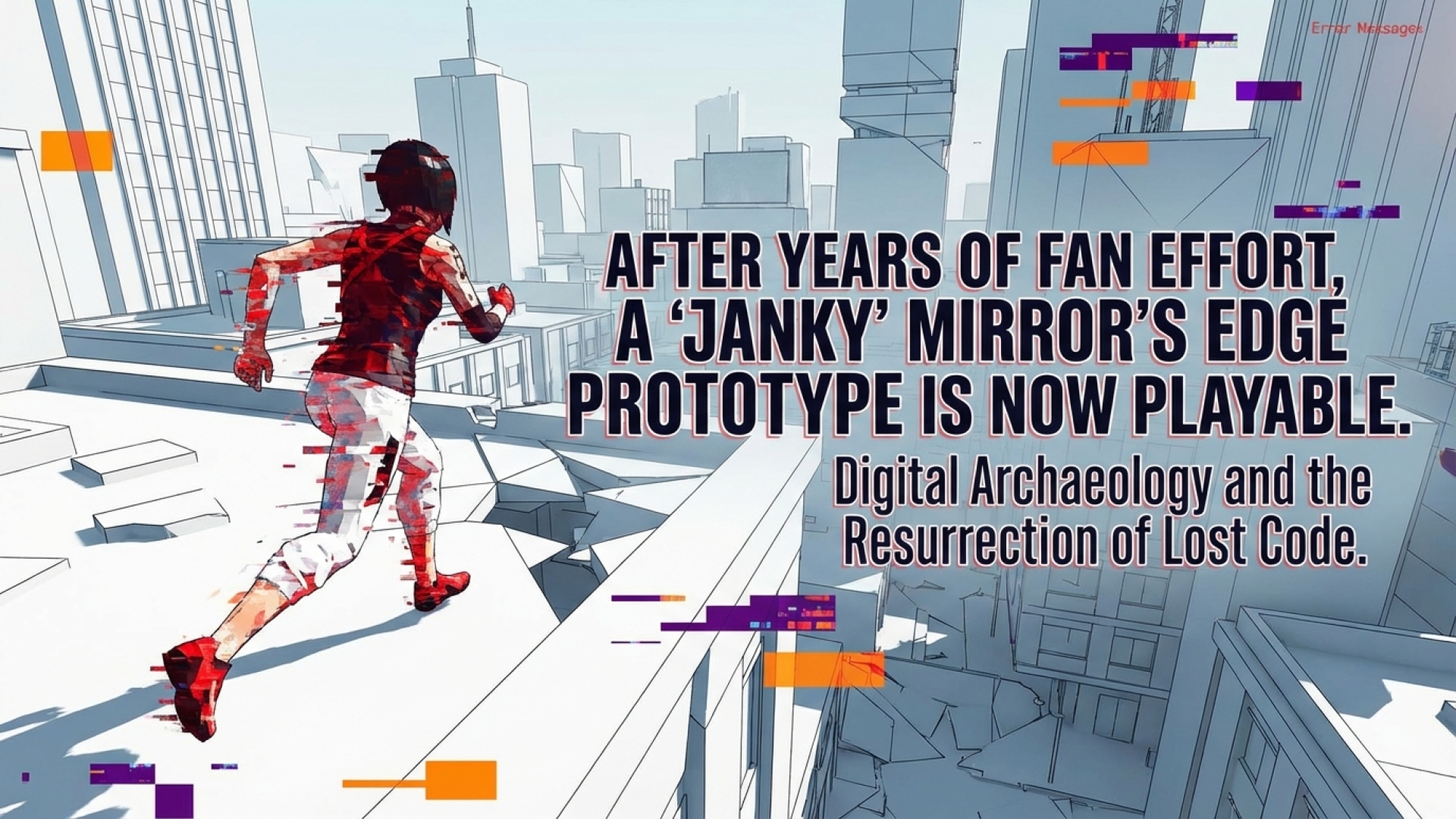
There is nothing quite like the original Mirror’s Edge. Even its successor, Mirror’s Edge Catalyst, failed to fully capture the lightning-in-a-bottle aesthetic of the 2008 debut. Defined by its stark primary colors, fluid parkour, and a narrative that pushed for a “high-concept” feel, the title has cemented itself as a cult classic within the gaming community, even if EA has largely moved on from the franchise.
For the dedicated runners who still find themselves scaled to the rooftops of the City of Glass, a new piece of history has surfaced. Nearly two decades after the game’s initial launch, community enthusiasts have successfully restored a playable prototype—a build dating back roughly nine months before the retail release.
Engineering a Restoration: The Tech Behind the Prototype
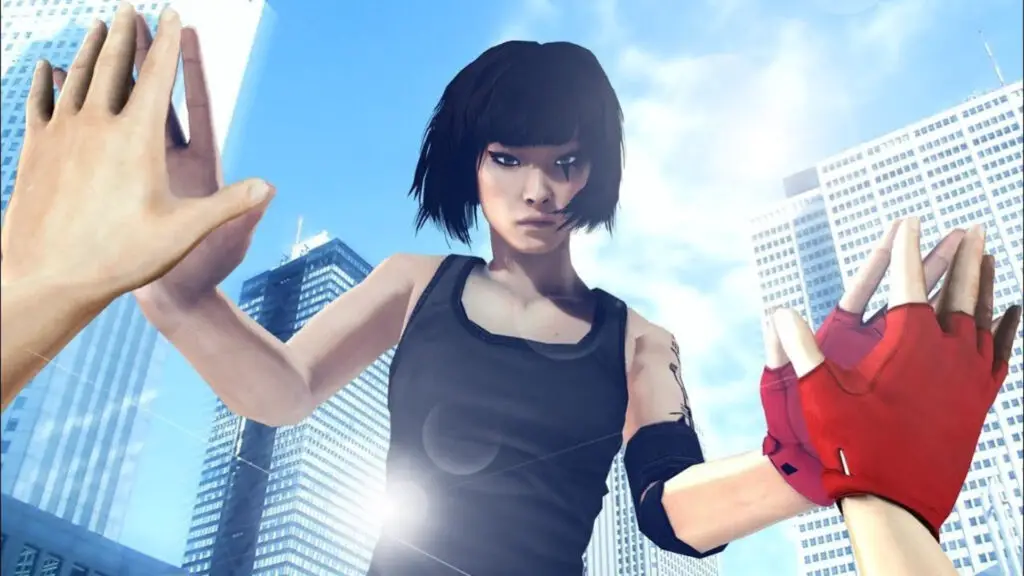
At Digital Tech Explorer, we love a deep dive into the “how” behind digital innovation. This restoration wasn’t a simple file dump. Unveiled in a 30-minute showcase by superfans ‘softsoundd’ and ‘Hekigan,’ this early PS3 build was technically released in 2019 but was largely unplayable due to corruption and hardware incompatibilities.
The restoration required intensive reverse engineering. The team had to fix a broken EBOOT fSELF format, “stub” 306 corrupted functions, and navigate complex Unreal Engine package bugs. To run this piece of history today, users require a specialized version of the RPCS3 emulator featuring custom SPU STOP codes and expanded memory limits—proving that preserving PC games and console history is often a feat of high-level software engineering.
Uncovering the Differences: Prototype vs. Retail
Diving into this build reveals how much a game can change in its final months of development. From movement physics to the “vibes” of the world, the prototype feels like a parallel dimension version of Faith’s journey.
Visuals and Lighting
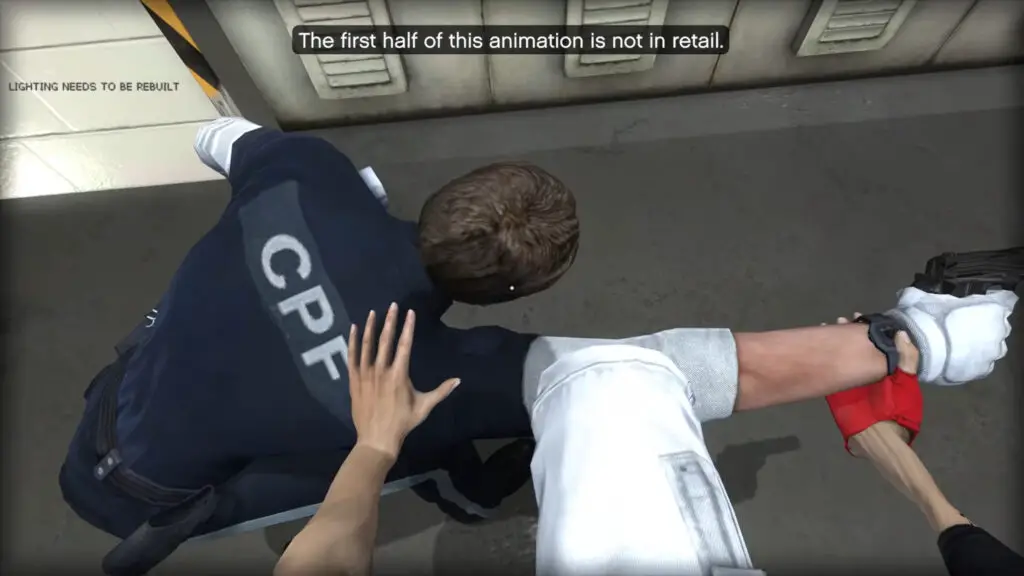
The most immediate difference is the lighting. While the final game is famous for its blindingly bright whites and saturated reds, the prototype features a more muted, unfinished palette. Constant in-game alerts for “rebuilding lighting” remind the player that the signature look was still being refined.
Physics and Movement Mechanics
For 3D gaming enthusiasts, the movement changes are particularly interesting. The prototype’s “dodge jump” provides Faith with significantly more height than the final version. However, bunnyhopping—a staple for modern speedrunners—doesn’t maintain momentum here. The build also features a peculiar camera tilt bug when turning right while crouching, a “jank” factor that was thankfully polished before launch.
A More Brutal Combat System
Interestingly, the combat in this early version was far more visceral. Faith was originally able to counter armed guards by using her legs to break their arms—a mechanic that was likely deemed too gruesome for the final “cleaner” aesthetic. The prototype also contains several pieces of cut content, including weapons like a scoped revolver and a Mini Uzi that never made it to the final arsenal.
| Feature | Prototype Version (Feb 2008) | Retail Version (Nov 2008) |
|---|---|---|
| Lighting | Muted, darker, and unfinished. | High-contrast, bright, and stylized. |
| Combat | Includes limb-breaking counters. | Simplified, non-lethal focus. |
| Weapons | Includes Scoped Revolver and Mini Uzi. | Standard pistols, rifles, and SMGs. |
| Movement | Floatier dodge jumps; no bunnyhop speed. | Tight, polished, and speedrunner-friendly. |
The Scrapped “Noir” Intro
Narrative storytelling is a core focus for us here at Digital Tech Explorer, and the prototype offers a fascinating look at the game’s original tone. Before the developers settled on the subtle, contemplative introduction of the final game, Faith had a significantly more “noir” monologue:
“This is a city of gloss and shimmer. A city of reflections… Now it’s just a pristine, sugar-coated lie. In this city of mirrors, the edge is where you still have a choice. Live or die. Soar or plummet. It’s the only place left where, for an instant, you are truly free.”
The Legacy of the Runner
The restoration of the Mirror’s Edge prototype is more than just a trip down memory lane; it is a testament to the power of community-led digital preservation. While fans continue to hold out hope for a true Mirror’s Edge 2 that captures the spirit of the original, projects like this allow us to better understand the iterative process of hardware and software development.
As we look toward the tech trends of 2024 and beyond, seeing how developers sculpted such a unique experience from these “janky” beginnings is truly inspiring for any tech enthusiast or aspiring developer.
Disclaimer: All content on Digital Tech Explorer is for informational and entertainment purposes only. We do not provide financial or legal advice. Affiliate Disclaimer: Some of the links on Digital Tech Explorer are affiliate links. This means we may earn a commission if you click through and make a purchase, at no additional cost to you. Our recommendations are based on thorough research and personal experience.