It happens multiple times a week in digital enthusiast circles: a newcomer asks for a starting point in a vast genre, and the community responds with a single, definitive title. In fantasy literature, it’s The Hobbit. In the world of gaming, specifically within the “cozy” and life-simulation space, the answer is almost always Stardew Valley.
As we explore the landscape of digital innovation here at Digital Tech Explorer, it’s rare to find a piece of software that maintains such a vice grip on its market share for an entire decade. Yet, as TechTalesLeo, I’ve watched this indie masterpiece evolve from a solo project into a cultural touchstone that defines an entire sub-genre of PC games.
A player celebrates completing the Community Center, a milestone in the Stardew Valley journey.
Stardew Valley’s Enduring Legacy
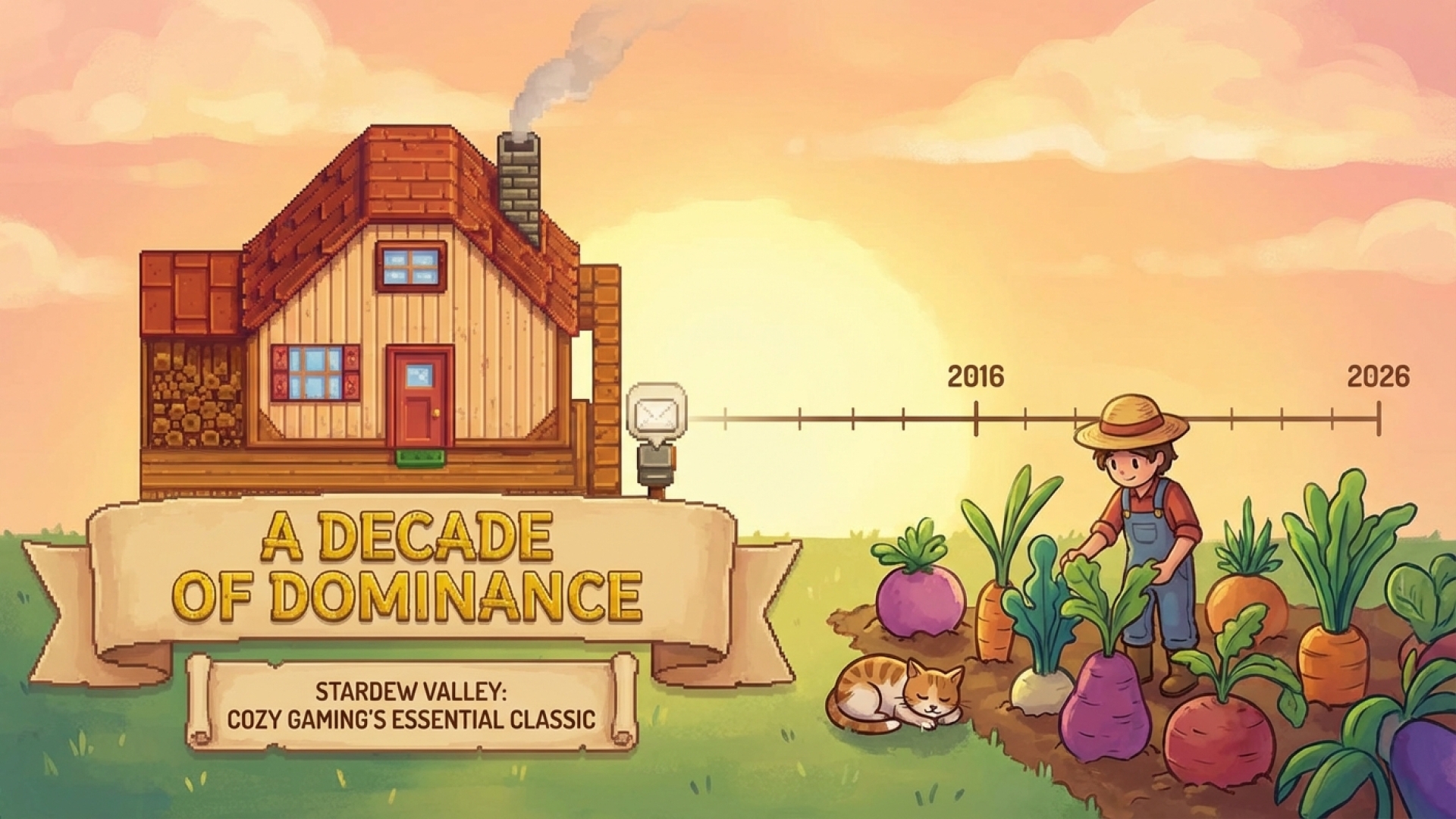
Officially hitting its 10-year milestone, Stardew Valley remains the default entry point for the hobby. Even with its massive success during its 2016 launch, becoming the poster child of the genre it revitalized wasn’t a guarantee. In the tech world, first-movers often get eclipsed by those who iterate faster.
Consider the trajectory of other genres. I remember the rise of H1Z1; it was arguably the first battle royale to popularize the shrinking “death circle” concept. However, it was eventually supplanted by titles like Fortnite and PUBG. In contrast, Stardew Valley hasn’t just survived; it has thrived, even as the market for farm-life simulators has become increasingly crowded.
The Technical Dominance of the Cozy Throne
As the catalog of games like Stardew Valley expanded, many expected a successor to take the crown. Whether it was a high-budget indie or the return of the Story of Seasons (formerly Harvest Moon) franchise to the PC gaming market, the “usurper” never arrived.
Feature
Stardew Valley Impact
Tech Significance
Developer
ConcernedApe (Eric Barone)
Solo-developer success story
Platform Reach
PC, Console, Mobile
Cross-platform optimization
Modding Support
Extensive (SMAPI)
Long-term user engagement through open architecture
Updates
1.6+ (Ongoing)
Model for “Games as a Service” without the microtransactions
Key factors contributing to Stardew Valley’s decade of dominance.
While I’ve discovered several contemporary titles that capture a similar warmth—Roots of Pacha and Fields of Mistria are exceptional—none have managed to overtake the ubiquity of the original. Even as legacy franchises attempt to modernize, they struggle to match the seamless blend of charm and deep mechanics that Eric Barone perfected.
Why the Software Stays Relevant
From a technical and community management perspective, Stardew’s longevity is a masterclass. Much like Minecraft, the prolific modding community has kept the experience fresh long after the base content was exhausted. Furthermore, the commitment to free updates—with the 1.6 and upcoming 1.7 updates—has built a level of brand loyalty rarely seen in modern hardware or software ecosystems.
The intricate layouts possible in Stardew Valley showcase why players spend hundreds of hours in-game.
The Future of Digital Storytelling
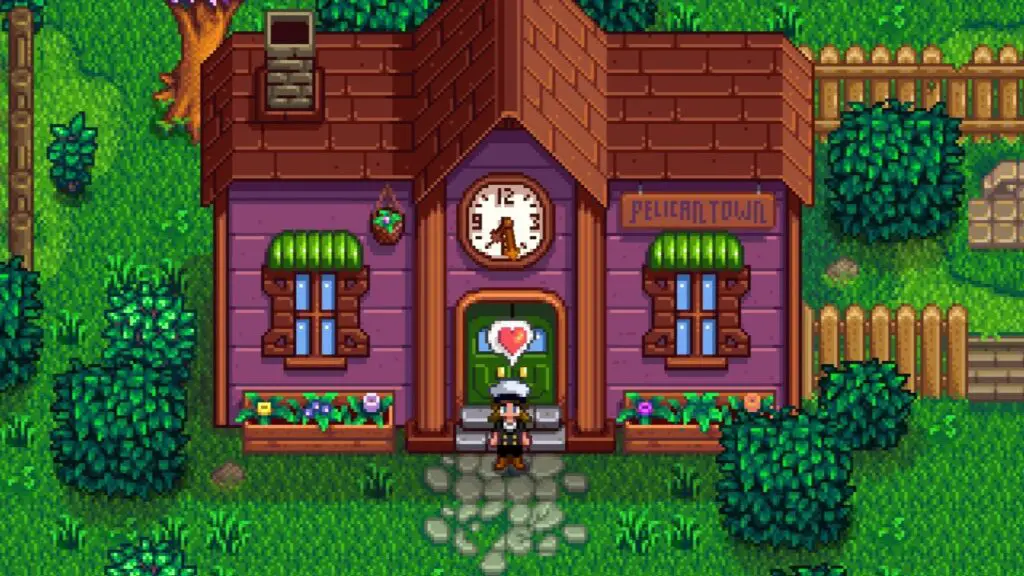
Looking ahead, it seems likely we will still be discussing this game’s influence in 2036. At Digital Tech Explorer, we keep a close eye on upcoming projects like Haunted Chocolatier and rumors regarding a potential Stardew Valley 2. Whether it’s through AI-driven NPC interactions or new 3D rendering, the “original energy” of Pelican Town is a high bar for any developer to clear.
For those looking to dive deeper into the mechanics and news surrounding this indie titan, check out our curated resources below:
Disclaimer: All content on Digital Tech Explorer is for informational and entertainment purposes only. Some of the links above may be affiliate links; we may earn a commission at no additional cost to you as we continue to test and research the best in tech.