
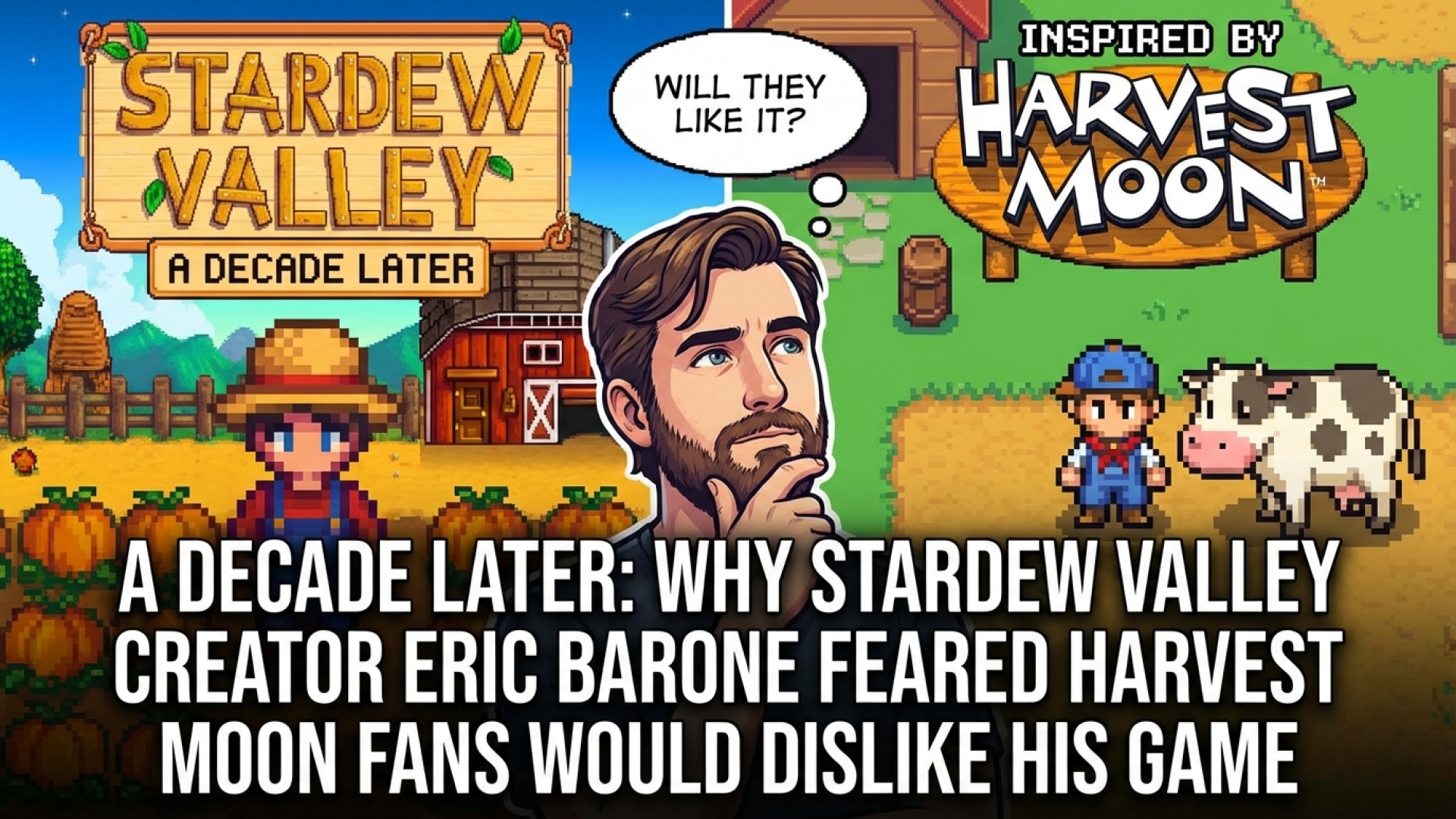
The gaming landscape has been profoundly shaped over the last decade by titles that defy expectations, and few stories are as compelling as that of Stardew Valley. Celebrating its tenth anniversary, this indie farm simulation masterpiece has captivated millions. However, its creator, Eric Barone (known to the community as ConcernedApe), initially harbored significant doubts about its potential reach, fearing the very audience he sought to honor might reject his vision.
A Developer’s Uncertainty: The Early Days of ConcernedApe
In the lead-up to the launch, Barone confessed he “still didn’t think it was going to be super popular.” He envisioned his project as a niche software title, catering specifically to die-hard enthusiasts of the Harvest Moon or Rune Factory series. Barone’s anxiety stemmed from a place of respect; he worried that long-time fans might view his work as a derivative imitation rather than a meaningful evolution of the beloved franchise. As late as March 2016, even as the game began its meteoric rise, Barone remained humble, assuming its appeal would remain confined to a small subset of the PC games community.
The Gap in the Market: Transitioning to PC
Barone’s initial concerns were rooted in the historical context of the farm simulation genre. For years, titles like Harvest Moon were strictly console exclusives. The PC market lacked a modern, high-quality equivalent, with many players relegated to social media-based games like FarmVille. Barone wasn’t just building a game; he was porting an entire genre’s soul to a platform that hadn’t yet proven it wanted it.
| Feature | Classic Farm Sims (Pre-2010) | Stardew Valley (Modern Era) |
|---|---|---|
| Primary Platform | Handheld/Home Consoles | PC, Console, & Mobile |
| Gameplay Focus | Basic Farming & Socializing | Advanced Management, Combat, & Crafting |
| Post-Launch Support | Minimal (Static Releases) | Extensive Updates & 2024 Content Patches |
Upon release, the narrative changed instantly. Players with deep nostalgic ties to Harvest Moon: A Wonderful Life found exactly what they were missing. Stardew Valley resonated because it captured the intricate daily routines and character-driven storytelling that defines the best in gaming, while utilizing the flexibility of the PC platform.
Redefining the Genre Through Sophisticated Design
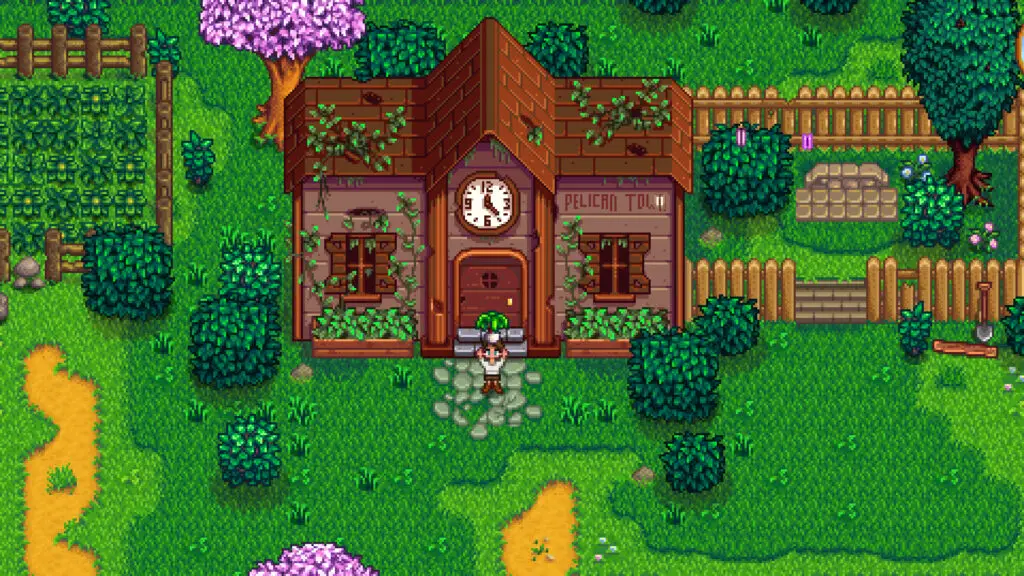
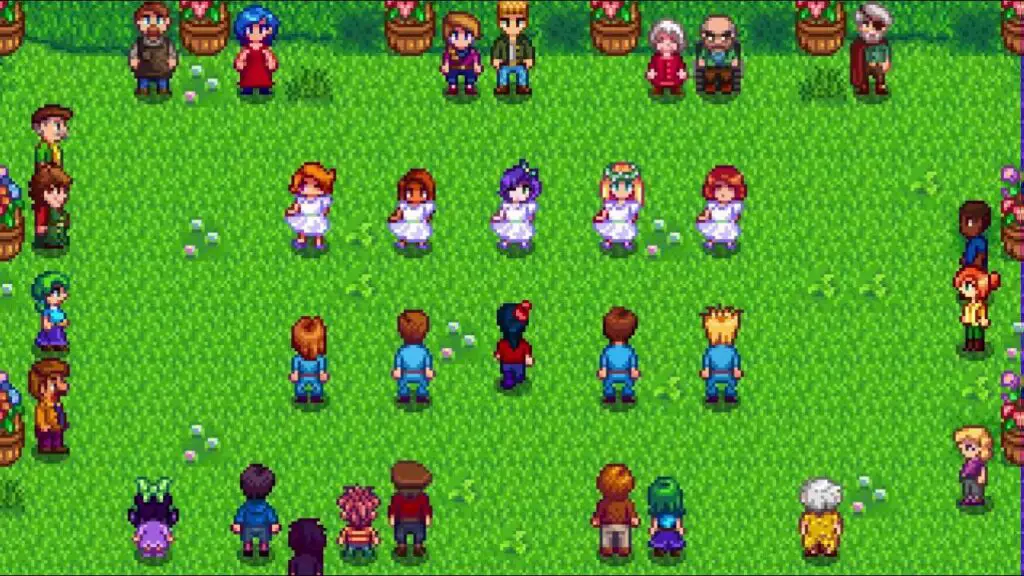
Stardew Valley succeeded because it wasn’t a “half-hearted attempt” to mimic the past. It was a meticulously crafted homage that injected more sophisticated management systems and a broader array of activities into the formula. By balancing gift-giving and NPC schedules with a dynamic profit-focused gameplay loop, Barone created a richer experience than the slower-paced titles of the early 2000s.
The Legacy: A New Era for Indie Developers
The impact of Stardew Valley on the industry is hard to overstate. It has inspired a surge of “cozy games” and proved that solo-developed projects can rival AAA titles in longevity and cultural relevance. This resurgence even prompted the original Story of Seasons developers to prioritize PC releases, acknowledging the massive market Barone helped identify and cultivate.
For Eric Barone, the journey came full circle when he met Harvest Moon creator Yasuhiro Wada. In a moment of pure poetic justice for any tech enthusiast, Barone had his Super Nintendo copy of Harvest Moon signed by Wada—a prized possession that links the foundation of the genre to its modern, digital revolution. Here at Digital Tech Explorer, we continue to track how such software innovations redefine our relationship with technology and entertainment.
Looking for more insights into the tech that powers your favorite experiences? Explore our latest deep dives on TechTalesLeo’s author page for more stories behind the screens.