

The Great OLED Takeover: Why Your Next Monitor Will Likely Be Self-Emissive
Personally, while I’ve yet to encounter significant OLED burn-in on any of my personal panels—from the phone in my pocket to the laptop on my desk—the notion of it being a long-term risk persists in tech circles. However, at Digital Tech Explorer, we believe in following the data, and the data suggests that users are ready to take the leap. The market for OLED PC hardware experienced a dynamic take-off recently, with sales nearly doubling compared to previous cycles.
A recent report from market analyst Trendforce revealed that the OLED PC monitor market surged to 2.735 million units in 2025. This marks an impressive 92% year-over-year increase, signaling a massive shift in how enthusiasts view high-end displays.
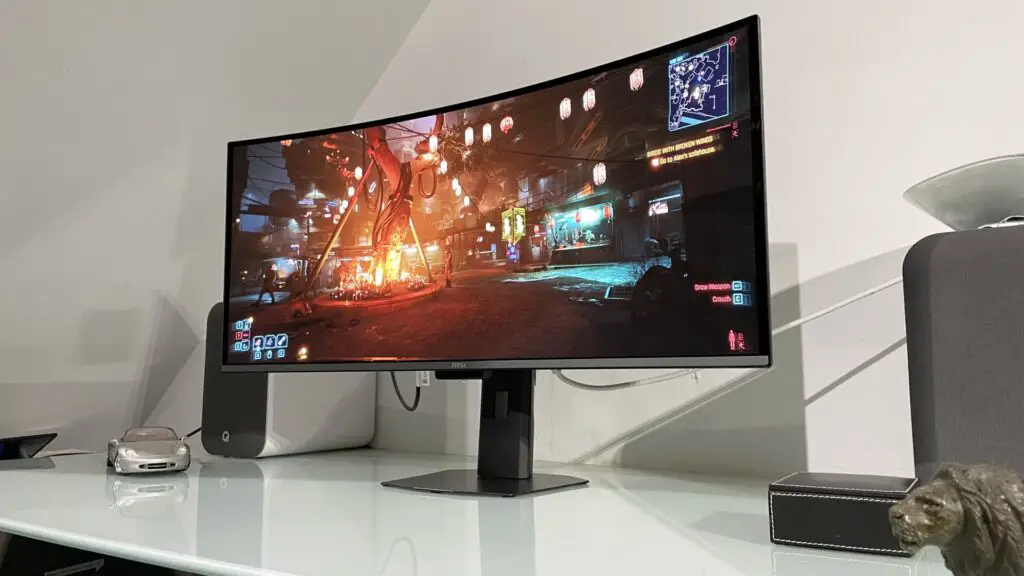
Comparison with the Global PC Market
To put the 2.735 million unit figure into a broader context, we have to look at the global landscape. Annual overall PC sales typically hover between 250 to 300 million units. However, desktop PCs—which require the standalone monitors we love to test here at Digital Tech Explorer—usually account for only 20% to 25% of this volume, or roughly 50 million units annually.
While not every desktop sale includes a new display, this comparison illustrates that while the gaming monitor segment is experiencing explosive growth, it still holds a minority share compared to the overall LCD-dominated market. But as any software engineer will tell you, the early adopters always lead the way for the mainstream.
Price Dynamics and Popular Models
The growth in this sector is especially notable given the enduring price disparity between traditional LCD technology and premium OLEDs. For perspective, budget-friendly 1440p LCD panels can be found for under $130, while high-resolution 4K LCDs are often attainable for less than $250.
In contrast, OLED options have only recently started to break the $400 price barrier. Trendforce highlights that the success of 27-inch 240Hz QHD models was a key driving force behind the substantial increase in shipments, as these units offer the perfect “sweet spot” of price and performance for competitive gamers and creative professionals alike.
Market Share: Who is Leading the Charge?
The 2025 landscape shows a fierce competition among the industry’s biggest titans. While we focus on the consumer brands, it is important to remember that the core AI-driven panel technology is often manufactured by specialized divisions like Samsung Display and LG Display.
| Brand | Market Share (2025) |
|---|---|
| Asus | 21.6% |
| Samsung | 19.3% |
| MSI | 13.1% |
| Others | 46.0% |
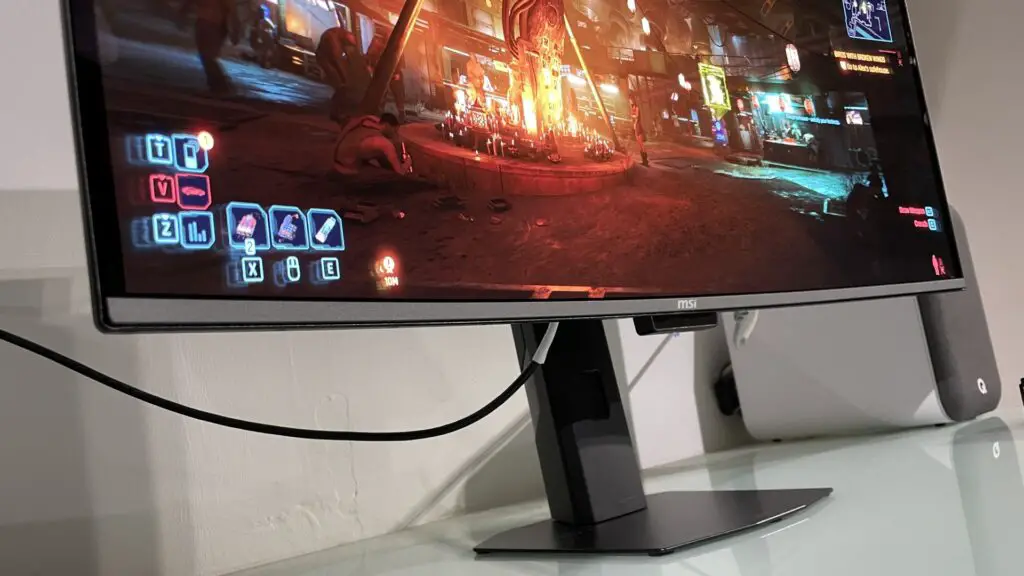
The Road Ahead for 2026
Looking ahead, the momentum shows no signs of stopping. Trendforce anticipates a 51% year-over-year increase in total shipments for 2026, fueled by a steady stream of new tech releases and more aggressive marketing strategies. If these projections hold, the market will exceed four million units next year.
For us at Digital Tech Explorer, this trajectory indicates that OLEDs are well on their way to comprising nearly 10% of the total annual desktop market volume. Whether you are a developer looking for perfect blacks or a gamer seeking near-instant response times, the future of your desk setup is looking brighter—and more vibrant—than ever.
About the Author: TechTalesLeo is a dynamic storyteller and tech enthusiast dedicated to bridging the gap between complex digital innovation and everyday usability.
Disclaimer: All content on Digital Tech Explorer is for informational and entertainment purposes only. We do not provide financial or legal advice. Some of the links on Digital Tech Explorer are affiliate links. This means we may earn a commission if you click through and make a purchase, at no additional cost to you. Our recommendations are based on thorough research and personal experience.