

Hunt: Showdown – The Devil’s Trail: How Crytek is Redefining the Extraction Shooter
At Digital Tech Explorer, we are dedicated to dissecting the latest shifts in software innovation and gaming mechanics. Today, our resident storyteller and tech analyst, TechTalesLeo, dives deep into the murky bayous of Hunt: Showdown to explore how developer Crytek is once again challenging the conventions of the extraction shooter genre.
While the extraction shooter genre is often defined by inventory management—think the “backpack” Tetris of gaming giants like Escape from Tarkov or the upcoming Marathon—Hunt: Showdown has always prioritized the heat of the firefight over the weight of a rucksack. There are no faction reputations to grind or complex merchant systems to navigate. Instead, the focus is razor-sharp: track the bounty, kill the boss, and survive the exit. It is a formula that balances high-stakes tension with strategic combat, and with the upcoming Devil’s Trail event, that formula is about to get much more complex.
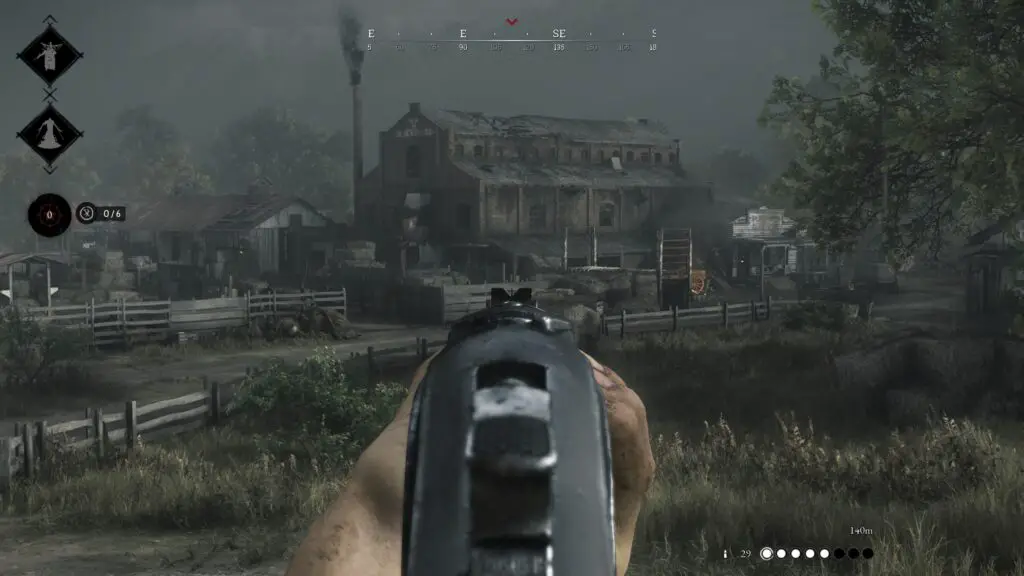
The Evolution of Hunt’s Formula
Crytek’s development philosophy relies heavily on experimentation. By utilizing limited-time events as testing grounds, they can introduce radical mechanics without permanently disrupting the core balance. A prime example is the Tarot Card system. Initially an experimental addition, these cards allow players to cast tactical spells, such as temporarily locking down extraction points. Because the community embraced the added layer of strategy, these “magical” elements have become a staple of the PC games experience in Hunt.
The Devil’s Trail: Embracing the Unknown
Starting March 18, The Devil’s Trail event introduces a daring new mechanic: Hidden Information. For the first time, players will load into a match with no knowledge of where the Supply Points or Extraction Points are located. This shift forces players to transition from predictable “rush” tactics to active reconnaissance.
| Feature | Description | Impact on Gameplay |
|---|---|---|
| Hidden Extractions | Extraction points are invisible on the map at the start of the mission. | Prevents early-game extraction camping and predictable exit routes. |
| Scout Towers | New points of interest containing interactive Scouting Maps. | Creates high-value objectives that players must fight over to gain intel. |
| Dynamic Revelation | Exits reveal upon banishing a boss, holding a token, or using specific Tarot cards. | Rewards players who engage with the primary objective rather than passive play. |
Strategic Impact: A New Late-Game Meta
As TechTalesLeo observes, this change fundamentally alters the “extraction” phase. Historically, once a bounty was claimed, the path to the nearest exit was a predictable sprint. Now, with extraction points hidden until the bounty is secured or a Scout Tower is reached, the trajectory of a match becomes volatile. Hunters must now rely on their knowledge of the terrain and environmental cues rather than just icons on a UI.
“The World Remembers”: Enhanced Passive Tracking
Beyond the map changes, Crytek is doubling down on the “Hunt” aspect of the game through a feature called The World Remembers. This system expands how players leave physical footprints in the environment. In a game where sound is everything, visual evidence is now catching up. This move toward greater environmental storytelling is a testament to Crytek’s innovation in AI and world-state persistence.
| Environmental Cue | Persistence Change |
|---|---|
| Consumables | Ammo Crates, Envelopes, and First Aid Kits remain open after use. |
| Structural Changes | Doors stay ajar; destroyed barrels leave permanent debris. |
| Biological Traces | Killed animals leave persistent corpses; Trait Spurs leave scorch marks. |
Final Thoughts from TechTalesLeo
These enhancements are poised to deepen the immersion of Hunt: Showdown, moving it further away from a standard shooter and closer to a tactical survival experience. By removing the safety net of map icons and emphasizing the physical trail left by players, Crytek is rewarding the “Keen-Eyed Hunter” over the “Fastest Twitch.” For those of us at Digital Tech Explorer, seeing a developer use technical innovation to enhance strategic depth is exactly the kind of progress we love to cover.
About the Author: TechTalesLeo is a dynamic storyteller and tech enthusiast who brings technology to life through captivating narratives. With a robust background in digital media, Leo focuses on bridging the gap between complex game mechanics and everyday usability.
Disclaimer: All content on Digital Tech Explorer is for informational and entertainment purposes only. We do not provide financial or legal advice. Some of the links on Digital Tech Explorer are affiliate links. This means we may earn a commission if you click through and make a purchase, at no additional cost to you.